Iconic TV show

Month: November 2025

The role of the local community store in The Waltons.

The Importance of the Local Community Store in The Waltons

The local community store on the classic television show The Waltons played a critical role in depicting the rural life of the early 20th century. It was much more than a simple retail establishment; it was a social hub and a vital part of the community’s everyday life.

The Setting of the Store

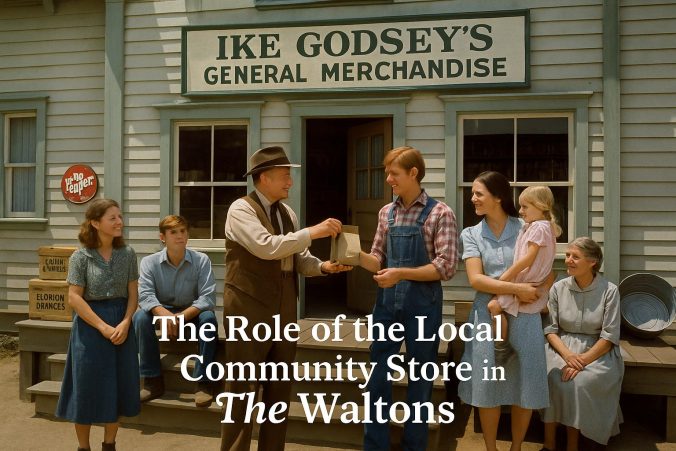
In the show, the community store was operated by Ike Godsey, a character who maintained a strong presence in both the commercial and personal lives of the Walton family and their neighbors. The store provided essential goods that families needed, from groceries to farming supplies, reflecting the multifaceted role these stores played in sustaining rural communities.

The store was physically located at a central point in the community, making it accessible for everyone in the area. This central location was essential in a time when transportation options were limited and people relied on proximity to fulfill their needs. The layout of the store, with its wooden shelves and counters filled with a variety of goods, represented the era’s typical general store setup. Ike Godsey, as the storekeeper, was not just a retailer but also a confidant and advisor for community members. His character exemplified the interconnectedness of small-town life, where personal and professional roles often intertwined.

A Social Gathering Place

Beyond its function as a retail outlet, the store functioned as a primary social gathering point for the Walton family and other locals. It was a place where residents caught up on news, discussed community issues, and shared personal stories. This role emphasized the store’s importance in fostering a sense of community and belonging.

The community store served as a venue for both planned and impromptu meetings. It was where community members would meet while running errands, often staying longer than necessary to engage in conversation. These interactions were essential for maintaining social ties and ensuring a support network within the town. Also, the store provided a space for after-hours community events and gatherings, further cementing its role as a communal focal point.

Economic and Cultural Significance

The community store also represented the economic and cultural exchanges that occurred within the community. Transactions and interactions at the store did not merely involve goods and currency; they were integral to the cultural fabric of the time, mirroring the challenges and triumphs of the era. The store’s ability to offer a variety of services, like credit or barter systems, also depicted the trust and relationships that underpinned community life.

The economic activities within the store reflected the adaptability and resilience of the community. During hard times, the store offered credit to families, demonstrating a reliance on mutual trust and extended community support. Barter systems were often employed, where individuals traded goods or services in exchange for items needed, circumventing the need for cash transactions. Cultural exchanges were prevalent as well, where stories and traditional practices were shared among community members, thus preserving cultural heritage.

Legacy in Modern Context

While the specifics of local community stores have evolved over time, the role exemplified in The Waltons still resonates today. Modern equivalents, like community centers or local markets, continue to serve as critical social and economic networks. The portrayal of Ike Godsey’s store reminds us of the enduring importance of local businesses in community cohesion and resilience.

The concept of a local hub has persisted even as society has become increasingly urbanized and digitalized. Today’s community centers, farmers’ markets, and local coffee shops serve similar purposes. They offer a space not just for economic transactions but also for social interactions and cultural exchanges, continuing the legacy of fostering community ties. They illustrate the importance of local businesses in enhancing the quality of life, providing personalized services, and ensuring the circulation of local culture.

The idea of supporting local businesses has taken on new significance in recent years, with movements emphasizing the benefits to local economies, sustainability, and building a more interconnected community. The resilience observed in modern local businesses mirrors the resilience depicted in The Waltons, as they adapt to changing circumstances while maintaining community-centered values.

In conclusion, the community store in The Waltons was much more than a simple retail establishment. It was a cornerstone of rural life that provided essential goods, facilitated cultural and economic exchanges, and played a fundamental role in fostering community spirit and resilience. Even as society changes, the essence of the community store remains relevant, reminding us of the timeless importance of local businesses in connecting people and nurturing strong, supportive communities.

For more information on The Waltons and its impact, you may visit this website.

How The Waltons captured the essence of a bygone era.

The Background of “The Waltons”

“The Waltons” was an American television series that aired from 1972 to 1981. The idea for the show was the brainchild of Earl Hamner Jr., a writer and producer who drew inspiration from his own life experiences during the Great Depression and World War II. The show was set in rural Virginia and followed the life of the Walton family, emphasizing a realistic yet enchanting portrayal of life during these historically significant periods. Through its engaging storytelling, “The Waltons” offered audiences an opportunity to reflect on an era defined by economic hardship and war, yet also characterized by enduring family ties and community spirit.

Depiction of Family Life

A central tenet of “The Waltons” was the depiction of family values and the bonds of community. The series managed to capture the essence of the 1930s and 1940s, a time when familial bonds and neighborly support were indispensable. Through the narrative, viewers were invited to witness a family, united in the truest sense, overcoming various adversities with determination and a spirit of togetherness. The show focused on how the Waltons navigated the challenges brought about by economic instability and wartime pressures through a reliance on each other and a deeply ingrained sense of community.

The dynamics within the Walton family provided a microcosm of the broader societal emphasis on family unity prevalent during this era. Each episode artfully illustrated how understanding, sacrifice, and a commitment to shared values could help a family navigate periods of uncertainty and hardship. In doing so, “The Waltons” became a weekly reminder for audiences of the power of familial love and the importance of community support, reflecting on what many saw as the timeless aspects of American life.

Authentic Set Design and Costuming

Attention to detail in set design and costuming was another hallmark of “The Waltons.” The production team worked meticulously to recreate the material culture of 1930s and 1940s America. This dedication to authenticity added depth and realism to the storytelling, allowing audiences to immerse themselves fully in the Walton family’s world.

The clothing, furniture, and everyday items used by the characters were carefully chosen to ensure historical accuracy. This included everything from the style of the characters’ attire to the design of the family home, contributing to the viewers’ experience of stepping back in time with each episode. In this way, the setting became a character in its own right, reflecting a world that was both specific to its historical context and universally relatable. The precision in set design and costuming was not just a visual treat; it was an important tool that helped “The Waltons” convey an authentic sense of time and place.

Historical Events and Social Issues

“The Waltons” was notable for its integration of historical events and social issues into the narrative framework. This approach provided a context that was as educational as it was entertaining. The show’s backdrop offered glimpses into the broader historical realities faced by individuals during these tumultuous periods.

Episodes frequently referenced key events such as the Great Depression’s economic challenges and the societal impacts of World War II. By weaving these elements into the day-to-day experiences of the Walton family, the series illustrated how global and national events touched the lives of ordinary people. This representation of history helped to humanize large-scale events, offering viewers insights into how such circumstances shaped individual lives and decisions, community responses, and the broader socio-cultural fabric of the time.

Impact and Legacy

The impact of “The Waltons” extends far beyond its role as a source of entertainment. The series has played a significant part in shaping the collective memory of American society, offering a lens through which viewers can gain a richer understanding of past eras. The show’s emphasis on family and community, combined with its faithful portrayal of historical events, has left a lasting impression on audiences both during its initial airing and through subsequent syndications.

“The Waltons” continues to inspire discussions around how television can serve as both a mirror and a shaper of cultural identity. Its strength lies in its ability to connect with the core human experiences of love, resilience, and perseverance amidst adversity. For this reason, the show’s legacy endures, sparking both nostalgia and scholarly interest in its storytelling approach and historical accuracy.

For those interested in delving further into the historical and production aspects of “The Waltons,” reputable sources such as PBS and The Television Academy offer valuable insights into the series’ continued cultural significance.

The influence of Earl Hamner Jr.’s narration in The Waltons.

The Role of Earl Hamner Jr.’s Narration in The Waltons

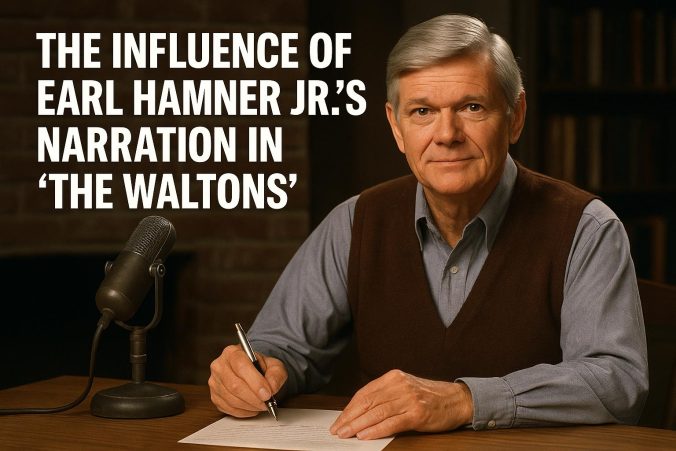
The television series The Waltons, which aired from 1972 to 1981, remains an iconic portrayal of life during the Great Depression and World War II from the perspective of a large family in rural Virginia. One of the defining elements of the series is the narration provided by Earl Hamner Jr., the creator of the show. His voice functions as a bridge between the past and the present, offering insights and reflections that add depth to each episode.

Earl Hamner Jr.: The Storyteller

Earl Hamner Jr., whose life experiences heavily influenced the series, narrates The Waltons as the voice of John-Boy Walton, the character based on Hamner himself. This autobiographical touch lends authenticity and a personal dimension to the stories. Hamner’s narration is not merely a device for exposition but enriches the viewing experience through its tone and delivery.

Born as the oldest of eight siblings in a family affected by the economic hardships of the time, Hamner’s early life in Virginia provided a fertile ground for storytelling. His experiences and reflections on family and community life are deeply etched into the narrative fabric of The Waltons. This personal history enabled him to craft stories that resonated with many people who had experienced similar trials and triumphs.

Hamner’s career began in media with writing scripts and teleplays before he went on to craft novels that would later inspire the series. His storytelling was shaped by his upbringing, allowing him to portray the nuances of rural American life during significant historical moments. His work on The Waltons can thus be seen as a continuation of his efforts to capture the spirit of his time, showcasing his deep understanding of the characters and the world they inhabit.

Enhancing the Narrative Arc

The narrative voice in The Waltons contributes significantly to the show’s storytelling. Hamner’s voice provides context and continuity, guiding viewers through complex emotional landscapes and connecting the dots between episodes. The reflective nature of the narration encourages audiences to ponder the challenges and triumphs faced by the Walton family, effectively weaving the episodic stories into a coherent whole.

Each episode of The Waltons tackles different storytelling elements, from individual character growth to overarching family struggles. Hamner’s narration often frames these stories, setting the scene at the beginning and offering closure at the episode’s end. This structure allows the audience to follow not only the plot but also the thematic evolution of the series, giving it a layered and complex narrative arc. The consistency provided by the narration reinforces the continuity of the Walton family saga, making every episode a chapter in a larger work.

Creating a Sense of Nostalgia

His calm and measured delivery, coupled with the wisdom conveyed, evokes a sense of nostalgia and timelessness. Hamner’s narration often frames episodes, opening and concluding with thoughtful observations that resonate with viewers. This narrative style invites the audience to reflect on universal themes such as family, community, and resilience.

Listeners are transported back to a time when life’s simpler pleasures were cherished, and community bonds were integral to survival. Hamner’s deliberate pacing and gentle tone serve to evoke memories and emotions from the viewers’ own experiences, encouraging them to ponder how these themes are relevant in their current lives. This connection to the past, through the lens of the Walton family’s experiences, provides a comforting and reflective viewing experience.

Personal Connection to Characters

The narrator’s voice also plays a crucial role in establishing a personal connection between the audience and the Walton family. By offering insights into the characters’ thoughts and emotions, the narration deepens the viewers’ understanding and empathy for their struggles and joys. Hamner’s unique perspective as the creator lends an additional layer of meaning to the storytelling, blurring the line between fiction and reality.

Through his narration, Hamner often reveals the inner workings of characters who might otherwise seem inscrutable. His ability to articulate the nuanced emotions of characters such as John-Boy, Olivia, and the grandparents brings them closer to the audience, allowing the viewers to see them as real people with genuine feelings. This insight is crucial in developing a deep empathetic connection, inviting audiences to invest emotionally in the characters’ journeys.

The Walton family represents a diversity of experiences, influenced by their generational differences, personal aspirations, and the challenges posed by their environment. Hamner’s narration lends each character a voice and a perspective that is unique yet intertwined with the family narrative. This portrayal ensures that audiences see the characters as multifaceted individuals, thus enhancing the storytelling experience.

Enduring Impact

The impact of Earl Hamner Jr.’s narration on The Waltons cannot be overstated. It not only enhances the show’s narrative richness but also preserves its legacy as a heartfelt portrayal of American life during challenging times. For more information about The Waltons and Earl Hamner Jr.’s career, you can explore related resources like Earl Hamner’s official website.

Hamner’s work has not only left an indelible mark on television history but also paved the way for future storytellers in exploring personal and historical narratives. His approach to storytelling in The Waltons has contributed to the genre by demonstrating the power of authentic, nuanced narrative voices. The enduring success of the show is a testament to Hamner’s genius in using narration as a tool to engage viewers on a personal and collective level.

The show’s legacy extends beyond its original run. It continues to resonate with new generations who find value in its depiction of themes that are timeless and universal. The Waltons, like its narrator, presents a piece of history that reminds viewers of the timeless importance of family, courage, and resilience in the face of adversity.

In conclusion, the narration by Earl Hamner Jr. in The Waltons serves as an essential component that binds the story, connecting past and present while fostering a sense of nostalgia and personal connection among its viewers. Through his thoughtful reflections and storytelling prowess, Hamner has created a series that stands as a significant cultural artifact, continuing to impact audiences long after its time on air. His role as a narrator is not merely an addition to the series but its backbone, providing depth and coherence to each storyline.

The relationship between John-Boy and his siblings.

The Relationship Between John-Boy and His Siblings

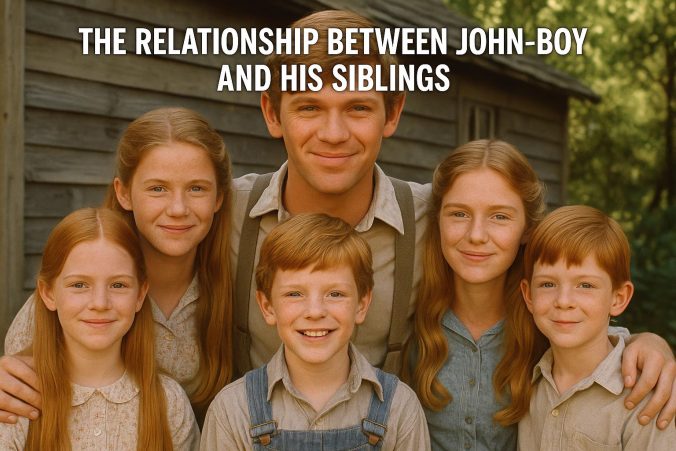
John-Boy Walton, the eldest son in the Walton family, plays a significant role in the dynamics of his family, especially with his siblings. His character is central to the family narrative and is often seen as a guiding figure for his younger brothers and sisters.

John-Boy as a Role Model

John-Boy’s influence on his siblings is evident throughout the series. As the eldest, he naturally assumes a leadership role, often serving as a mentor and protector. His passion for writing and education serves as an inspiration for his brothers and sisters, encouraging them to pursue their own aspirations. John-Boy’s dedication to his studies and his ambition to become a writer set a standard for the younger Waltons, who look up to him as they make their own life choices.

In detail, John-Boy’s commitment to self-improvement and his aspirations have had a cascading effect on his siblings. For instance, his younger brother Jason looks up to him not only as a brother but also as a figure to emulate. This influence extends beyond career aspirations to include values such as perseverance, integrity, and a sense of responsibility. By witnessing John-Boy’s efforts in overcoming obstacles and achieving his goals, the younger Waltons learn about resilience and determination, crucial qualities for their individual growth.

Supportive Relationships

The support John-Boy offers is reciprocated by his siblings, who often rally around him during times of crisis. For instance, when he faces challenges in pursuing his writing career, his siblings provide emotional and sometimes practical support, reinforcing the strong familial bonds that characterize the Walton family.

These supportive dynamics are often highlighted through specific instances, such as when John-Boy’s essay was rejected by a publisher, leading to a period of self-doubt. During such moments, his siblings offer words of encouragement or even engage in small acts of kindness to lift his spirits. This reciprocal support system not only strengthens their bond but also fosters an environment where each sibling feels valued and understood.

Rivalry and Resolution

Despite their generally harmonious relationship, there are instances of sibling rivalry, a common aspect of family life. Tensions may arise from differences in opinions or misunderstandings, but these are typically resolved through communication and compromise, reinforcing the family’s unity and the siblings’ affection for one another.

Such rivalries often play out in scenarios where each sibling vies for attention or when their interests clash, such as differing opinions on how to spend time or how to handle responsibility. These situations are frequently addressed through family discussions, where each sibling has the opportunity to express their perspective. John-Boy often plays the role of mediator, encouraging open dialogue that facilitates understanding and reconciliation, thereby reinforcing the bonds between them.

John-Boy’s Legacy

As the series progresses, John-Boy’s role within the family continues to evolve. His presence remains a pillar of family stability, and his achievements serve as a legacy that his siblings strive to uphold. The Walton family’s dynamics, with John-Boy at the center, exemplify the complexities of sibling relationships, blending challenges and triumphs in a uniquely compelling manner.

John-Boy’s legacy is not only about his achievements but also encompasses the values and principles he instills in his siblings. As they grow and pursue their own paths, the echoes of his influence can be seen in their decisions and interactions, embodying the familial spirit of perseverance and compassion. The younger Walton children often reminisce about John-Boy’s unwavering belief in doing what is right, even when faced with adversity, a legacy that persists long after he has left the family home.

The storyline captures the entailments of each sibling grappling with their identities while remaining rooted in the lessons they have learned from John-Boy. Their decisions in personal and professional realms are often reflective of the values he has championed, further amplifying his influence over the Walton family’s subsequent generations.

For further information about John-Boy’s role and his interactions within the Walton family, interested readers could explore resources related to the television series or books on the subject from authorized retailers or libraries, ensuring a well-rounded understanding of this fictional yet relatable family.

In summary, John-Boy Walton’s role in his family illustrates the profound impact an elder sibling can have in nurturing, guiding, and supporting younger family members. His influence transcends mere presence, embedding itself in the fabric of his siblings’ lives through shared experiences, values, and aspirations. While fiction, the Walton family’s portrayal remains a testament to the enduring nature of family bonds and the legacies that siblings can collectively build and uphold over time.