Iconic TV show

Month: January 2026

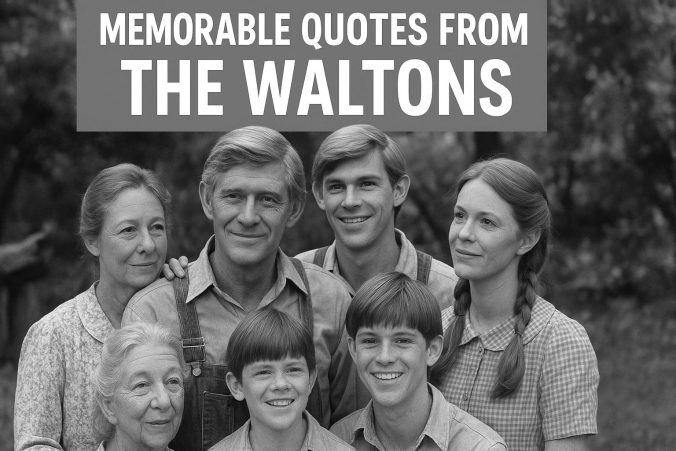
Memorable quotes from The Waltons.

Introduction to Memorable Quotes from The Waltons

“The Waltons” is a quintessential American television series originally broadcast from 1972 to 1981. Situated against the backdrop of the Great Depression and World War II, the series offers an insightful glimpse into the lives of a large and particularly close-knit family residing in the rural expanses of Virginia. Renowned for its memorable dialogues and impactful quotes, the series seamlessly blends wisdom, warmth, and occasionally, humor—a combination that quickly endeared it to audiences then and continues to captivate viewers today.

John Walton Sr.’s Wisdom

The patriarch of the series, John Walton Sr., plays a pivotal role in imparting wisdom that resonates deeply with both his family and the viewing audience. As a character, John carries a wealth of practical wisdom acquired through a life of hard work and challenges. His sayings often reflect a strong moral compass and a commitment to traditional values. One of his famous lines is: “There’s no shame in being poor. Only in being lazy.” This succinct statement embodies the series’ persistent theme of diligence and integrity, underscoring the societal respect for hard work during trying economic times.

John Walton Sr.’s advice extended beyond financial matters, often touching on themes central to family relationships and personal integrity. The character consistently addressed the importance of perseverance, accountability, and honesty. In an episode focused on economic hardship, he once remarked, “A person’s worth isn’t measured by the size of their bank account but by the size of their heart.” This served as a reminder to his family—and viewers—that although they might be economically disadvantaged, their true wealth lay in their moral and emotional strength.

Olivia Walton’s Nurturing Spirit

As the matriarch, Olivia Walton embodies the essence of nurturing and is integral to maintaining familial bonds. Her quotes often emphasize themes of love, unity, and resilience within the family. A notable example is her declaration: “A mother’s love isn’t divided among her children; it multiplies.” This powerful statement encapsulates her dedication and illustrates the inextricable bonds of a mother’s love.

Much like John, Olivia often shared insights on human relationships and individual growth. During challenging situations, she provided reassurance and direction. For example, when teaching her children the importance of empathy and understanding, she observed, “Listening is just as important as speaking; it shows you care enough to hear.” Olivia’s guidance served as the emotional bedrock of the family and reminded audiences of the importance of heartfelt communication.

Grandpa Zebulon Walton’s Wit

The character of Grandpa Zebulon Walton frequently introduced humor through his quick wit and perceptive remarks. His quotes typically blended humor with essential life lessons, offering both comedic relief and valuable insights. One memorable quip is: “It’s a wise man who knows which side of the bread is buttered.” While light-hearted, the adage underscores a deeper understanding of recognizing and appreciating one’s opportunities and privileges.

Beyond humor, Grandpa Zeb often illuminated the traditions and folklore of bygone eras, providing historical context to the family’s present challenges. His stories and sayings offered a link between past and present, reinforcing the importance of cultural legacy. He might say: “History isn’t what happened; it’s who tells the story and how they tell it.” In a storytelling tradition, such poignant reflections from Grandpa Zeb fostered appreciation for history and its lessons.

John-Boy Walton’s Aspirations

John-Boy Walton, the eldest son, serves as a vessel for conveying themes of ambition, self-discovery, and creativity. As an aspiring writer, his contemplations often reflect his journey toward understanding the complexities of personal growth and larger societal issues. A revered statement from John-Boy is: “You can’t own a mountain, any more than you can own a river or the air. You hold it in trust, from those who came before you, and for those who will follow.” This reflects an understanding of responsibility, stewardship, and environmental legacy, illustrating his profound contemplation of humanity’s place within the larger world.

With a keen sense of observation, John-Boy articulates the aspirations and struggles characteristic of transitioning from adolescence to adulthood. He often pondered the essence of dreams, courage, and hope, helping viewers navigate similar uncertainties in their own lives. In writing his first significant piece, he remarked, “Words are not just strings of letters; they carry the weight of dreams and the promise of change.” Such reflections by John-Boy offered an introspective layer to the narrative, demonstrating the transformative power of written expression.

Each character in “The Waltons” contributes uniquely to the tapestry of memorable quotes that have long resonated with audiences. This enduring aspect of the show has continued to engage viewers due to its ability to convey truths that are both simple and profound, transcending temporal boundaries. For further exploration into the characters and their insightful quotes from “The Waltons,” fans may delve into various fan websites that curate and archive comprehensive details about this beloved series. This lasting legacy perpetuates the series’ impact and ensures it remains a meaningful touchstone for generations past and present.

The impact of John Walton Sr.’s carpentry work on the family.

Introduction

The character of John Walton Sr., from the classic American television series “The Waltons,” serves as an emblematic figure representing the strength of family bonds, the significance of skilled labor, and the virtues needed to endure trying times. Not only is he celebrated as a devoted family man, but he also stands out for his expertise in carpentry. During the formidable era of the Great Depression, carpenter skills not only provided financial sustenance for John Walton Sr. and his family but also shaped the dynamics, unity, and values of the entire Walton household. This analysis delves into how his craftsmanship propelled economic stability, imparted significant values, and fostered an environment of family cohesion.

Economic Support

The role of John Walton Sr. as a carpenter was instrumental in securing economic stability for his family. During a period marked by economic instability and job scarcity, his capacity to produce and mend various furniture items proved invaluable. Carpentry, a skill honed over years, became his family’s financial backbone, ensuring that they could meet everyday needs, sustain their Walton’s Mountain homestead, and navigate through the era’s economic uncertainties. The income garnered from carpentry was particularly crucial during periods of poor harvests or when other income avenues became unreliable. Every crafted piece and repaired item not only added to the family’s income but also imbued a sense of autonomy, allowing them to circumvent some challenges posed by external economic pressures.

John’s work provided much-needed stability, ensuring that the family remained intact and that essential needs were met. His resourcefulness created modest yet consistent economic security that was absent in many households during that time, ultimately allowing the family to weather financial storms without losing sight of their core values and principles.

Skills and Values Transference

John Walton Sr.’s commitment to carpentry went beyond the tangible benefits of economic support. It was a potent vehicle for imparting core skills and moral values to his children. Through observation and active participation, his offspring absorbed the nuances of the craft, learning not only technical skills but also embracing virtues like pride in one’s work, a strong work ethic, integrity, and perseverance. These lessons were not mere teachings but were entrenched in everyday activities, forged in the process of creating with one’s hands.

His insistence on quality and precision taught his children the value of diligence and patience. The ability to transform raw materials into beautiful and functional objects underlined the importance of hard work and the satisfaction that comes from seeing a project through to completion. Furthermore, the ethical dimensions of his teachings cultivated in his children a sense of right and wrong that transcended their immediate context, reinforcing their understanding of personal and communal responsibilities. Through carpentry, John Walton Sr. provided his children with a blueprint for life, equipping them with the tools to face future challenges with resilience and moral clarity.

Family Cohesion

The carpentry shop of John Walton Sr. was more than a workplace; it was a vibrant center of family life where collective problem-solving, sharing, and planning took place. Daily interactions in this space went beyond the building of furniture; it was a fertile ground for nurturing unity and cohesion among family members. These collaborative experiences fostered an atmosphere where each member’s contribution was valued, enhancing their sense of belonging and mutual support.

Working together side by side with their father, the Walton children absorbed lessons on collaboration, realizing the power of combined efforts and shared responsibilities. These experiences instilled in them an understanding of family strength derived from unitary effort. The shop was a place where respect and teamwork blossomed, weaving the fabric of shared experiences and goals that strengthened the emotional ties among family members.

The lessons learned in that carpentry workshop reverberated in other areas of the family’s life, encouraging dialogue and cooperation in navigating the complexities of daily living. It became a grounding element that brought stability and predictability, even while external forces threatened equilibrium. The unity forged in these spaces ensured that the family remained resilient and connected through the inevitable ups and downs of life.

Conclusion

The legacy of John Walton Sr. as a skilled carpenter extends far beyond the economic contributions he made during the Great Depression. His craftsmanship was integral to the family’s financial security and played a pivotal role in teaching pivotal values, skills, and fostering an enduring sense of unity. His carpentry did more than shape wood; it shaped the lives of each family member, leaving a profound and lasting impact.

In the challenging context of the Great Depression, John Walton Sr.’s work exemplified adaptability, resilience, and the power of family unity. Through his example, John imparted a belief that through hard work and togetherness, families could withstand the most challenging circumstances. The narrative of John Walton Sr. on Walton’s Mountain serves as a timeless reminder of the importance of skilled work, moral integrity, and family cohesion.

For additional insights into the portrayal of family and work dynamics during the era of the Great Depression in “The Waltons,” further resources are available.