Iconic TV show

Month: May 2026

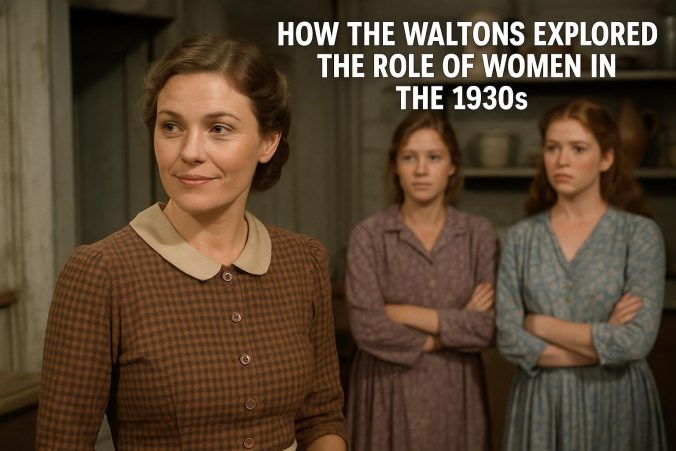
How The Waltons explored the role of women in the 1930s.

The Role of Women in the 1930s as Presented in The Waltons

The Waltons, a widely popular television series that aired from 1972 to 1981, is acclaimed for its realistic portrayal of life during the time of the Great Depression. Set in the rural setting of Virginia, the series is renowned for exploring a myriad of social dynamics that were prevalent during the 1930s, particularly focusing on the role of women. This article delves into how the series reflects the societal expectations and evolving roles of women during that era, shedding light on the myriad of challenges they faced and the transformations that occurred.

Traditional Gender Roles

During the 1930s, societal norms heavily dictated that women were to focus on domestic roles, emphasizing homemaking and the nurturing of their children. This cultural expectation is nuanced in The Waltons through characters like Olivia Walton, who is the family matriarch. Olivia’s life is enveloped around the management of the household, the care of her children, and the unwavering support she provides to her husband, John Walton, in his pursuits. Such depictions emphasize the limited professional opportunities available to women during the Depression, a period where economic hardships often reinforced traditional gender roles, compelling women to remain largely in the private sphere of the home.

Economic Challenges and Female Labor

Despite these societal expectations, the Great Depression brought about significant economic challenges that necessitated many women to seek employment beyond their traditional domestic roles. The Waltons does not shy away from portraying this harsh reality. While Olivia Walton remains primarily a figure within the home, the series presents other female characters, such as Miss Mamie Baldwin and Miss Emily Baldwin, who navigate outside norms to run the family-owned Baldwin sisters’ recipe distillery. By highlighting such characters, the show illustrates the crucial roles women played in the economy, particularly unmarried women who often took on responsibilities atypical of their gender due to economic pressures. Through these portrayals, The Waltons demonstrates the vital contributions women made to family finances and society, sometimes in unconventional or discrete ways during these challenging times.

Educational Aspirations and Barriers

The series further navigates the educational aspirations of women amidst prevailing societal norms through the character of Mary Ellen Walton. As the eldest daughter in the Walton family, Mary Ellen harbors ambitions that extend beyond traditional domestic expectations, with a keen aspiration to become a nurse. Her journey reflects the numerous challenges women faced in pursuing education and professional careers, including societal skepticism and limited professional opportunities. Despite these hurdles, The Waltons chronicles Mary Ellen’s tenacity and eventual success, embodying shifting attitudes towards women’s education and the acknowledgment of their potential to contribute significantly beyond conventional domestic boundaries.

Evolving Social Norms

As The Waltons progresses, it adeptly showcases the gradual evolution in women’s roles, mirroring the socio-economic shifts that were beginning to surface during the era. Characters such as Erin Walton, who manages to secure employment at J.D. Pickett’s defense plant, represent the burgeoning acceptance of women participating actively in the workforce. The series emphasizes how, despite initial societal resistance, the economic demands of the 1930s began to alter long-standing perceptions of women’s roles, paving the way for more profound transformations in the decades that followed.

Throughout the series, The Waltons provides a profound insight into the 1930s, encapsulating the ways in which women navigated and often challenged societal norms in response to the numerous economic and social pressures they faced. Through its diverse array of characters, the series captures the complexity of these societal transitions, offering viewers a nuanced and rich understanding of the era’s gender dynamics.

For audiences wishing to delve deeper into the intricacies of gender roles portrayed in television series that are set during historical periods, it would be beneficial to explore external resources specializing in the intersection of TV and film studies with social history. By doing so, one may gain a comprehensive perspective on how media reflects and contributes to our understanding of historical gender roles.
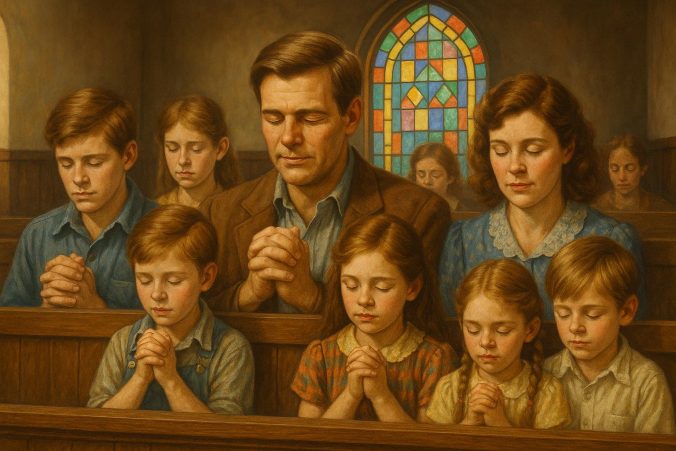
The significance of religion and church in Walton family life.

The Role of Religion and Church in the Walton Family

For generations, the Walton family has been depicted as a quintessential representation of American family life. One of the key aspects of their lifestyle is the integration of religion and church into their daily routines. This involvement with the church serves as a cornerstone around which much of their life is organized, offering them guidance, community, and moral support.

Cultural and Familial Tradition

Religion often serves as a cultural anchor that transcends generations within families. For the Waltons, their religious beliefs and church participation are not only personal expressions of faith but also traditional practices handed down through the family line. This continuity reinforces the bonds within the family, encouraging a sense of stability and shared values.

These traditions are more than just rituals; they are living legacies that embody the family’s history and identity. The ongoing practice of these traditions fosters an environment where members—especially the younger ones—grow up with a rich understanding of their roots. This awareness provides them with a strong sense of identity and a feeling of belonging, critical for emotional and psychological well-being. As members participate in religious practices, they also contribute to the preservation and evolution of the family’s cultural identity.

Weekly Church Attendance

Church attendance forms a regular part of the Walton family schedule. Their commitment to attending church services is indicative of the role it plays in their lives. It is not merely an obligation but a valued part of their routine that provides them a space for reflection, renewal, and community engagement.

By attending weekly services, the Waltons partake in a ritual that offers respite from their daily challenges. It serves as a moment for introspection and renewal of spiritual commitments. Additionally, the consistent nature of church attendance helps create a rhythm in the family’s life, providing a comforting structure. This regular engagement allows the family to remain grounded in their values while connecting with communal teachings that reinforce their beliefs.

Community Engagement

In small communities, such as those where the Walton family is rooted, the church often serves as a community hub. Participation in church activities allows the Waltons to interact with neighbors, exchange support, and stay informed about local events. This engagement fosters a strong social network, providing both practical assistance and emotional support.

The interactions that occur within the church setting extend beyond simply knowing neighbors; they evolve into relationships built on mutual support and shared experiences. Church involvement often means participating in events such as charity drives, community suppers, and holiday celebrations, all of which enhance social bonds. In essence, the church becomes an extension of the family, nurturing the social fabric of the community and offering a sense of collective identity and purpose.

Moral and Ethical Framework

Religious teachings and the ethos of the church help to shape the moral and ethical framework within which the Walton family operates. The values emphasized during services—such as compassion, honesty, and integrity—are often reflected in the family’s behavior and decision-making processes. This framework serves as a guide for both individual members and the family as a whole.

This moral compass not only influences everyday choices but also helps navigate more complex challenges and moral dilemmas. The values learned at church become central to personal and familial interactions, forming a basis for trust and mutual respect. Such a framework ensures that decisions are made with consideration for ethical standards that have been esteemed through generations. The teachings are not merely theoretical; they are practical guides that shape interactions and reinforce the family’s collective integrity and moral standing within their community.

Educational Influence

Religious education plays a significant role in the upbringing of children within the Walton family. Attending Sunday school and participating in religious events contribute to their overall education, offering lessons that are both spiritual and moral. This education aims to cultivate a well-rounded understanding of the world and imbues the younger members with principles that they carry into adulthood.

Religious teachings complement standard educational curricula by instilling virtues such as empathy, responsibility, and respect for others. These lessons are often intertwined with stories and parables that make complex moral concepts more relatable and understandable for children. Moreover, religious education encourages questioning, curiosity, and the development of a personal code of ethics, thus supporting the academic and personal growth of the family’s younger members as they mature into insightful and considerate adults.

Family Unity

Gathering for church services and religious celebrations offers the Walton family valuable opportunities for unity. These gatherings support family cohesion by allowing individual members to reconnect, share experiences, and uphold familial traditions. The shared expression of faith often acts as a binding agent, reinforcing the family unit.

These occasions offer a platform for intergenerational exchange, where wisdom and experiences are passed along, enhancing familial bonds and collective memory. In celebrating together, the family reaffirms their solidarity and cherishes the shared moments that contribute to their lasting connection. The rituals observed within these gatherings enhance the sense of continuity within the family, rendering shared history and belief a palpable and cherished reality.

Further Reading

For more information on family life and religious traditions in historical contexts, resources are available through local libraries and cultural heritage organizations. These can provide additional insights into the significance of religion and community in shaping family dynamics.

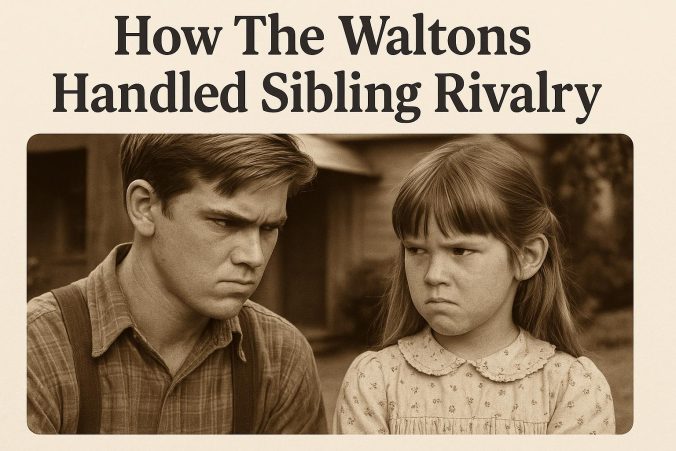
How The Waltons handled sibling rivalry.

Introduction

The television series The Waltons, which aired from 1972 to 1981, provided a dramatized portrayal of a large family living in rural Virginia during the Great Depression and World War II. One of the central themes explored in the series was sibling dynamics and rivalry among the Walton children. This focus on realistic family interactions allowed viewers to relate to the characters and learn from the way they handled both everyday situations and significant challenges.

Depictions of Rivalry

The Walton family was composed of seven children, each with their own distinct personality and influence on family dynamics. The show managed to create a tapestry of relationships that highlighted individual differences and collective unity. While the series often showcased the love and close bonds between the siblings, it didn’t shy away from addressing the conflicts that naturally arise in a large family setting. Sibling rivalry was a recurring theme, depicted with authenticity as each child sought their own identity and place within the family hierarchy.

Character Development and Relationships

The evolution of sibling relationships within the Walton family was a central element of the show’s character development. Throughout the series, certain episodes uniquely focused on tensions between siblings. For instance, John-Boy, as the eldest child, often took on several responsibilities that sometimes led to conflicts with his younger siblings. His role as a caretaker meant that he had to balance authority with kinship, a challenge that frequently manifested in disputes.

On the other hand, episodes featuring Mary Ellen highlighted her competitive spirit, especially when dealing with her brothers. Her personality often led to typical sibling disputes over attention and privileges, reflecting a natural and relatable aspect of growing up in a sibling-rich environment. The show portrayed these rivalries not as destructive forces but as developmental stages that each sibling navigated differently. The nuanced depiction allowed viewers to see how these interactions contributed significantly to the characters’ growth.

Resolution Tactics

Crucial to the series was how it offered insights into the Walton family’s approach to navigating and resolving sibling rivalry. While conflicts were inevitable, the resolution processes depicted were thoughtful and effective. A key tactic involved the role of parental guidance, primarily provided by the wise and steady presences of Olivia and John Walton. They often stepped in to mediate disputes, modeling a calm, understanding approach that valued fairness and empathy.

John and Olivia were instrumental in encouraging open communication among the children. By teaching conflict resolution skills and promoting perspectives that stressed understanding, the series underscored the importance of nurturing familial bonds over personal grievances. These tactics were portrayed as essential to maintaining peace and promoting personal development within the family structure. The focus on empathy and supportive dialogue acted as pillars for the Walton children’s personal growth and the overall cohesion of the family.

Conclusion

The Waltons remains an enduring study of family dynamics, with sibling rivalry serving as a vehicle to explore themes of personal growth and familial love. By depicting conflicts realistically and offering resolutions through communication and understanding, the series reinforced the importance of family unity during challenging times. Viewers of The Waltons were provided with a model for managing sibling relationships through respectful dialogue and emotional support.

The consistent emphasis on resolution and understanding allowed the series to present sibling rivalry as a constructive process rather than merely a source of friction. In doing so, it provided audiences not only with entertainment but also with lessons on the enduring value of family and the significance of resolving differences with care and love. The Walton family’s ability to navigate their internal conflicts with patience and empathy continues to resonate as a timeless example of healthy family dynamics.

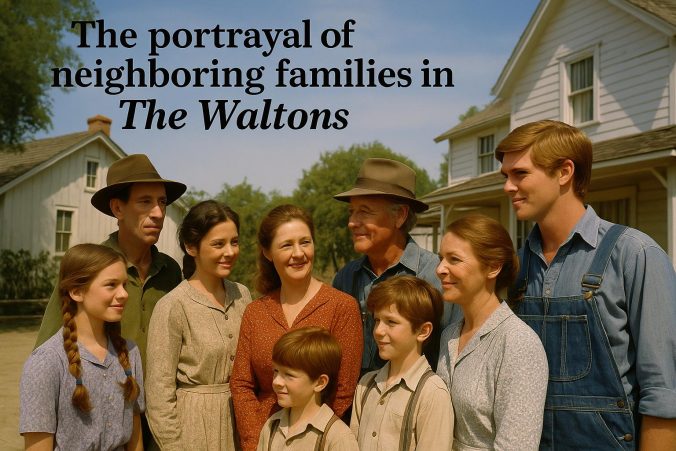
The portrayal of neighboring families in The Waltons.

The Waltons’ Neighboring Families: An Overview

The Waltons, a classic American television series that aired from 1972 to 1981, is praised for its heartwarming depiction of rural family life during the Great Depression. While the series centers on the Walton family, it occasionally shines a spotlight on their neighboring families, providing a broader view of the community they are part of.

The Baldwin Sisters

The Baldwin sisters, Miss Mamie and Miss Emily Baldwin, stand out as some of the most memorable neighbors of the Waltons. Residing in an impressive ancestral home, the sisters are characterized by their eccentricity, yet their kindness is undeniable. Among their more quirky traits is their tradition of making a special “recipe,” a clandestine family concoction passed down from their father, which suggests an intriguing nod to the Prohibition era without expressly stating its true nature. Despite being at the heart of comedic events, the sisters command respect in the Walton’s Mountain community. Their presence in the series often underscores the recurring themes of community compassion and mutual aid, and their home often becomes a sanctuary for gathering and sharing.

The Godsey Family

The Godsey family, consisting of Ike Godsey and his wife Corabeth, plays a significant role in the Walton’s Mountain area through their ownership of the general store. Ike is portrayed as an affable and fair-minded individual, frequently involved in many community activities thanks to his role as the store owner. His wife, Corabeth, introduces an element of sophistication and sometimes an air of pretension to the dynamic duo, dreaming of a more refined lifestyle. Despite occasional discord between them due to their contrasting personalities, Ike and Corabeth Godsey form a crucial part of the microcosm within the rural setting. The store becomes a hub where community members, including the Waltons, exchange news and support one another, illustrating the interconnectedness imperative for surviving and thriving in those difficult times.

The Spencer Family

While the Spencer family might not be as frequently depicted as the Baldwins or the Godseys, their presence is no less significant. Their interactions with the Waltons are emblematic of collaboration and shared adversity. During the challenging times of the Great Depression, the Spencers, much like the Waltons, exhibit resilience and determination in striving to sustain their livelihoods. Though they do not always take center stage, their story provides a mirror to the Waltons’ own journey of navigating through trials with dignity and perseverance. This subtle parallel draws viewers into a broader narrative of shared hardship and triumph.

Community Dynamics

In examining the neighboring families portrayed in The Waltons, a nuanced view of the dynamics at play within Walton’s Mountain emerges. Each family, with their unique traits and roles, enriches the fabric of the rural community. The Baldwins, Godseys, and Spencers become representative of various facets of rural life, enhancing the authenticity and depth of the series. Relationships among families spotlight the essence of community solidarity, particularly during financially trying periods. This dynamic is underlined by mutual reliance and the tolerance and strength derived from strong neighborly relationships. As hardships abound, it is through these connections that the community’s true spirit is unveiled.

The Importance of Neighborly Bonds

The portrayal of these familias in The Waltons extends beyond mere characterization. It delves into the essence of surviving and prospering in a tightly-knit rural environment. The recurring theme of interdependence suggests that survival in such an environment is not solely about individual or familial strength, but largely about the cooperative essence of the community. This theme is reflected in numerous interactions across episodes where disputes are resolved, joys shared, and burdens collectively borne by the Waltons and their neighbors.

Inter-generational Dynamics

Inter-generational influence and respect within the community is another aspect nicely depicted through the neighboring families. The elders, represented by figures such as the Baldwin sisters, embody wisdom and tradition, thus linking the past with the more modern aspirations of the younger generations like those expressed by Corabeth. This continuity ensures that despite changes and challenges, the core values and spirit remain constant, offering a foundation upon which the community builds and adapts.

Conclusion

Overall, the neighboring familias in The Waltons serve to enrich the narrative, adding layers of complexity and authenticity to the series. Through their interactions with the Walton family, the show captures the essence of communal life during a challenging historical era. The portrayal of these familias reflects both the diversity and unity found in small communities, contributing to the enduring charm of the series. The themes explored through these interactions remain timeless, echoing the importance of community support in today’s world just as they did during the Great Depression era. Through its depiction of neighborly bonds, The Waltons leaves an impactful legacy, highlighting the significance of shared experiences and collective resilience.