Iconic TV show

Month: March 2026

How The Waltons showcased the power of resilience.

Introduction to The Waltons: A Tale of Resilience

The NBC television series, The Waltons, offers a compelling portrayal of resilience between 1972 and 1981. With its setting in rural Virginia during the Great Depression and World War II, the show illustrates how the Walton family managed to endure hardships while maintaining their core values. In its essence, the series delves into how an ordinary family navigates extraordinary times, leaving a significant impact on its viewers through its timeless themes and relatable characters.

The Pillars of Resilience in The Waltons

Family Unity
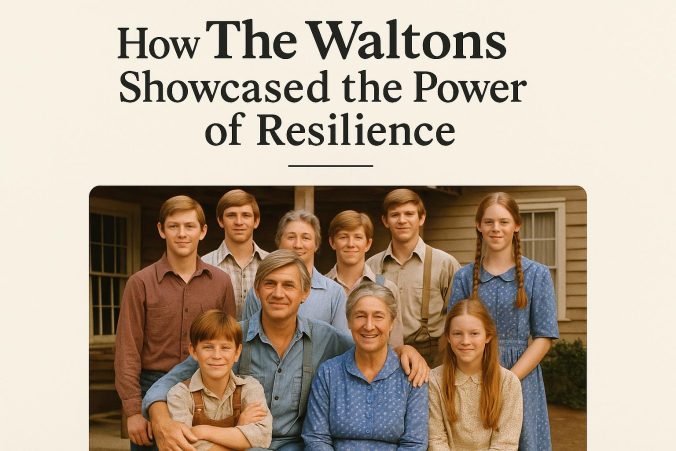
The foundation of the Waltons’ resilience is their unyielding family unity. Despite facing numerous challenges, such as financial difficulties and personal losses, the family remains tightly knit. The characters demonstrate time and again how they come together to solve problems and support one another through life’s tumultuous moments. **John Walton Sr.** and **Olivia Walton** serve as the pillars of the family, guiding with wisdom and compassion. Their decision-making often reflects a shared purpose, reinforcing the theme of a united front.

Adaptability
The Walton family showcases adaptability as a crucial component of resilience. They adjust to changing circumstances, whether adapting to new forms of agriculture to sustain their livelihood or re-evaluating personal goals in light of external pressures. This flexibility enables them to thrive despite adversity. The family’s farm becomes a testament to their adaptability, with each member taking part in diversifying its operations to meet the family’s needs. Adjustments are made not only to survive but in some cases, to improve their way of life during challenging times.

Perseverance
Another key aspect of resilience depicted in The Waltons is perseverance. The show frequently illustrates how enduring hardships with determination and resolve can lead to eventual success. Each family member contributes to the collective effort of overcoming obstacles, whether it be economic instability or societal changes. Enkel upshots of perseverance are found in every episode, such as **John-Boy Walton’s** dedication to his writing career, despite numerous setbacks. His tenacity showcases the pursuit of one’s dreams, even amid daunting challenges.

Real-Life Lessons from The Waltons

The series not only entertained viewers but also imparted important life lessons about resilience. By observing the Walton family’s capacity to maintain relationships and pursue goals despite various setbacks, audiences could draw parallels to their own lives. These narratives injected inspiration into the living rooms of many viewers, allowing them to reflect on their personal and familial relationships. The show’s depiction of resilience serves as a reminder of the human capacity to overcome challenges through solidarity, innovation, and unwavering commitment. Children, teenagers, and adults could each find something relatable in the family dynamics portrayed, highlighting the show’s broad appeal.

Influence on Contemporary Culture

The significance of The Waltons extends beyond its original broadcast. Contemporary audiences and creators continue to reference its themes of resilience and familial strength. The idea of community and the central role of family in navigating life’s hurdles have been echoed in various modern narratives, including television series and films. These stories resonate universally, serving as blueprints for understanding our capabilities in the face of life’s adversities. The Waltons’ story resonates as it reflects universal struggles and triumphs, making its lessons timeless. For more context on the series and its impact, further reading can be found through dedicated articles appropriate for further understanding.

In modern media, themes experienced by the Waltons can be seen in family-oriented narratives that focus on interpersonal relationships amid adversity. The strength portrayed within a family or community often parallels the structure of the Waltons, suggesting a cultural template that many creators adhere to when developing content focused on resilience.

Conclusion

The Waltons offers an insightful exploration of resilience through its portrayal of a family’s ability to overcome adversity. By focusing on themes such as unity, adaptability, and perseverance, the show not only provided entertainment but offered valuable insights into the enduring nature of the human spirit. Its multi-faceted approach to depicting life’s challenges allows for a deeper understanding of resilience, cultivating a sense of hope and endurance.

These lessons remain relevant, inspiring both past and present generations to embrace resilience in their own lives. Indeed, the series stands as an encouraging reminder of our collective capabilities to withstand and grow from our trials. As viewers, young and old, continue to engage less with the medium of network television and more with on-demand content, the potential revival or adaptation of its storyline could offer fresh takes on universal themes in modern contexts. While the medium of storytelling may vary, the foundational lessons of The Waltons will undoubtedly endure, continuing to inspire the resilience of many generations to come.
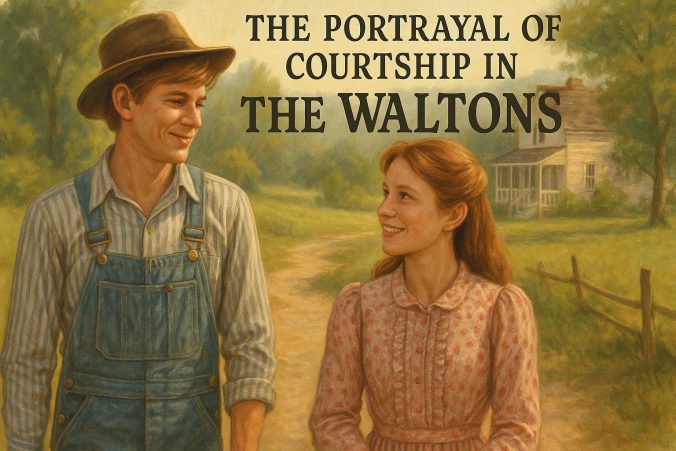
The portrayal of courtship in The Waltons.

The Portrayal of Courtship in “The Waltons”

“The Waltons,” a television series that aired from 1972 to 1981, offers a thoughtful depiction of family life, particularly focusing on the theme of courtship. Set against the backdrop of rural Virginia during the Great Depression and World War II, the show centers on the Walton family and illustrates courtship practices that are reflective of its historical context.

Courtship Traditions

The series delves into traditional courtship practices common in 1930s and 1940s America. Such practices involved formal courting, where prospective couples engaged in activities under supervision, often within the familial setting. This portrayal underscores the importance of family involvement and approval in courtship during that era. Themes of reputation, modesty, and respect are frequently portrayed as integral to the relationships depicted throughout the series. These elements were not simply social norms but essential qualities influencing courtship during this time period.

Throughout the series, there is a consistent emphasis on family values in courtship. Activities such as family dinners, community gatherings, and church events are prominent, showcasing how community and familial connections played a vital role in relationship development. The show presents these interactions as opportunities for building bonds, understanding prospective partners, and gaining parental insights, thus stressing that courtship was as much about joining families as it was about a personal relationship.

Key Characters and their Courtship Journeys

One of the key characters shedding light on these traditional practices is John-Boy Walton, the eldest son of the Walton family. His journey through various relationships is characterized by introspection and care, resonating with the slow and meaningful evolution of romantic relationships typical of the time. Unlike the hasty encounters seen in modern narratives, John-Boy’s romances develop over time with significant emphasis on compatibility, shared values, and future aspirations.

John-Boy’s encounters bring to light the shift towards a more emotional connection in relationships. His courtship stories often involve mutual respect, shared dreams, and intellectual compatibility, reflecting broader cultural shifts towards personal fulfillment in romantic engagements. Through his experiences, the series comments on the evolving nature of courtship and its reflections of changing societal expectations.

Meanwhile, Mary Ellen Walton, another central character, navigates her transition from childhood to adulthood through several courtship experiences. Her story arc provides insight into the evolving roles available to women during the period. Through her relationships and personal ambitions, the audience observes a growing tension between traditional female roles focused on marriage and homemaking and emerging possibilities of career-oriented aspirations. Mary Ellen’s experiences mirror wider societal transformations and the quest for autonomy faced by many women of that era.

The Impact of External Events on Courtship

The historical events of the Great Depression and World War II are more than mere background settings in “The Waltons”—they serve as catalysts shaping the characters’ courtship narratives. Economic hardships restrict opportunities for lavish dates or weddings, emphasizing simpler, more meaningful interactions. There’s a prevailing theme of resourcefulness, where courtship can mean enjoyable, cost-free activities such as picnics, walks, or joint family projects.

The looming uncertainty of the war era adds another layer, as separation due to conscription becomes an ever-present reality. Wartime letters and long-distance communication add depth to romantic connections, showing the audience the resiliency needed to maintain relationships when faced with separation. This aspect of the series addresses not only the personal toll but also broader themes of sacrifice and patience that defined relationships during wartime.

At the same time, the series depicts how external pressures draw families closer, reinforcing community bonds and mutual support. Romantic relationships are shown as part of a larger fabric of social interconnectedness that provides emotional sustenance during difficult times. The narratives emphasize reliance on shared values and collective endurance, highlighting the interconnectedness of personal courtship journeys with larger community dynamics.

Conclusion

“The Waltons” provides a rich narrative that captures the essence of courtship practices intertwined with familial obligations, historical context, and societal values. While rooted in the norms of the 1930s and 1940s, the series transcends its era by exploring universal themes of love, respect, and community involvement. Through its portrayal of family-involved, respectful courtship, it delivers both historical insights and reflections on personal growth and social change. Although the series presents a historical picture, many of its themes remain relevant, prompting viewers to consider how relationships have evolved over time while some fundamental values endure. Those curious about the complete stories can explore the series further through available streaming platforms and media libraries, allowing them to appreciate the timeless storytelling captured within this classic television narrative.

The significance of letter writing in The Waltons.

The Role of Letter Writing in “The Waltons”

“The Waltons,” a popular television series that aired from 1972 to 1981, offers viewers a compelling exploration of the lives of a rural Virginia family during the challenging eras of the Great Depression and World War II. While numerous themes and storytelling techniques contribute to its narrative richness, the theme of letter writing stands out for its significant role. Within the show, letter writing functions not only as a means of communication but also as a tool for emotional expression and as a crucial component of historical record keeping.

Communication Across Distances

In the era depicted by “The Waltons,” letter writing emerges as a primary form of communication, especially relevant for families situated in rural areas where technological advancements like telephones had not yet become commonplace. The show poignantly highlights the role of letters in maintaining the bonds of connection across physical separations. For example, letters exchanged during World War II offered families precious updates and reassurance from soldiers at the front lines. This exchange of information captures the historical context of the time, where letters served not just as communication tools but also as lifelines, keeping relationships intact despite vast distances. The show presents the contents of these letters with authenticity, focusing on the emotional and factual updates that brought comfort and joy to families awaiting news from their loved ones.

Emotional Expression and Reflection

Within “The Waltons,” the act of writing letters assumes a deeper, more personal dimension, serving as a medium for emotional expression and personal reflection. The characters utilize this form of communication to articulate emotions and thoughts that might be difficult to convey verbally. This aspect of letter writing allows for a considered and reflective mode of communication, which in turn facilitates more meaningful exchanges. As we observe characters engaged in the introspective act of crafting letters, we see how this practice acts both therapeutically and expressively. It provides them with an opportunity to process feelings and articulate them in a coherent manner, offering deeper insight into their personal struggles and emotional journeys. By including scenes of letter writing, “The Waltons” emphasizes the reflective and cathartic nature of this practice, highlighting its capacity to create moments of truth and vulnerability among its characters.

Preservation of Family History

In “The Waltons,” letters transcend their immediate purpose to become vital records of personal and familial history, capturing the essence of everyday life and significant milestones experienced by the Walton family. As these letters accumulate, they function as artifacts offering a window into the past, encompassing memories and experiences that can be passed down to future generations. The series thoughtfully illustrates how writing serves as a means of chronicling family legacies, reinforcing its role in preserving heritage and providing a tangible connection to history. The portrayal of letters as tangible documents emphasizes their durability and enduring significance, contrasting with the ephemeral nature of spoken words. By weaving letter writing into its narrative fabric, “The Waltons” underscores the importance of written documentation as an enduring means of connecting with one’s ancestry and understanding one’s place within a broader continuum.

Conclusion

In conclusion, the theme of letter writing in “The Waltons” encompasses a variety of functions and deeper meanings that extend beyond mere communication. It serves as a bridge linking individuals across geographical and temporal distances, enabling emotional expression and personal reflection. Additionally, it plays an invaluable role in preserving family history, anchoring the characters to their past and providing a sense of continuity. These components collectively enhance the show’s narrative depth, offering audiences an authentic depiction of life during a transformative period in American history. Through the lens of letter writing, “The Waltons” provides not only a historical snapshot but also timeless insights into human connections and the enduring power of the written word.

How The Waltons depicted patriotism during wartime.

The Waltons’ Representation of Patriotism During Wartime

The Waltons, a well-loved television series from the 1970s, presents a detailed and immersive portrayal of life in rural America during the difficult years of the Great Depression and World War II. Through its diverse characters and gripping narratives, the show delves into various expressions of patriotism as experienced by the Walton family and their surrounding community on Walton’s Mountain.

Contextual Setting

The series vividly captures the essence of life in Virginia’s Blue Ridge Mountains, with a particular focus on the Walton family. As the timeline of the series transitions from the economic despair of the Great Depression to the challenging years of World War II, the show’s storylines poignantly explore the community’s responses to these national crises. This historical setting provides a rich tapestry for examining patriotism, as seen through both personal commitments and collective efforts.

Patriotism Through Duty and Service

Throughout the wartime episodes, the visible dedication of the Walton family members, such as John-Boy’s enlistment in military service, reflects a core expression of patriotism. The act of serving the country in the military exemplifies the deep-rooted sense of duty that was prevalent during that era. Upholding the nation’s values through personal sacrifice was perceived as essential, and this theme resonates strongly in the series. The impact of war on the Walton family’s decisions illustrates a broader national sentiment, highlighting how individual contributions were integral to the collective war effort.

Community and Sacrifice

The Waltons also captures the spirit of patriotism through the lens of communal response to the war effort’s demands. The tight-knit community on Walton’s Mountain is portrayed as one that comes together, pooling resources and providing support to the families of those serving overseas. Many characters are depicted participating in activities such as war bond drives and volunteer services, embodying a spirit of shared sacrifice and dedication. This collective action underscored the community’s unwavering support for the troops and their families, reflecting a profound sense of unity and responsibility.

Symbols and Ideology

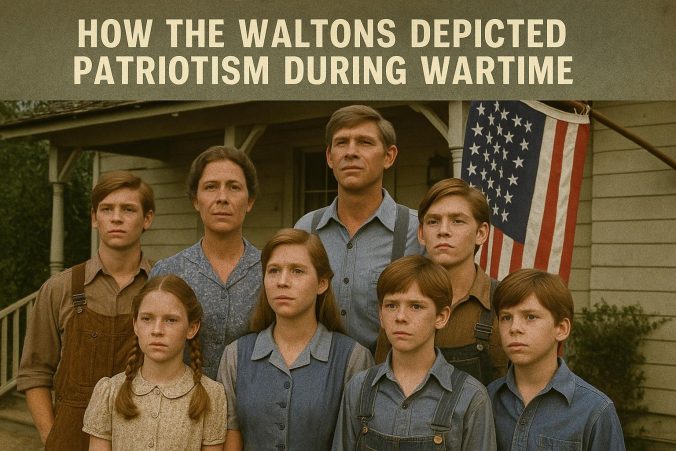
Another significant aspect of patriotism explored in the show arises from its use of symbols and ideological discourse. National emblems like the American flag frequently appear throughout the episodes, serving as powerful reminders of national pride and respect. Additionally, characters within the show often engage in thoughtful discussions about fundamental principles like freedom and democracy. These dialogues highlight the ideological dimensions of patriotism, enhancing the characters’ and, by extension, the audience’s emotional and intellectual connection to the country’s ideals during wartime.

Resilience and Endurance

Finally, The Waltons offers a portrayal of patriotism through the themes of resilience and endurance. As the family navigates through the scarcities and uncertainties brought about by the war, their tenacity becomes a silent yet potent act of loyalty to the American way of life. The family’s perseverance in the face of hardship is portrayed less as mere survival and more as a testament to the enduring values that define patriotism. This form of understated patriotism, emphasized through the family’s ongoing dedication and strength, speaks volumes about the everyday heroism of maintaining one’s dignity and principles amidst trials.

Exploring Thematic Depth

The show’s depiction of these varying facets of patriotism offers viewers a nuanced understanding of how ordinary Americans navigated their relationship with their nation during significant historical events. It portrays not only how individuals played roles in larger national narratives but also how the collective actions of communities upheld national morale and ideals.

Interpersonal Dynamics

The interpersonal dynamics within the Walton family further illustrate the intimate experiences of patriotism. Conversations and conflicts within the family reflect broader national issues and values. For instance, family discussions often revolve around differing views on the war, reflecting how national debates were microcosmically mirrored in American households. These dialogues exemplify the complexity of patriotism, where duty to country may conflict with personal beliefs and desires.

Impacts of Wartime on Rural Life

Moreover, the impact of World War II on rural life, as depicted through the series, offers a unique perspective on patriotism. Unlike urban centers, rural communities had different resources and challenges, which influenced their wartime contributions. The Waltons highlights these differences by showcasing how the family adapted to changes, such as rationing and resource shortages, and how these adaptations were driven by the greater cause of national solidarity and support.

Further Reflections

Through its detailed storytelling and character development, The Waltons provides a multifaceted picture of patriotism. For those interested in delving deeper into this topic, exploring official resources, media archives, or cultural analyses can offer additional insights into how popular culture has historically mirrored societal values and overcame challenges during times of war. The series not only acts as a piece of entertainment but also serves as a historical reflection, offering timeless lessons on communal strength and individual resilience during periods of national turmoil.

The impact of the Dust Bowl on the Walton family.

The Dust Bowl: A Historical Context

During the 1930s, the Dust Bowl was an environmental disaster that profoundly impacted the American Midwest. It was characterized by severe dust storms resulting from drought and poor agricultural practices. The effects were widespread, causing significant economic hardship and displacing thousands of families.

The Walton Family: Affected by the Dust Bowl

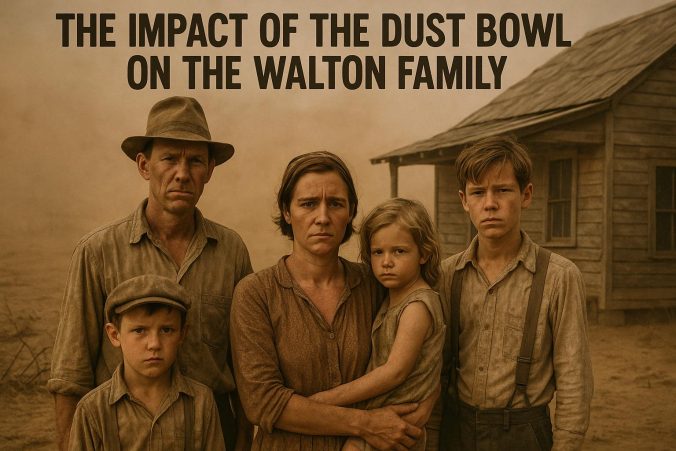
The Walton family, like many others during this period, faced significant challenges due to the Dust Bowl. They lived in the impacted region and relied heavily on agriculture for their livelihood. The adverse environmental conditions and economic distress forced many such families to reconsider their futures.

Economic Hardships

Loss of Crops: The Waltons, primarily dependent on farming, experienced substantial crop failures over successive years. The dust storms rendered large swaths of farmland unusable, diminishing yields and, consequently, their income.

Increased Debt: To cope with the loss of income, the Walton family, like others, took out loans to sustain their living and farming operations. However, the persistence of the Dust Bowl conditions made it increasingly difficult to repay these debts, creating a cycle of financial instability.

Migration and Relocation

Faced with diminishing prospects in the Midwest, many families, including the Waltons, were compelled to migrate in search of better opportunities. Some moved to urban centers, while others headed westward to states like California, hoping for employment in burgeoning industries.

Social Implications and Legacy

The socio-economic effects of the Dust Bowl on the Walton family extended beyond financial distress. The experience instilled a resilience that would shape their decisions in subsequent years as they adapted to a changing environment.

These challenges set the stage for future generations, influencing how they managed land and resources. The lessons learned during the Dust Bowl became part of the narrative for entire communities, emphasizing the necessity for sustainable agricultural practices and the importance of environmental conservation to combat similar crises in the future.

Understanding the Causes of the Dust Bowl

The formation of the Dust Bowl was the result of a combination of weather patterns and human actions over a long period. While droughts are natural occurrences, the impact thereof was amplified by agricultural practices that were not sustainable or considerate of the local ecosystem’s limitations.

Environmental Factors

The environmental aspect of the Dust Bowl emanated from extended periods of drought that occured in the Midwest. The semi-arid climate of the Great Plains made the region especially susceptible to such dry spells. When the rains stopped, the condition of the soil quickly deteriorated. The lack of moisture made the soil loose, and it became highly vulnerable to erosion by wind.

Agricultural Practices

Prior to the 1930s, the Great Plains was subjected to aggressive farming techniques. Fields were plowed extensively without considering the potential consequences on soil health. Large portions of native grassland were converted into farmland, exposing fragile topsoil to potential damage. With the grass removed, the soil lacked the natural protection that prevented it from being easily eroded.

Government Policies

The American government at the time encouraged settlement and farming in the Great Plains, inadvertently accelerating the calamity that would be known as the Dust Bowl. Without proper knowledge of or experience with the region’s unique environment, farmers were incentivized to keep expanding their agricultural activities, often exploiting the soil beyond its capacity.

Technological Limitations

The technology available to the farmers during the pre-dust bowl era was not advanced enough to predict climate patterns accurately or develop informed agricultural methods. As such, technological limitations also played a role in the mismanagement of land resources leading up to the Dust Bowl.

The Widespread Impact of the Dust Bowl

The ramifications of the Dust Bowl were extensive, crossing social, economic, and environmental boundaries. It not only affected those living in the immediate area but had repercussions on a national scale as well.

Economic Impact

In the aftermath of the Dust Bowl, the economic downfall was immediate and severe. Agricultural production declined sharply, leading to a national food shortage. The inability to produce crops decimated farmers’ incomes and by extension, had a cascading effect on the entire economy.

Demographic Shifts

With farms becoming unviable, population movements were inevitable. Mass maritime-like migrations to uninvolved regions, especially the West, were common. Families left behind farmland in hopes of gaining stability elsewhere, reshaping demographic landscapes in both their departure and arrival areas.

Cultural Developments

The ordeal of the Dust Bowl wouldn’t go unnoticed in culture and media. It inspired numerous works of art and literature that captured the challenges of the era. The struggle and resilience during this ordeal became embedded in cultural history, influencing both art and an understanding of human tenacity in the face of adversity.

Policy and Reform

The Dust Bowl starkly highlighted the need for better land management and environmental policies. As a result, set guiding principles were established for future agricultural practices. New Deal programs initiated by President Franklin D. Roosevelt prompted efforts to restore the Dust Bowl region and prevent such catastrophes from occurring again. Programs focused on soil conservation, afforestation, and sustainable farming were initiated to guide future policy development.

For a deeper understanding of how the Dust Bowl changed environmental policy in America, you might look into official records and archived government reports available from national repositories.

The Long-term Legacy of the Dust Bowl

The enduring legacy of the Dust Bowl reaches beyond immediate crises or resolutions, influencing environmental and social consciousness throughout the United States.

Shift in Agricultural Practices

The Dust Bowl served as a urgent call for reconsidering agricultural techniques. It raised awareness around sustainable farming, emphasizing the necessity of crop rotation, cover cropping, no-till farming, and other practices that prioritize maintaining soil health. This bred a mindset of sustainability in farming techniques that continues today.

Impact on Environmental Conservation

A heightened awareness of environmental preservation can be attributed to the lessons learned from the Dust Bowl. Since then, there’s been a stronger push towards conserving natural resources, understanding ecological limits, and integrating environmental considerations into developmental plans.

Resilience in Agricultural Communities

Many families, like the Waltons, were left with no choice but to adapt or relocate. This created a tapestry of stories about resilience as communities banded together to face unprecedented challenges. These narratives reinforced the value of communal aid and shared experience, spawning a collective spirit that still influences communities today.

Educational Importance

The Dust Bowl serves as an essential case study in environmental science, economics, and history curricula. Its story teaches the ramifications of unchecked human activity on natural resources and highlights adaptive strategies in crisis management. This historical episode continues to provide valuable lessons for current and future generations.

The impact of the Dust Bowl extends beyond statistics or map boundaries; it’s woven into the fabric of American history. Exploring its legacy through different lenses helps in understanding not only past adversities but also how resilience and reform can lead to sustainable futures.