Introduction
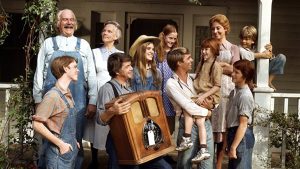
The television series The Waltons, which aired from 1972 to 1981, provided a dramatized portrayal of a large family living in rural Virginia during the Great Depression and World War II. One of the central themes explored in the series was sibling dynamics and rivalry among the Walton children. This focus on realistic family interactions allowed viewers to relate to the characters and learn from the way they handled both everyday situations and significant challenges.
Depictions of Rivalry
The Walton family was composed of seven children, each with their own distinct personality and influence on family dynamics. The show managed to create a tapestry of relationships that highlighted individual differences and collective unity. While the series often showcased the love and close bonds between the siblings, it didn’t shy away from addressing the conflicts that naturally arise in a large family setting. Sibling rivalry was a recurring theme, depicted with authenticity as each child sought their own identity and place within the family hierarchy.
Character Development and Relationships
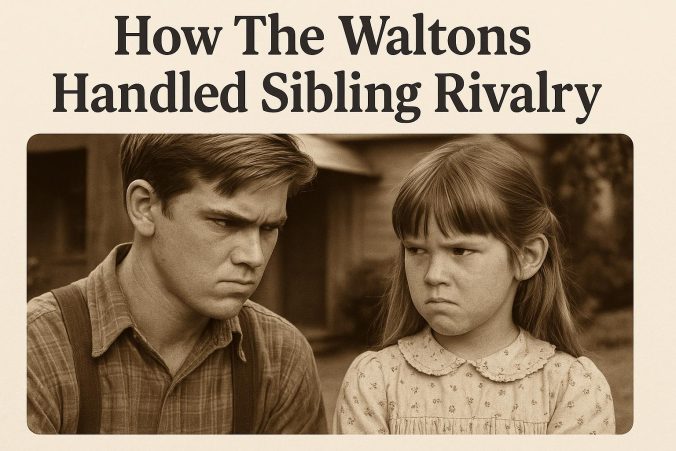
The evolution of sibling relationships within the Walton family was a central element of the show’s character development. Throughout the series, certain episodes uniquely focused on tensions between siblings. For instance, John-Boy, as the eldest child, often took on several responsibilities that sometimes led to conflicts with his younger siblings. His role as a caretaker meant that he had to balance authority with kinship, a challenge that frequently manifested in disputes.
On the other hand, episodes featuring Mary Ellen highlighted her competitive spirit, especially when dealing with her brothers. Her personality often led to typical sibling disputes over attention and privileges, reflecting a natural and relatable aspect of growing up in a sibling-rich environment. The show portrayed these rivalries not as destructive forces but as developmental stages that each sibling navigated differently. The nuanced depiction allowed viewers to see how these interactions contributed significantly to the characters’ growth.
Resolution Tactics
Crucial to the series was how it offered insights into the Walton family’s approach to navigating and resolving sibling rivalry. While conflicts were inevitable, the resolution processes depicted were thoughtful and effective. A key tactic involved the role of parental guidance, primarily provided by the wise and steady presences of Olivia and John Walton. They often stepped in to mediate disputes, modeling a calm, understanding approach that valued fairness and empathy.
John and Olivia were instrumental in encouraging open communication among the children. By teaching conflict resolution skills and promoting perspectives that stressed understanding, the series underscored the importance of nurturing familial bonds over personal grievances. These tactics were portrayed as essential to maintaining peace and promoting personal development within the family structure. The focus on empathy and supportive dialogue acted as pillars for the Walton children’s personal growth and the overall cohesion of the family.
Conclusion
The Waltons remains an enduring study of family dynamics, with sibling rivalry serving as a vehicle to explore themes of personal growth and familial love. By depicting conflicts realistically and offering resolutions through communication and understanding, the series reinforced the importance of family unity during challenging times. Viewers of The Waltons were provided with a model for managing sibling relationships through respectful dialogue and emotional support.
The consistent emphasis on resolution and understanding allowed the series to present sibling rivalry as a constructive process rather than merely a source of friction. In doing so, it provided audiences not only with entertainment but also with lessons on the enduring value of family and the significance of resolving differences with care and love. The Walton family’s ability to navigate their internal conflicts with patience and empathy continues to resonate as a timeless example of healthy family dynamics.