Iconic TV show

Month: July 2026

The depiction of rural schooling in The Waltons.

Introduction to Rural Schooling in The Waltons

The Waltons, a distinguished television series set against the backdrop of the Great Depression and World War II, delves into the intricacies of rural American life through its portrayal of the Walton family in Walton’s Mountain, Virginia. A significant theme woven throughout the series is rural schooling and the unique challenges and values of education in such communities.

Educational Setting and Structure

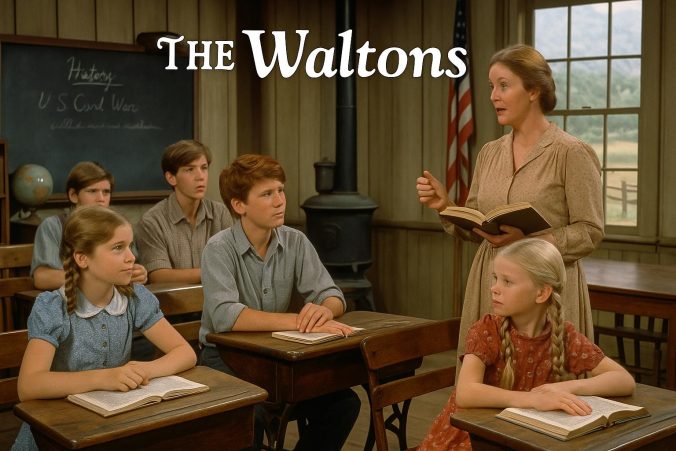
In The Waltons, the depiction of the rural educational framework is highlighted through the family home nestled in a small, tight-knit community. The show accentuates the importance of education as a communal endeavor, focusing on the one-room schoolhouse prevalent in many rural locales during that era. These schoolhouses served as foundational learning institutions, often operating with limited resources. A single teacher was tasked with the responsibility of instructing students spanning various age groups and academic levels. This environment necessitated a multifaceted teaching approach, requiring educators to be exceptionally resourceful and versatile. They created a dynamic learning atmosphere where children, despite their different stages of education, collectively explored subjects under the same roof.

The one-room schoolhouse not only served as an educational facility but also as a community hub where social events took place. Families relied on this centerpiece for both academic and social gatherings, further deepening its significance within the rural setting.

Role of the Teacher

In the series, figures such as Miss Rosemary Hunter and later Miss Mamie Baldwin embody the resilience and adaptability imperative for teachers working in rural schools. Their roles extend beyond mere educators; they become pillars of moral and ethical guidance within the community. Miss Hunter and Miss Baldwin’s duties involved managing diverse curricula spread over multiple grades, reflecting the considerable demands of their positions. Teachers in these settings often faced the challenge of limited resources but found innovative ways to impart knowledge and foster learning.

The dedication of these teachers is shown in their daily interactions with students, taking personal interest in their progress, and offering counsel that transcended academic teachings. Their influence extended beyond the classroom, impacting how students perceived and tackled the challenges of life outside school.

Curriculum and Resources

The curriculum within The Waltons is a reflection of the minimal resources typical of rural educational settings. Educational tools such as textbooks and other materials were a scarcity, often shared among students. The necessity for creativity in teaching methods was evident, with emphasis placed on practical skills that prepared students for their future roles in farming, homemaking, and other community-centric responsibilities.

The show also portrays lessons in life skills and social values, which were just as critical as academic knowledge. Students were taught not only to excel in their studies but to also cultivate the virtues of cooperation, patience, and diligence necessary for community life and future endeavors.

Community Involvement

A pivotal element highlighted in The Waltons is the crucial involvement of the community in the educational process. Schools during this time relied heavily on parental and community participation. Families and community members engaged in activities ranging from fundraising events to volunteer services, all aimed at supporting the school and enhancing student experiences.

This collective commitment illustrated the strong ties within rural communities, where education was seen as a communal responsibility, ensuring that even amidst economic adversities, educational pursuits were sustained. The series illustrates how this involvement created an environment where everyone worked together to overcome challenges, strengthening the bonds that held the community together.

Challenges Faced by Rural Schools

The Waltons takes a realistic approach to the portrayal of rural education by addressing the pressing challenges that beset these schools. Financial limitations often meant that school facilities were basic and sometimes inadequate, while geographic isolation limited students’ access to modern educational resources. Despite these constraints, teachers and students found ways to adapt and make the most of their circumstances.

Economic hardships, depicted through the struggles of families during the Great Depression, had direct impacts on school attendance and the overall educational experience. Some students had to balance academic responsibilities with labor contributions to their households, which often interfered with consistent schooling.

The Importance of Education

The narrative of The Waltons consistently underscores education as a vehicle toward a brighter future. This theme is personified in the character of John-Boy Walton, whose aspirations to become a writer motivated him to pursue education diligently. John-Boy’s journey throughout the series illustrates how education served as a beacon of hope and transformation for individuals and the community as a whole.

Education’s transformative power echoes through John-Boy’s experiences as he navigates challenges, driven by his dreams and the encouragement of his family and teachers. His story provides an inspirational lens through which the potential of education, even amidst adversity, is magnified.

Conclusion

The Waltons offers an enriching depiction of rural education amid the financial and social difficulties characterizing a turbulent period in American history. It captures the essence of rural schooling, showcasing both its trials and its pivotal role as a bastion of community and growth.

Through highlighting the pivotal roles of dedicated teachers, the valuable community involvement, and the enduring vision for personal and communal betterment, The Waltons presents a timeless and insightful exploration of the significance of education. The series remains a poignant reminder of the potential of education as a unifying and transformative force within and beyond rural America.

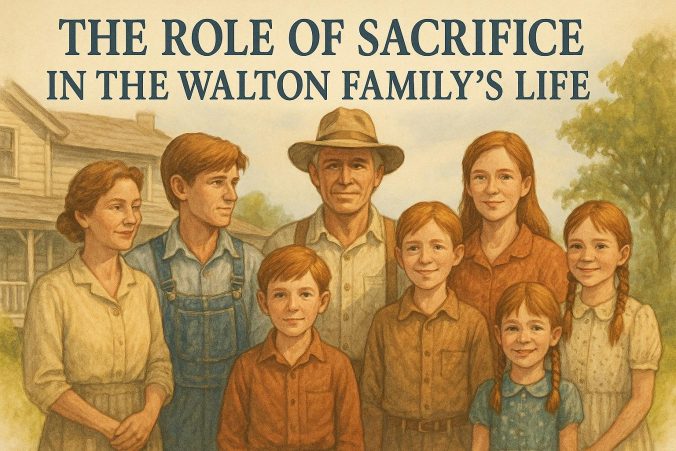
The role of sacrifice in the Walton family’s life.

The Concept of Sacrifice in the Walton Family

The Walton family, renowned as the founders of the retail giant Walmart, embodies the principle of sacrifice, which is evident in both their personal lives and their strategic approach to business. At the core of Walmart’s success, and indeed the family’s ethos, is a steadfast commitment to values and principles that often require embracing limitations for the promise of long-term rewards. This narrative of self-sacrifice and the prioritization of business over personal pleasures has paved the way for Walmart’s dominance in the retail industry.

Foundational Values

The story of the Walton family’s journey to success starts with Sam Walton, the family patriarch. Emphasizing the virtues of frugality and humility, Sam Walton’s approach to the business was one that was deeply rooted in cost-saving measures. Even as Walmart flourished and grew into a retail behemoth, Walton’s frugal practices extended into his personal life, where he consistently chose to live well below his means. Refusing to indulge in extravagance, Walton modeled a lifestyle that was austere and practical. Such sacrifices were not just personal choices but were an embodiment of his foundational beliefs about how success could be better achieved and maintained.

Personal Practices

The philosophy championed by Sam Walton found its way into the daily lifestyle practices of the Walton family. Known for maintaining a modest standard of living, the Waltons often chose simplicity over costly indulgences. This decision to lead a relatively unassuming life did not stem from economic necessity but rather from a disciplined choice that highlighted the family’s core belief in prioritizing the sustainability and growth of their business over personal material gains. The conscious adoption of this philosophy underscored a broader ethos of discipline and commitment that has become synonymous with the Walton name.

Business Strategy

Beyond their personal practices, the concept of sacrifice is vividly illustrated in Walmart’s business strategy. Central to Walmart’s operational blueprint is its relentless focus on low prices, a goal achieved through rigorous cost-control measures and the optimization of supply chain management. The Waltons adopted a long-view perspective that often involved foregoing immediate financial gains in favor of reinvesting profits back into the company. This approach to business was a calculated sacrifice aimed at fostering long-term growth and ensuring that Walmart maintained its competitive edge in a volatile market. The emphasis on affordability and efficiency has become a hallmark of Walmart’s identity, propelling it to become a household name.

Community Engagement

The idea of sacrifice within the Walton family extends beyond their business dealings and personal lifestyle choices to include a profound commitment to community involvement and philanthropy. The Walton Family Foundation stands as a testament to the family’s dedication to making societal contributions. This foundation focuses on educational reform and environmental sustainability initiatives, areas that require significant investment and unwavering dedication. In choosing to allocate substantial resources to these causes, the Waltons signal their willingness to make personal sacrifices to support broader, impactful changes in society. These efforts reflect a vision of responsibility that seeks to balance personal wealth with communal well-being.

Legacy of Sacrifice

The legacy of sacrifice that characterizes the Walton family’s approach to life and business has become an integral part of their enduring story. Their emphasis on making deliberate trade-offs is a powerful narrative that underscores the importance of choosing long-term, substantial success over transient pleasures or gains. By maintaining a disciplined focus on their foundational values and commitment to community, the Waltons illustrate how sacrifice can serve as a formidable driver of both personal and corporate growth. Their story serves as a valuable lesson that significant achievements, whether in personal endeavors or business, are often rooted in the willingness to forgo short-term gains for future benefits.

How The Waltons showcased first loves and heartbreaks.

Introduction to Romantic Themes in “The Waltons”

“The Waltons,” a cherished American television series, is renowned for its depiction of family life during the Great Depression and World War II. Beyond highlighting the struggles and triumphs of the Walton family, the series provides a poignant portrayal of first loves and heartbreaks. This aspect of the series is often woven into episodes, giving depth to the characters’ experiences and reflecting the universal nature of young love.

John-Boy’s Romantic Journey

As the eldest Walton sibling and an aspiring writer, John-Boy Walton frequently encountered the complexities of youthful romance. His character’s experiences with love served as a central theme in multiple episodes. Through these romantic storylines, John-Boy often found himself grappling with the excitement and uncertainty of his first loves, as well as the inevitable heartbreaks that followed. These narratives, while personal to the character, resonated with many viewers for their relatability and authenticity. The way his character navigated the challenges associated with love—balancing dreams, ambitions, and the pressure of familial responsibilities—added layers to his journey. These early experiences provided John-Boy with material that enriched both his personal growth and his ambitions as a writer, allowing him to capture the gossamer-like highs and lows of romance in his works.

Highlighted throughout his arcs were specific episodes that brought to life the essence of first loves. John-Boy’s initial romantic interests were often tangled in the idyllic innocence of adolescence. Their narratives unfolded amongst the backdrop of Virginia’s picturesque landscapes, with each story often wrapping up with a lesson that had been learned. The intimate portrayal of his character dealt not just with the external factors of romance but dug deeper into internal self-reflection, accounting for evolving perceptions of love.

Mary Ellen’s Quest for Love

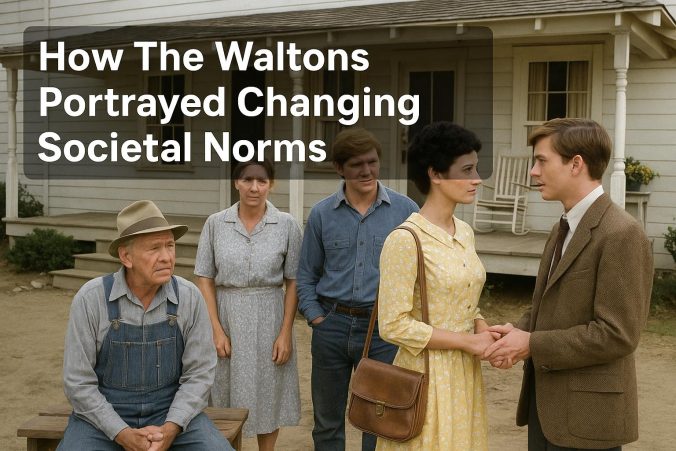
Mary Ellen Walton, the eldest daughter, also navigated the emotional terrain of young love and its challenges. Her interactions with potential suitors offered insight into the evolving roles and expectations of women during the series’ time period. Mary Ellen’s romantic storylines varied from experiencing fleeting crushes to deeper relationships that tested her personal growth and resilience. Her relationships often underscored the prevailing cultural narratives about women’s roles, which were experiencing monumental shifts during the era in which the series was set.

Mary Ellen’s character arc was paramount in challenging the status quo, pushing back against an era’s traditional gender norms, and through her romantic experiences, the viewers witnessed these variations. Each relationship came with a set of circumstances that mirrored growing societal changes: war-time engagements that tested patience and commitment, or young love shadowed by a world on the cusp of modernity. Her quest for autonomy was a recurring undercurrent, producing thought-provoking dialogues related to aspirations and companionship. Furthermore, these interactions weren’t just about romantic connections but how they intertwined with aspirations—nursing, independence, and resilience.

Other Siblings’ Romantic Experiences

While John-Boy and Mary Ellen were often at the forefront of romantic exploration, the other Walton siblings were not devoid of their unique love stories. Each sibling brought their own perspective and personality to courtship, adding a layer of richness to the overall narrative of the series. These subplot romances enhanced the show’s depiction of family dynamics by showing how each character contributed to and grew from their personal experiences with love and loss.

For instance, the romantic endeavors of siblings such as Erin Walton and Ben Walton added intriguing diversity to the series’ exploration of love. Erin, characterized by her charm and vivacity, faced infatuations and serenades from young men and pursued relationships where choices concerning career and romantic prioritization became salient. Ben, on the other hand, often displayed more pragmatic viewpoints on relationships, as evidenced in episodes dealing with premarital responsibilities amid turbulent times. By weaving in stories across this broad character spectrum, “The Waltons” delivered narratives replete with variety. They showcased developmental arcs that were poignant and became relatable portrayals of growing up and understanding deeper relationship paradigms.

Conclusion

“The Waltons” remains a standout in television history for its heartfelt representation of first loves and heartbreaks. By embedding these themes within a larger narrative about family and community, the show captured the bittersweet nature of growing up and navigating personal relationships. It offered a lens into an age where family values harmonized with the individuation processes of young adults. Through the characters’ experiences, the series reflects the timeless journey of seeking love, understanding, and acceptance.

Themes of romance provided poignant commentary over the series regarding how societal changes reverberated through individuals’ personal lives. The romantic stories played a crucial role in enhancing the emotional complexity of the series, carving lasting impressions that engendered empathy and drew parallels with various stages within viewers’ lives. By portraying these tales, “The Waltons” delivered durably as both an iconic retro narrative and a timeless piece commentating on the indomitable and universally relatable pursuit of love.