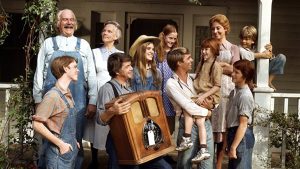
Iconic TV show

Month: August 2026

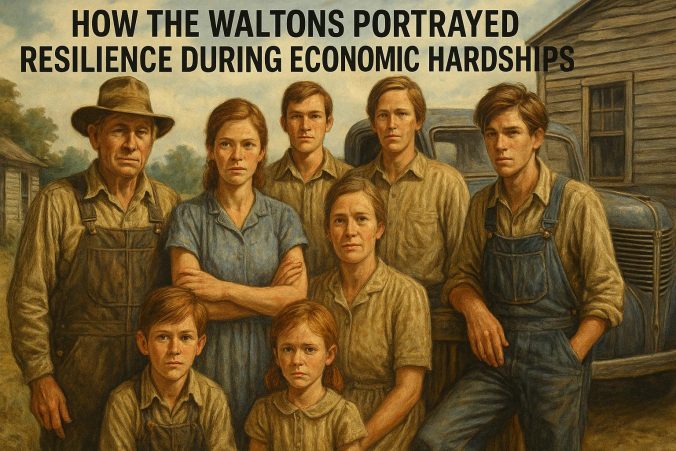
How The Waltons portrayed resilience during economic hardships.

The Setting of Economic Hardship in “The Waltons”

“The Waltons,” a popular American television series, is renowned for its depiction of a family navigating economic hardships during the Great Depression and World War II. Set in rural Virginia, the series follows the Walton family, offering a window into the broader socio-economic challenges of the 1930s and 1940s. This television drama painted an authentic picture of life during these challenging times, allowing viewers to understand the complexities and struggles of families that lived through one of the most difficult periods in American history.

Adaptation and Resourcefulness

The Walton family’s ability to adapt and remain resourceful underlines their resilience. Faced with limited financial resources, they employed strategies such as bartering goods and services with neighbors. This was a common practice during the Great Depression when cash was scarce, and people had to rely on what they could produce or do to get by. In “The Waltons,” these exchanges often took the form of trading homegrown produce or crafted goods for other necessities that the family could not produce themselves. Bartering not only supported their subsistence but also maintained community bonds, which were a crucial support system during trying times.

In addition to bartering, the family was adept at making the most of what they had. From planting and nurturing their own food sources to mending and repurposing clothing and household items, their lifestyle exemplified frugality. This approach to life can also be seen as an early form of sustainability, where every resource was used to its fullest potential, and waste was minimized.

The Importance of Family and Community

An essential element of the Waltons’ resilience was their strong family ties and sense of community. The show depicted how these relationships provided emotional and practical support that was critical during times of hardship. Family gatherings, whether they were formal meals or casual chats on the porch, served as vital forums for exchanging advice, offering reassurance, and planning for the future. The sense of belonging that these interactions fostered was invaluable in maintaining the sense of normalcy and hope.

Beyond the immediate family, the community played a significant role in the Waltons’ lives. Through communal gatherings and shared labor, the characters exemplified how collaboration could alleviate individual burdens, promoting collective survival. It was not uncommon for neighbors to come together for barn raisings or collective farming efforts, where what was reaped was shared. Such community efforts underscored the saying “many hands make light work,” allowing individuals to contribute to and benefit from the community’s success.

Work Ethic and Perseverance

A strong work ethic and perseverance were central themes within the series. The Waltons displayed a tireless commitment to their farm and other livelihood endeavors, highlighting how determination played a vital role in overcoming economic adversity. Every family member had a role to play—whether it was milking the cows, tending the garden, or keeping up with household chores—and each task was approached with diligence and care.

These characteristics are emphasized throughout the series as the family engages in honest labor to fulfill basic needs. The perseverance of the Walton family was not only about physical labor but also about maintaining a positive outlook and pushing through despite setbacks. This attitude reflected a common American ethos of the time, where hard work was seen as the primary means to a better life, irrespective of the immediate challenges.

The Role of Education and Hope

Education was portrayed as a beacon of hope and a pathway to a better future. John-Boy Walton, the eldest son, represented the aspiration for educational advancement. His ambitions were supported by his family despite financial strains. The emphasis on education in the series underscores its perceived role in breaking cycles of poverty and providing a means to improve one’s circumstances.

John-Boy’s dream of becoming a writer and attending college was emblematic of the aspirations many held during this era, viewing education as a springboard to different opportunities and a break from the manual, labor-intensive lives their parents led. The sacrifices made by the family to support John-Boy—whether it was Eli’s rigorous savings to afford books or Olivia’s home-tutoring efforts—highlight how deeply valued education was as an investment in a brighter future.

The Broader Impact of Depicting Resilience

“The Waltons” serves not just as entertainment but as a cultural reflection of resilience during economic hardship. By presenting the challenges and triumphs of the Walton family, the series illustrates the potential for human spirit and ingenuity to overcome difficulties. These narratives resonate with audiences, offering lessons on how to tackle adversity with perseverance and community support.

The show’s impact extends beyond its narrative. The portrayal of the Walton family’s resilience serves as a reminder of the strength found in togetherness and the power of a community united by shared struggles and goals. Additionally, it paints a historical picture of an America that many generations have moved far from—an analog world where time slowed during stormy winters and advanced at the rhythm of harvests and nature’s cycles.

Furthermore, “The Waltons” remains a valuable cultural artifact, providing insight into the American experience during tough economic periods. It captures the essence of human endurance and adaptability, making it a timeless portrayal of resilience. Its setting, characters, and the relatable challenges they face make it a lens through which contemporary audiences can gain understanding and appreciation for the determination that shaped generations past.

For more detailed explorations, various resources offer information on the series, its context, and its impact. Through both its storytelling and the way it was received by audiences, “The Waltons” acts as a bridge connecting past and present, inviting reflections on how far society has come, and how certain enduring values continue to persist.
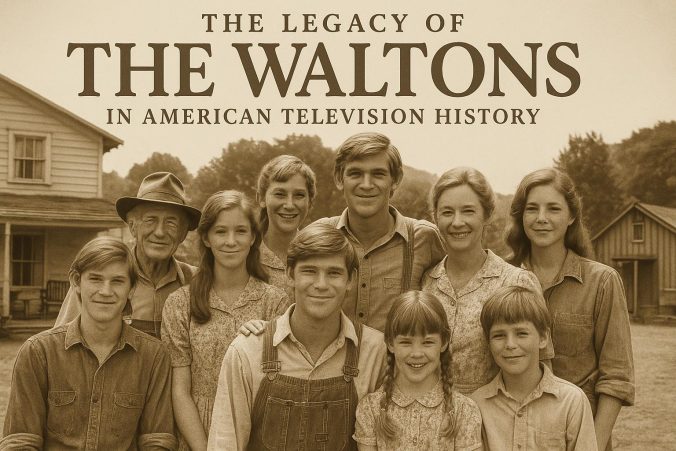
The legacy of The Waltons in American television history.

The Waltons: A Cornerstone of American Television

The American television series, The Waltons, is a significant benchmark in the history of broadcast television. Premiering on CBS in 1972, it captured the hearts of millions with its portrayal of family life during the Great Depression and World War II. Based on the book Spencer’s Mountain by Earl Hamner Jr., the show introduced audiences to the close-knit Walton family living in rural Virginia.

Depiction of American Values

The Waltons is renowned for its focus on family values, including strong kinship, resilience, and moral integrity. The series provided a sense of nostalgia during a period when American society was undergoing significant changes. With its simple yet profound storytelling, the show became a cultural touchstone that demonstrated the importance of family unity and community support.

The thematic focus of the series was particularly poignant during the 1970s, as it mirrored the social ethos of nurturing familial bonds and community strength against the backdrop of socio-political upheavals. The Waltons epitomized the archetype of the persevering American family, delicately balancing moments of joy and sorrow, as each episode emphasized virtues such as empathy and humility through everyday experiences and challenges.

Innovative Storytelling and Character Development

Unlike many other programs of its time, The Waltons excelled in its character-driven narratives. Each episode focused on the individual journeys of the Walton family members, offering viewers an in-depth exploration of personal growth and life challenges. The series provided rich character development, allowing audiences to feel a deep connection with the characters over its nine-season run.

The Waltons was distinct in its commitment to authenticity. The narrative approach aimed to reflect the historical era it depicted—capturing the struggles and triumphs of life during the Great Depression and the war years. This allowed the show not only to portray individual struggles but also to explore broader socio-economic themes. Detailed story arcs were devoted to exploring the school dynamics, aspirations, loves, and losses of each family member, offering a deeply layered storytelling format that was both engaging and relatable.

The Cast and Their Impact

The success of The Waltons was partly due to its talented cast. Richard Thomas, who played John-Boy Walton, became an iconic figure representing the idealism of youth striving for personal growth and intellectual fulfillment. His character, with literary aspirations, served as a lens through which viewers could engage with intellectual curiosity and the pursuit of personal dreams, ideals reflective of the American spirit.

Other cast members such as Michael Learned, Ralph Waite, and Will Geer brought authenticity and warmth to their roles, contributing to the show’s enduring success. Michael Learned’s portrayal of Olivia Walton, the matriarch, and Ralph Waite’s role as John Walton, the stern yet loving father, grounded the series in genuine performances that vividly brought to life the trials and triumphs of daily existence. Will Geer, as Grandpa Zeb Walton, brought wisdom and humor to the family dynamic, creating multi-dimensional interactions amongst the characters.

Cultural and Industry Influence

The influence of The Waltons extends beyond just entertainment. It paved the way for future family-centered dramas and is credited with encouraging the creation of similar series that focus on intricate interpersonal relationships. Its emphasis on storytelling and character dynamics can be seen in later successful series in American television history.

The cultural impact of The Waltons can also be assessed through its reflection of American ideals and social critique. Its representation of family, ethics, and perseverance during difficult times resonated with audiences, providing a nuanced portrayal of American life that went beyond mere entertainment to offer food for thought on broader issues such as economic hardship and social cohesion. This legacy spurred the development of subsequent series that sought to capture complex familial and community dynamics.

Recognition and Awards

Over its broadcast run, The Waltons garnered critical acclaim, earning multiple Emmy Awards and nominations. The series was praised for its scriptwriting, acting, and ability to engage viewers with its heartwarming depictions of everyday life. This recognition underscores its significant legacy in television history.

The awards and nominations that The Waltons received are a testament to its narrative brilliance and the exceptional talent of its cast and crew. Apart from Emmys, the show was honored with numerous accolades that highlighted various aspects of its production, from technical craftsmanship to storytelling excellence, firmly establishing its status within the annals of prestigious television productions.

Enduring Legacy

The Waltons continues to be a source of inspiration for audiences and creators in the television industry. Its enduring legacy is cemented not only by its accolades but by its influential storytelling that highlighted the universal themes of love, perseverance, and the American spirit.

The show’s legacy is also evident in the continued relevance and retransmission of its episodes, resonating with new generations and offering timeless insights into the values of family and resilience. As a quintessential representation of an era, The Waltons remains a testament to the power of storytelling in shaping cultural narratives and lighting the path for future explorations of similar themes in the realm of television drama. Its impact, shaped by innovate character portrayals and socially relevant narratives, continues to underscore the role of media as not just a source of amusement but as a reflective mirror of society and human values.

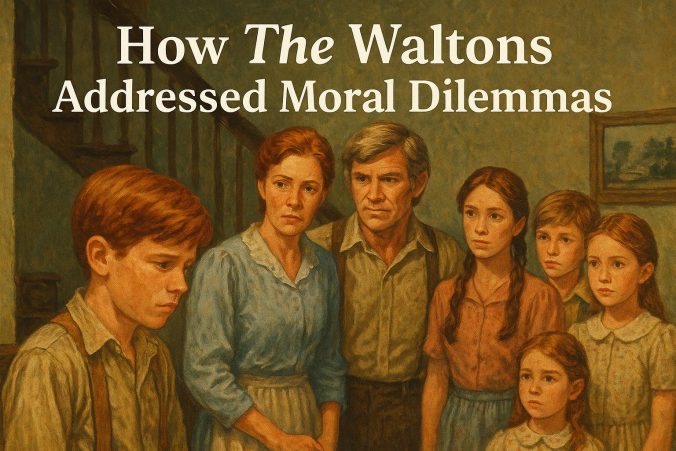
How The Waltons addressed moral dilemmas.

The Waltons and Moral Dilemmas

The American television series The Waltons, which aired from 1972 to 1981, has been notably emblematic of a period wherein families across the United States faced numerous socioeconomic challenges. Set against the backdrop of the Great Depression and extending into World War II, the series keenly delved into several moral dilemmas, confronting the Walton family and, by extension, their broader community. The creators of the show crafted these narratives not simply to entertain, but to impart timeless lessons on morality, emphasizing the vitality of strong family values and the steadfast maintenance of integrity during trying times.

Insights into Family Values

The Waltons was conceptualized by Earl Hamner Jr., a writer whose own familial experiences served as the foundational cornerstone for the show’s narratives. His intention was to infuse each episode with moral queries and lessons that the audience could grapple with and learn from. Representations of situations that required understanding, patience, and familial support stood at the center of these stories. For audiences who regularly tuned in, each episode was not just a snippet of early 20th-century rural American life, but also a reflection and reinforcement of ethical standards that have withstood the test of time.

Depictions of Honesty and Integrity

Honesty and integrity frequently surfaced as thematic pillars in The Waltons. This was a conscious effort to underscore the vitality of truth, even in circumstances that complicated honesty. The narrative fabric of the show was woven with instances where characters faced moments of temptation, dilemmas, or intense pressures to deviate from the truth. At times, telling the truth appeared synonymous with conflict and personal loss. Yet, these storylines consistently concluded with an affirmation of the importance of holding fast to one’s principles. This steadfast commitment to truth was a key factor in why the show resonated so profoundly with its audience, cultivating an understanding that, irrespective of quandaries faced, integrity remains non-negotiable.

Dealing with Prejudice

Another significant moral issue broached by The Waltons was the topic of prejudice, portrayed in various guises—ranging from race and social class to religious divergences. The show often spotlighted instances where prejudices could surface and proposed a compassionate counter-narrative, embodied by the Waltons who invariably adopted a stance of acceptance and broad-mindedness. Such portrayals were intended to urge the audience away from knee-jerk prejudice responses, fostering instead a spirit of empathy and understanding. The show thus not only reflected societal evolutions regarding these issues but also prompted personal introspection and growth among its viewers.

Conflict Resolution and Community Values

Central to the existence of any community, and prominently showcased in The Waltons, was the art of conflict resolution. Conflicts, whether subtle disagreements within the familial sphere or larger contentions involving community figures, underscored several episodes. The narrative demonstrated that through open dialogues and compromise, disputes could be amicably and productively resolved. This approach embodied a broader principle of maintaining peace and fostering unity. The longstanding support of the community, represented through these resolutions, emphasized the indispensable role of community kinship and common values, urging greater responsibility in upholding them both in personal and communal contexts.

Loyalty and Commitment

Loyalty emerged as a crucial theme, intricately woven into the lives of the series’ characters. The Walton family, notably, was often depicted grappling with situations that demanded a choice—between personal desires and the pull of family and friendship loyalty. These narratives artfully illustrated that loyalty sometimes necessitated personal sacrifices. A familial or friendly commitment, despite its potential difficulty, was depicted as an indelible component of life. Personal goals were at times deferred to ensure that loyalty was not compromised, serving as a vivid portrayal of the strength found in these human commitments and relationships.

Conclusion

Undoubtedly, the moral dilemmas intricately analyzed in The Waltons have a timelessness that continues to resonate with audiences in modern-day societies. The fictional yet profound stories served and continue to serve as a mirror, reflecting fundamental guidance on ethical challenges. At their core, these narratives reinforce the belief that virtues such as honesty, integrity, tolerance, and loyalty are critical to living a well-rounded, principled life. For those seeking to delve deeper into these themes, reviewing episodes of The Waltons could provide further insights. The show remains accessible to contemporary audiences, available on various streaming platforms, providing ample opportunity for introspection and appreciation of these enduring moral lessons.

The storytelling impact of the mountain setting.

The Influence of Mountain Settings in Storytelling

Mountains have long served as a striking backdrop in literature and film, offering both a physical setting and a symbolic element that enriches narratives. Their imposing presence can shape the mood, reflect inner journeys, and influence plot development in compelling ways. This exploration into the role of mountains in storytelling will delve into how they serve to deepen narratives and enrich characters’ experiences, providing a comprehensive overview of their multifaceted influence.

Symbolism of Mountains

Mountains are often laden with symbolic significance in storytelling. They can represent obstacles, challenges, and the ultimate test of endurance. Characters who embark on journeys through mountainous terrains often face both physical and spiritual trials. This dual nature makes mountains a fitting setting for stories about personal growth and transformation.

In many narratives, mountains are seen as places of high stakes and profound realizations. The physical act of climbing a mountain can symbolize the internal struggles one faces in the pursuit of a goal, whether that goal is tangible or emotional. As characters ascend, they often leave behind their doubts and fears, moving toward self-realization and newfound strength. The summit represents the apex of their journey, the point where overcoming hardship is equated with gaining insight or achieving a personal milestone.

Physical Isolation and Character Introspection

By their nature, mountains are isolated, remote places. This separation from the everyday world can provide characters with the solitude necessary for introspection. In stories, this can lead to deep reflections on life, purpose, and identity. Characters’ interactions with the mountain environment often reveal inner conflicts and push them towards self-discovery.

For instance, when characters are isolated on a mountain, away from the distractions of the modern world, they are often forced to confront their innermost thoughts and feelings. The silence and solitude of these remote places allow for a level of introspection and self-examination that may not be possible in more bustling settings. This process of self-reflection can be transformative, leading characters to pivotal realizations about themselves or their place in the world.

Environmental Challenges and Plot Development

Mountains present unique environmental challenges that can drive plot development. Harsh weather conditions, difficult terrain, and the scarcity of resources often serve as hurdles for characters. These challenges intensify the narrative, introducing elements of survival and resilience. The unpredictable nature of mountain landscapes can also add suspense and unpredictability to a story.

Characters must navigate these inhospitable environments, often testing their limits both physically and mentally. The struggle against natural forces can be an analogy for the internal battles characters face. Furthermore, the ever-present danger in mountain settings can heighten the stakes of a narrative, keeping readers or viewers engaged as they anticipate how the characters will overcome the hurdles presented by their environment.

Cultural and Historical Context

Incorporating mountains into storytelling can also enrich narratives with cultural and historical context. Many cultures around the world attribute significant spiritual and historical meaning to their local mountain ranges. For example, the Himalayas are not only a geographical feature but also hold religious significance in Hinduism and Buddhism. Such contexts can add depth and authenticity to a story’s setting.

In many cultures, mountains are considered sacred, the dwelling places of deities, or the sites of important historic events. Stories that incorporate these perspectives benefit from a deeper resonance with audiences familiar with those cultural references. By weaving cultural and historical elements into tales, storytellers can offer perspectives that go beyond the personal, connecting individual experiences to broader communal or ancestral narratives.

Moreover, stories set in or near mountains can reflect the historical events that are indelibly linked to these locations. Battles fought, treaties signed, or the establishment of communities in mountainous regions provide fertile grounds for storytelling. These elements can provide a textured backdrop, enhancing the narrative with a sense of place and time that enriches the plot and character development.

Conclusion

The use of mountains in storytelling is powerful due to their multifaceted nature. As both physical and metaphorical elements, they can symbolize personal growth, present challenges, and offer reflections on humanity’s place within nature. When crafted carefully, the mountain setting can enhance a story’s emotional and narrative depth significantly.

The omnipresence of mountains as a backdrop in stories speaks to their universal appeal as symbols of aspiration, struggle, and introspection. They serve as mirrors reflecting the internal challenges faced by characters and offer authors a compelling setting to explore themes of resilience, self-discovery, and cultural significance. Through the thoughtful integration of such settings, storytellers can captivate audiences, drawing them into tales of adventure, transformation, and reflection.

For more on how other natural settings influence storytelling, you might find resources at this link.

© 2026 Walton Museum

Theme by Anders NorenUp ↑