Introduction
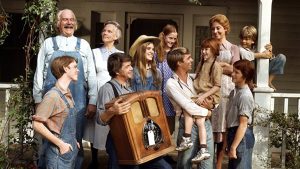
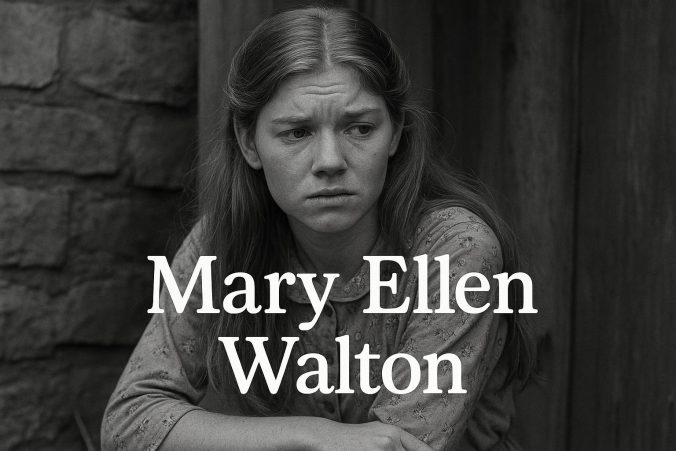
Mary Ellen Walton is a central character from the renowned American television series, “The Waltons,” which captivated audiences from 1972 to 1981. The series is set against the backdrop of the Great Depression and World War II, chronicling the lives of the Walton family in rural Virginia. Mary Ellen, as the eldest daughter, is portrayed navigating a myriad of challenges as she matures from a young girl into a woman.
Balancing Family Responsibilities
Mary Ellen’s journey is characterized by her ongoing struggle to balance family responsibilities. As the eldest daughter in the Walton household, Mary Ellen naturally assumes a caretaker role. Her responsibilities include assisting her mother, Olivia Walton, in managing household tasks and taking care of her younger siblings. This expectation places a considerable amount of pressure on her, often compelling her to place familial obligations above her individual aspirations. The weight of these duties can be a formidable burden for someone in the formative years of their life.
Being part of a large family, Mary Ellen frequently finds herself in situations where she must juggle her duties at home with her desire to pursue personal interests. During a time when societal norms dictated specific gender roles, she often had to navigate the tightrope of fulfilling her familial duties while nurturing her personal ambitions. This balance is not merely a recurring challenge for Mary Ellen; it is an enduring theme throughout the series, illustrating the broader struggles faced by women of that era.
Pursuing Education and Career Ambitions
Parallel to her family commitments, Mary Ellen is equally determined to pursue her educational and career goals, often venturing into areas that were predominantly occupied by men during that period. She harbors a profound interest in the field of medicine, leading her to pursue a career as a nurse. This decision is emblematic of her strong-willed character, demonstrating her willingness to challenge societal norms and expectations. Her journey into nursing not only sets her apart but also signifies a progressive step in a time characterized by rigid gender roles.
Mary Ellen’s entrance into the professional world of healthcare underscores her tenacity and determination. She encounters various obstacles, both societal and personal, as she strives to establish herself within her chosen field. These challenges reflect broader themes of empowerment and the quest for professional fulfillment, which were significant issues for many women during the 20th century. Mary Ellen’s aspirations and achievements serve as a testament to her resilience and ambition.
Facing Personal Tragedies
Amidst her professional and familial responsibilities, Mary Ellen encounters significant personal tragedies that further test her resilience and fortitude. One of the most significant and heart-wrenching events in her life is the death of her husband, Curtis Willard, during World War II. This tragic loss has a profound impact on Mary Ellen, thrusting her into the unfamiliar and challenging role of widowhood. It is a defining moment in the series, highlighting her strength in navigating through the ensuing emotional and practical difficulties.
The loss of Curtis not only affects Mary Ellen personally but also alters the dynamics of her family life. As she processes her grief, she must also attend to the needs of her young son, John Curtis Willard, ensuring his well-being amidst the turbulence. This ordeal epitomizes the show’s recurring exploration of loss and resilience. Mary Ellen’s journey through this personal tragedy offers viewers insights into the broader experiences of women who endured similar hardships during this historical period.
Adjusting to Changing Times
Throughout the series, Mary Ellen must consistently adapt to the changing times. The fluctuating social and cultural dynamics of America during the 1930s and 1940s bring forth both new opportunities and challenges. Whether it involves embracing new familial roles, adjusting to technological advancements, or adapting to the evolving societal norms, Mary Ellen’s journey is emblematic of adaptability and growth.
Her ability to navigate these shifts is continually put to the test, symbolizing a period of transformation not only for her personally but for society as a whole. As she evolves with the times, Mary Ellen learns to reconcile her traditional upbringing with the changing attitudes and expectations of the modern world. Her story reflects the adaptation and resilience prevalent in the lives of many women during this era.
Conclusion
The narrative of Mary Ellen Walton is intricately woven into the historical fabric of the 20th century, addressing universal themes of familial duty, personal ambition, and resilience in the face of adversity. The challenges she faces, though shaped by the contextual backdrop of the era, resonate with the broader struggles and triumphs experienced by women at that time. Mary Ellen’s journey is a poignant reflection of the broader societal transformations occurring during the Great Depression and World War II.
Through her experiences, the series “The Waltons” offers a lens into the lives of women navigating the complexities of that period. Mary Ellen’s character serves not only as an anchor for these themes but also as an inspiration for understanding the perseverance and strength required to overcome such challenges. Her story continues to captivate audiences, inviting exploration of the layered and nuanced portrayal of women’s roles during a transformative epoch in American history. For more information on Mary Ellen Walton’s life and challenges, you may explore related content in greater detail.