Iconic TV show

Month: September 2026

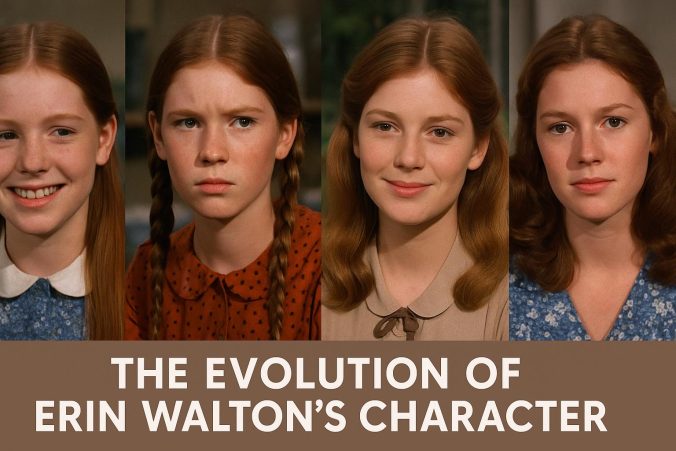
The evolution of Erin Walton’s character.

The Early Years of Erin Walton

Erin Walton is a character from the beloved television series The Waltons, which aired from 1972 to 1981. As a part of the Walton family, Erin is one of the seven Walton children and is portrayed by actress Mary Elizabeth McDonough. She evolves significantly over the course of the series, beginning her journey as a bright, curious, and somewhat naive young girl.

In the early seasons, Erin is depicted as caring and responsible, often taking on roles that demonstrate her nurturing nature. As the middle child in the Walton family, she sometimes struggles for individuality amidst her siblings but remains integral to the familial dynamics. Her character’s interactions offer viewers insights into both her aspirations and frustrations during her formative years.

Adolescence and Identity

As the series progresses, Erin’s character goes through many changes typical of adolescence. She becomes more conscious of her own identity, challenging some of the preconceived notions and expectations placed upon her by family and community. This stage marks a significant evolution in her character, as she strives to find her own path.

During her teenage years, Erin develops a more defined sense of self and expresses desires for independence. Her relationships with her siblings, especially with her sister Elizabeth, often highlight her quest for autonomy and self-discovery. Throughout this period, Erin dabbles in various interests, including the arts and dating, revealing both her capabilities and vulnerabilities.

Professional Aspirations and Growth

In later seasons, Erin Walton begins to embrace professional aspirations, emphasizing her growth from adolescence to adulthood. She is depicted as a determined young woman, eager to carve out a career for herself beyond the traditional expectations of her era. Her character’s journey into the workforce is emblematic of many young women of the time, who were seeking to balance personal ambitions with familial responsibilities.

Erin’s venture into the workforce includes a variety of jobs which contribute to her development as a strong, independent figure. Her experiences outside of Walton’s Mountain enrich her character, presenting her with challenges and opportunities that shape her outlook on life.

Emotional Maturity and Family Legacy

Towards the end of the series and into the subsequent television movies, Erin Walton reaches a place of emotional maturity. She achieves a sense of balance between her own dreams and the family’s values, illustrating an evolution that many viewers found relatable. Her journey reflects a transition from youth to adulthood, capturing the essence of growing up within the supportive framework of the Walton family.

Throughout her development, Erin navigates various dynamics that enable her to mature emotionally. Her role as a sister and daughter is deeply intertwined with the lessons she learns and the values she upholds. Each experience, whether joyful or challenging, contributes to a rich tapestry of growth, allowing her to honor the legacy she inherits from her family.

The Influence of the Walton Family

The influence of the Walton family on Erin’s character cannot be overstated. Brought up in a household with strong moral values and a deep sense of community, Erin’s worldview is shaped by the principles instilled in her by her parents and grandparents. These values guide her decisions, both personal and professional, forming a continuous thread throughout her character arc.

Growing up during the Great Depression, Erin is cognizant of the sacrifices made by her family. This era of hardship teaches her resilience, diligence, and a profound appreciation for togetherness and mutual support. The challenges faced by the Walton family during these times are integral to Erin’s growth, providing her with firsthand lessons in empathy, perseverance, and determination.

Erin’s relationship with her siblings also plays a critical role in her development. In a large family, she learns the importance of cooperation and compromise, skills that serve her well in school, work, and her social interactions. Her connection with her siblings is a source of strength, offering her insights into different perspectives and ways of resolving conflicts.

Balancing Personal Ambition and Familial Duty

The task of balancing personal ambition with familial duty is a recurring theme in Erin Walton’s journey. Her desire to pursue a career requires her to navigate societal expectations while also honoring her family’s legacy. This balancing act is portrayed thoughtfully throughout The Waltons, as Erin embarks on various professional endeavors, showcasing her willingness to break traditional molds.

As she ventures into different careers, Erin’s journey reflects the broader societal changes occurring at the time. The increasing opportunities for women in the workforce are mirrored in her character’s aspirations. She encounters challenges that test her resolve but emerges stronger, with a clear sense of purpose and identity.

Erin’s journey also highlights the importance of making informed choices that align with personal values. Her decisions are often guided by the strong ethical foundation laid down by her family. Whether choosing a career path or dealing with interpersonal relationships, Erin consistently reflects on how her choices would impact those around her, maintaining a sense of responsibility that resonates with audiences.

Conclusion: Erin Walton’s Lasting Legacy

Erin Walton’s character arc in The Waltons is a profound exploration of personal growth, identity, and familial ties. Her evolution from a bright-eyed girl to a mature, independent woman is marked by both triumphs and challenges. As viewers journey with Erin through her formative years, her experiences resonate on multiple levels, showcasing the universal themes of growth, ambition, and the intrinsic bond of family.

Her story is a testament to the timeless nature of familial support and personal determination. Erin’s ability to blend individual goals with the collective ethos of the Walton family sets her apart as a character who embodies resilience and hope. Her journey continues to inspire viewers to embrace both personal and shared goals, finding strength in the connections they hold dear.

For further exploration of The Waltons and Erin Walton’s character, television archives and official fan sites provide extensive resources on the show’s unique portrayal of family dynamics during the Great Depression.
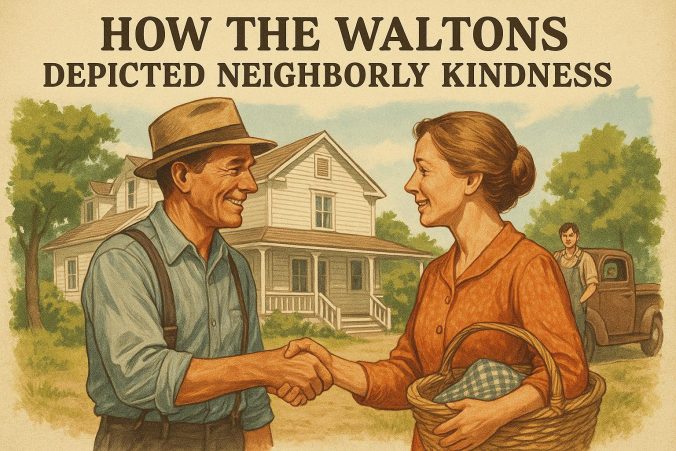
How The Waltons depicted neighborly kindness.

The Waltons and Neighborly Kindness

“The Waltons,” an American television series that became a beloved staple, captivated audiences with its warm portrayal of life during the challenging eras of the Great Depression and World War II. Running from 1972 to 1981, the show captivated viewers not just with its engaging storytelling but through its depiction of family bonds, communal living, and the simplicity of life in rural Virginia. At the core of the series’ charm lay the profound theme of neighborly kindness, exemplified through relatable characters and their interactions with the broader community.

Community Support and Assistance

One of the most striking elements of “The Waltons” is its persistent focus on the concept of community support and assistance. The series constructs a world where community members come together, offering aid in times marked by emotional and economic hardship. Against the backdrop of rural Virginia, the portrayal of communal efforts in the series sheds light on how communities survive and thrive when individuals share responsibilities and resources.

The Walton family, depicted as the central axis of this community support network, offers relentless assistance to those around them, often going out of their way to ensure no one is left to struggle alone. Through their actions, the show presents a narrative where communal wellbeing is prioritized, nurturing the idea of a shared social responsibility as a guiding ethos for community living.

Examples of Acts of Kindness

Throughout the series’ extensive run, numerous acts of kindness exemplify the community spirit. A significant figure in the series is John Walton, Sr., whose skill in carpentry becomes a valuable resource for neighbors in times of need. His willingness to offer services without expectation of reciprocation highlights the essence of selfless service within community constructs. Furthermore, these acts underscore the value of utilizing personal talents and resources for the collective good.

Olivia Walton’s role as the matriarch extends beyond familial ties; she actively partakes in fostering community spirit by orchestrating events aimed at uplifting communal morale. These gatherings, seemingly simple social interactions on the surface, serve as vital catalysts for community connectivity and support, igniting hope and companionship among individuals facing collective adversity.

Kindness as a Neighboring Norm

An intriguing aspect of “The Waltons” is its portrayal of kindness as an intrinsic norm within the community rather than an isolated occurrence. This thematic choice conveys an important message: that embedding kindness and support into the neighborhood fabric is crucial for societal harmony. By consistently showcasing neighbors devoted to helping each other—whether through childcare, joint farming efforts, or simply offering companionship—the series amplifies the thematic resonance of interconnectedness.

In depicting a community where kindness is expected and traded freely, “The Waltons” reflects authentic societal ideals. It suggests that in environments where such values predominate, individuals are more likely to thrive, not just individually but collectively, laying the groundwork for sustainable living practices and emotional resilience.

The Significance of Neighborly Bonds

In “The Waltons,” the significance of robust neighborly bonds is depicted with consistent clarity. These bonds act as the glue that holds the community together, enabling it to endure circumstances that might otherwise lead to isolation or despair. The regular portrayal of neighborly interactions in the series creates a vivid tableau, capturing the human capacity for empathy and cooperative effort.

By focusing on these interpersonal connections and the mutual support stemming from them, “The Waltons” illustrates that such bonds are instrumental in cultivating a resilient community. The series doesn’t just entertain; it serves as a pedagogical tool, teaching viewers that resilience is often rooted in the simple, everyday acts of kindness extended to one another.

For additional exploration of how television series have historically portrayed community values, considering an analysis of other contemporary shows reveals intriguing parallels. Shows that echo “The Waltons” in their depiction of community life offer valuable insights into how media reflects and potentially molds social norms and values through its storytelling. Understanding these portrayals enriches our comprehension of media’s influential role in the social fabric, shaping how societies perceive and practice communal living and support.

Thus, “The Waltons” emerges not merely as a television series but as a cultural artifact. It holds up a mirror to timeless values and practices, which, though rooted in a specific historical period, remain relevant in contemporary society. The embodiment of neighborly kindness within the series offers viewers a comforting reminder of the strength that lies in solidarity, echoing the enduring human spirit across generations.

The adventures of the younger Walton children.

Introduction to the Younger Walton Children

The Walton family, celebrated in the popular television series, centers around several children who each bring distinct characteristics and narratives, contributing significantly to the show’s diverse and enriching themes. The younger members of the Walton family frequently serve as the heartbeat of various adventures and plotlines, injecting vibrant energy and a fresh perspective into the familial dynamic. This comprehensive analysis unearths factual elements surrounding their adventures and contributions, examining what makes each character memorable and significant.

Overview of the Younger Waltons

Among the seven children in the Walton family, the younger ones often take the spotlight in more light-hearted, youthful storylines. The younger Walton children—Elizabeth, Jim-Bob, and Erin—each bring something unique to the narrative, crafting story arcs that both showcase their distinct individualism and highlight collective adventures that underline themes of growth, community, and familial bonds.

Elizabeth Walton

As the youngest of the Walton children, Elizabeth Walton exudes an infectious curiosity mixed with a slight penchant for mischief. Her adventures are often steeped in her childhood curiosity and the corresponding life lessons that arise from her inquisitiveness. Within her interactions with both her siblings and the broader community, Elizabeth’s storylines exhibit the innocence and developmental stages of a young child growing up in the Walton family. Her ability to see the world through a lens of wonder encourages viewers to appreciate the simplicity and joy of childhood, capturing moments of pure discovery and the ongoing journey of personal understanding.

Jim-Bob Walton

Distinctly characterized by his fascination with mechanics and aviation, Jim-Bob Walton is a young boy with grand dreams that often extend beyond his immediate surroundings. Frequently portrayed tinkering with machines or harboring aspirations of flight, Jim-Bob represents a quintessential young dreamer in the series. His adventures are rich with themes of innovation, exploration, and the pursuit of dreams, even while grounded in the rural lifestyle of the Walton family. Jim-Bob’s journey often embodies the timeless quest for knowledge and adventure, marrying the curiosity of youth with the yearning to understand and experience the world.

Erin Walton

Erin, one of the middle Walton children, weaves through the intricate phases of adolescence over the course of the series. Her storylines frequently revolve around personal growth, educational pursuits, and the navigation of evolving relationships. Erin’s character captures the essence of maturity, academic aspirations, and the trials and triumphs of adolescence within a large family. Her evolution in the series illuminates universal themes of coming-of-age, emphasizing the complexities and joys of transitioning from childhood to adulthood amidst the backdrop of family dynamics and societal expectations.

Adventure Themes

The escapades undertaken by the younger Walton children are grounded in several enduring themes that extend their immediate narratives into broader, more universally resonant messages.

Curiosity and Exploration

A consistent theme within the adventures of the younger Walton children is a natural curiosity that propels them into diverse explorations. Often centered around their surrounding environment and local community, these storylines reveal the innate drive children have for exploration. It underscores how this unbridled curiosity serves as a key catalyst for learning and development, allowing them to gain unique insights and establish a deeper connection with their surroundings.

Family and Community Bonds

Undeniably, the adventures of the Walton children highlight the pivotal role of strong familial and community bonds. These connections form the backbone of their experiences, offering support and a framework for both growth and learning. Through interactions with family members and various community figures, the younger Waltons absorb essential values and principles, illustrating the importance of relationships and community in personal development.

Personal Growth and Life Lessons

Each adventure undertaken by the younger Walton children culminates in significant personal growth and the acquisition of valuable life lessons. These experiences contribute robustly to their ongoing character development throughout the series. Through moments of self-discovery, value clarification, and embracing personal responsibilities, the Walton children evolve uniquely, reflecting both individual and collective growth germane to their life experiences.

Conclusion

The escapades and experiences of the younger Walton children are instrumental in portraying the dynamic within the Walton family. Through these young characters, the series skillfully communicates themes of curiosity, the importance of family connections, and personal growth. They stand as impactful symbols within the larger narrative, offering viewers elements of relatability and resonance. To further explore the intricate narratives surrounding the Walton family and discover more detailed insights, click here for additional resources.

The role of storytelling as a theme in The Waltons.

The Role of Storytelling in The Waltons

The television series The Waltons, which aired from 1972 to 1981, is renowned for its portrayal of family life during the Great Depression and World War II. A significant theme within the show is the role of storytelling. Integrating storytelling into the narrative served a dual purpose: it enriched the plot while preserving the heritage and history of the Walton family.

Storytelling as a Narrative Technique

Storytelling serves as a crucial narrative technique in The Waltons. The series is primarily presented through the eyes and voice of John-Boy Walton, the eldest son, whose aspirations to become a writer are central to many storylines. His narration frames each episode, providing a reflective viewpoint on the events occurring in the Walton family’s lives. This technique allows the audience to experience the emotional and moral lessons conveyed through each episode, offering a deeper connection to the characters.

John-Boy’s narration not only guides the narrative arc but also influences how viewers interpret the actions and decisions of the characters. Through his perspective, events are imbued with a personal touch, drawing viewers into the intimate world of the Walton family. This form of storytelling encourages the audience to engage with the characters on a more personal level, fostering empathy and understanding for their struggles and triumphs.

The use of narration ensures that each episode has a cohesive structure, with John-Boy often providing context or commentary that enriches the viewing experience. His reflections at the beginning and end of episodes serve as bookends, offering insight into how the experiences of his family have shaped his own journey. As a narrative device, storytelling in The Waltons helps to reinforce the themes of personal growth and the passage of time, underscoring the value of memory and history.

Cultural and Historical Preservation

Storytelling in The Waltons also plays a critical role in preserving cultural and historical elements. Characters frequently share stories of past experiences, family anecdotes, and local folklore, which serve as educational tools for the younger generation within the show and the viewing audience. These stories help maintain the cultural identity of the family and highlight the broader social context of the era. In doing so, the series acts as a medium to preserve the history of the Appalachian region and the family’s way of life.

The cultural preservation achieved through storytelling allows The Waltons to serve as both a historical document and an entertaining narrative. By weaving historical references and authentic cultural traditions into its episodes, the series offers viewers a window into the past. This is particularly significant as it provides a representation of the often-overlooked rural Appalachian lifestyle during a time of great national change.

The series incorporates historical events such as the Great Depression and World War II into its storytelling. These events are not merely background settings but are intricately tied to the character’s lives and choices. Through their stories, the characters provide insight into how these larger historical moments affected their personal lives and community dynamics. In a way, storytelling becomes a bridge between the past and present, with each tale preserving a small piece of history for future generations.

Fostering Family Bonds

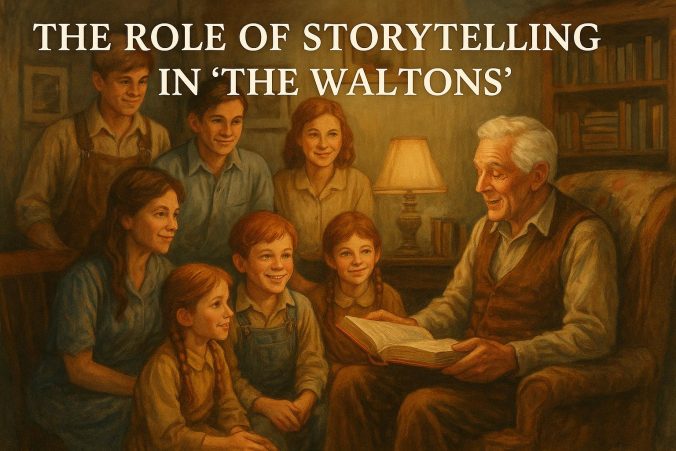
The storytelling theme is integral in illustrating and fostering family bonds. Family gatherings often involve the exchange of stories, which strengthens the connection among family members. The sharing of personal experiences and collective memories often leads to discussions about values, beliefs, and traditions, reinforcing family ties. This narrative element underscores the importance of family unity, which is a core value in The Waltons.

Family storytelling sessions are depicted as warm, communal events where each member has the opportunity to contribute their voice and perspective. These moments of sharing are depicted as vital in maintaining the continuity of the family’s identity and legacy. The process of storytelling becomes a ritual that nurtures relationships and bridges generational gaps.

Stories shared among family members often focus on perseverance, moral dilemmas, and personal victories, all of which contribute to the listeners’ understanding of who they are and where they come from. Through these narratives, the bond among family members is continually renewed and strengthened, emphasizing the importance of collective memory in building a resilient family unit.

Furthermore, these stories impart valuable life lessons to younger generations. By listening to the experiences and wisdom of their elders, the younger Waltons learn about the significance of integrity, resilience, and compassion. Storytelling becomes an educational tool that passes down essential values from one generation to the next, ensuring that the family’s legacy endures.

Conclusion

In conclusion, storytelling in The Waltons serves multiple overarching purposes that are essential to the show’s theme. By embedding storytelling within the narrative, the series not only entertains but also educates viewers about familial bonds, cultural preservation, and the historical backdrop of the time. The show’s success is partly due to its effective use of storytelling, which resonates with audiences who value the tradition of oral history and narrative sharing.

The storytelling in The Waltons provides a model for understanding the complex interplay between history, culture, and personal identity. As the characters share and reflect upon their experiences, viewers are invited to consider their own family histories and the stories that shape their lives. This reflective process aligns with the broader educational goals of the series, encouraging audiences to value and preserve their own narratives.

Ultimately, The Waltons demonstrates the enduring power of storytelling as a medium for connection, education, and preservation. Its legacy continues to influence contemporary storytelling, inspiring new generations to explore the rich tapestry of their own narratives and cultural heritage.

© 2026 Walton Museum

Theme by Anders Noren — Up ↑