The Importance of Extended Family in The Waltons
The Waltons, an iconic American television series, aired from 1972 to 1981, capturing the attention and hearts of many across the globe. It provided a lens into family life during two critical periods in American history: the Great Depression and World War II. The fictional setting, Walton’s Mountain in Virginia, acts as a backdrop for a nuanced exploration of relationships, especially within an extended family. This series masterfully portrays the socio-cultural fabric of the time by focusing on the intricacies of family life.
Depiction of Multigenerational Living
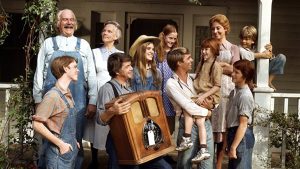
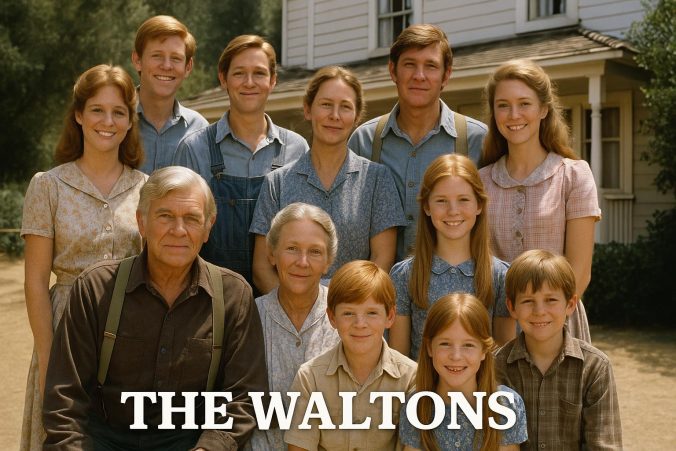
A standout feature of The Waltons is its vivid portrayal of a multigenerational household. This setup, consisting of grandparents Zebulon “Zeb” and Esther Walton, their son John Walton Sr., his wife Olivia, and their seven children, is a faithful representation of the economic and social dynamics of the period. During the Great Depression and prior to the economic boom post World War II, it was common for multiple generations to reside under one roof, predominantly for financial reasons. This cohabitation was not simply a matter of convenience—it was deeply rooted in cultural norms where familial ties ran strong, and elder wisdom was esteemed.
Influence of Grandparental Figures
The roles played by grandparents in The Waltons are crucial to the series’ narrative. Grandparents, especially the character of Zeb Walton, embody the voice of ancestral wisdom and experience. Zeb’s interaction with the younger family members often includes storytelling, sharing personal history, and offering guidance rooted in traditional values. His presence is decidedly patriarchal, not in an authoritarian sense but in terms of respect and the passing down of life lessons. Esther Walton, on the other hand, complements this by providing a steady moral compass and instilling discipline within the household. The grandparents do not merely exist on the periphery of family life; they are actively involved in nurturing the younger generations, serving as pillars of family stability.
Complex Tapestry of Interpersonal Relationships
The Waltons explores an array of complex interpersonal relationships that arise within an extended family. The series effectively captures the nuanced exchanges and emotions that characterize close-knit families. Conflict resolution, unconditional support, and the imparting of life lessons are threads that weave the family together. The show does not shy away from depicting the occasional tension that springs from differing generational viewpoints. The relationship between John Walton Sr. and his father Zeb often highlights a respectful negotiation between upholding tradition and adapting to modern ways. These narratives provide viewers with insight into the delicate balance families must maintain to evolve while staying connected to their roots.
Pivotal Family Gatherings and Traditions
Family gatherings in The Waltons are more than just social events—they are essential rites that strengthen familial ties. These events include shared meals, holiday celebrations, and various life ceremonies that emphasize unity and collective resilience. Such gatherings act as connectors across generations, bringing to life the essence of shared heritage and mutual dependency. Traditions, whether festive or routine, are focal points for the family, often steeped in cultural and generational continuity. By engaging in activities passed down through years, the Waltons illustrate the profound importance of generational legacies and cultural identity in maintaining solidarity and a sense of belonging.
Broader Implications and Analysis
Many resources are available for those interested in exploring the influence and enduring legacy of The Waltons. Academic journals, television studies, and media critiques often dive deeper into how the show has influenced perceptions of family life, community, and social values. By situating itself within the history of American television, The Waltons offers a template for understanding the impact of extended families on individual growth and community well-being.
The Resilience of Extended Families
The narrative arc of the extended family in The Waltons underscores an intrinsic resilience prevalent in such household structures. Despite external hardships brought by the economic depression and wartime challenges, the family manages a notable semblance of stability. This resilience is not born out of mere survival but is continually replenished by the support systems that come with having multiple generations close at hand. Emotional support, shared resources, and disseminated responsibilities enable the family to adapt and thrive under strenuous circumstances.
In conclusion, the portrayal of extended family in The Waltons serves as more than just entertainment. It allows viewers a glimpse into a familial arrangement that was not only a reality for many during the 1930s and 1940s but also portrays alternative frameworks for resilience, growth, and the invaluable nature of familial support systems. By chronicling the lives of the Walton family, the series encapsulates the rich textures of intergenerational relationships, adapting to change while honoring tradition, and reinforcing the enduring bonds that only family can provide.