Iconic TV show

Month: June 2026

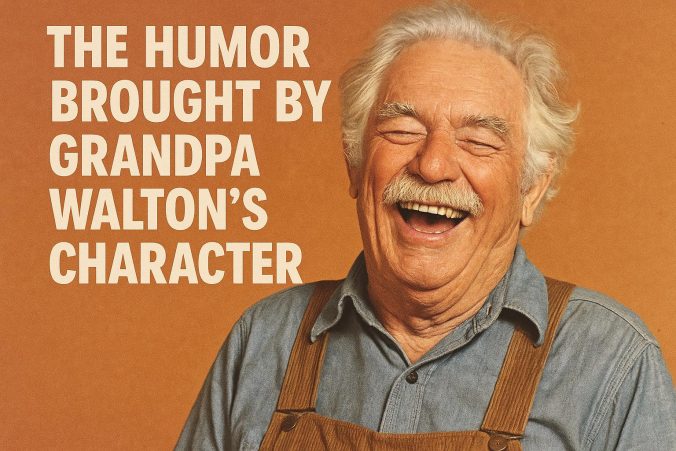
The humor brought by Grandpa Walton’s character.

The Complexity of Grandpa Walton’s Character

Grandpa Walton, known as Zebulon Walton and portrayed by the talented actor Will Geer, plays a deeply complex role in the television series “The Waltons.” His character is both a beacon of humor and a vital emotional anchor for the Walton family. The show, renowned for its meticulous depiction of life during the Great Depression, is vividly enriched by Grandpa Walton’s multidimensional personality. Particularly during a time marked by economic adversity and social turmoil, humor emerges as an essential lifeline, and Grandpa Walton exemplifies this through his nuanced comedic timing and insightful contributions to storyline dynamics.

The Subtle Humor of Grandpa Walton

The essence of Grandpa Walton’s humor lies in its subtlety and connection to the realities of family dynamics and the aging process. His humor is not merely for entertainment; instead, it reflects a deeper understanding and seasoned wisdom that often come through his clever, witty remarks. These observations, wrapped up in lighthearted banter, elevate him beyond a mere comic relief character. This subtle humor is tightly interwoven into family interactions, allowing Grandpa to assume the role of a wise elder who enjoys life while imparting meaningful insights.

One of the key features of his humor is its approachability and authenticity. Grandpa Walton uses a genuine, non-confrontational approach that blends well with various family contexts. His comedic style often prompts viewers to reflect on their familial relationships and the value of humor amidst life’s challenges.

Situational Comedy and Timing

The humor associated with Grandpa Walton primarily operates on situational comedy and precise timing. His contributions are strategically placed to align with the show’s narrative flow, creating moments of seamless comedic relief. Often, these well-timed jokes arise during scenarios where his age and wealth of experience, or his nature as a contrarian, enable the unfolding of entertaining scenes. Through situational comedy, Grandpa Walton’s character helps maintain an equilibrium, balancing the emotional gravity portrayed throughout the series with light, humorous interludes.

Such situational comedy is integral not only for entertainment but also for shifting the emotional tempo of episodes. His effortlessly timed humor often transitions scenes from a deeply emotional state to moments of laughter, fostering a dynamic and engaging viewing experience.

Role as a Family Patriarch

Within the family, Grandpa Walton holds the revered patriarchal position, with humor as the tool for connecting with family members. Through playful and humorous exchanges, he extends life lessons using a lighter perspective. The show frequently depicts scenes where Grandpa Walton diffuses tension with a joke or uses humor to soften the harsh realities the family faces. These moments underscore the genuineness of his character as a loving grandfather, guiding and supporting those around him.

His role as a patriarch goes beyond mere familial functions; it reflects cultural and historical contexts as well. During the Great Depression, families relied heavily on the wisdom of elders to navigate hardships. Grandpa Walton’s humor not only eases troubled times but also serves as a reminder of the resilience and strength inherent in family ties.

Contributing to the Show’s Legacy

Grandpa Walton’s role in “The Waltons” significantly contributes to the show’s lasting legacy. The humor he injects is a vital component of what makes the show timeless. As an element that intertwines resilience with familial bonds, his character remains a symbol of enduring appeal. Will Geer’s portrayal infused vibrancy into Grandpa Walton, embedding the character in audiences’ hearts and minds.

The grandparent archetype is universally recognized, but Grandpa Walton’s specific blend of humor and wisdom sets him apart. His ability to present complex life lessons wrapped in comedic elements resonates deeply, promoting the idea that humor is a potent force for healing and connection.

Overall, Grandpa Walton’s character achieves a harmonious balance between comedy and thematic storytelling. By consistently delivering humor that is intricately woven into everyday narratives, he stands out as a testament to how meaningful and engaging humor can transform and enrich the tapestry of daily life. The enduring relevance of Grandpa Walton’s character demonstrates the importance of humor as an essential aspect of storytelling, mirroring the complexities and joys of real life.
The humor brought by Grandpa Walton’s character.

The Unique Humor of Grandpa Walton’s Character

The character of Grandpa Walton, brought to life by the talented Will Geer, played a crucial role in the television series The Waltons. His unique brand of humor stood out as a soothing, yet dynamic element amidst the show’s exploration of life during the Great Depression and World War II. Utilizing witty commentary, light-hearted interactions, and a buoyant disposition, Grandpa Walton, also known as Zebulon Walton, often provided a comedic balance to the more serious and occasionally grim themes addressed in the series.

Dynamic Interactions with Family

Grandpa Walton’s comedic charm was most evident in his exchanges with family members. His interactions held a special spark, particularly with his wife Esther Walton and his grandchildren. His playful, yet genuine banter with Grandma Esther Walton lent humor to the series while injecting what felt like authenticity into their marriage. Through this loving yet teasing dynamic, viewers saw a realistic portrayal of marital life, where humor not only showed affection but also highlighted the occasional exasperation found in long-term relationships. This humor brought a refreshing dimension, allowing the audience to relate to a more nuanced portrayal of love and companionship.

The Element of Storytelling

One of Grandpa Walton’s defining traits was his storytelling ability, which was laced richly with humor. His stories, often exaggerated yet filled with vividness, aimed to entertain while subtly offering wisdom. This narrative style was emblematic of the oral traditions prevalent during the era, providing both amusement and an educational element for younger generations. His tales not only served as a method for imparting family history and moral lessons but also reinforced the importance of storytelling as a means of cultural transmission. Through amusing stories, the audience could glimpse family values and the rich heritage of Walton’s Mountain.

Light-Hearted Mischief

Grandpa Walton’s humor also found expression through light-hearted mischief, a recurring theme in his interactions, particularly with his grandchildren and neighbor Ike Godsey. These instances often involved minor pranks or humorous escapades, showcasing a youthful exuberance that belied his years. Through these escapades, Grandpa Walton revealed a playful nature that focused on the joy and simplicity of life, reminding viewers of the carefree elements that existed even during hard times. These plotlines added layers to the show’s narrative, demonstrating how even the seemingly mundane moments provided a counterbalance of joy against the backdrop of historical adversities.

Contextualizing Humorous Themes

Grandpa Walton’s humor was not merely a source of entertainment; it provided valuable context to the stories told in The Waltons. By offering comedic relief, he helped to lighten the series’ heavier themes, ensuring the portrayal of family life was varied and nuanced. Humor allowed audiences to connect with the characters on a more personal level, bridging the gap between the difficult external challenges and the resilience found within the family dynamics. Grandpa Walton’s humor functioned as a narrative tool, channeling an authentic display of life where laughter played a critical role in coping and resilience.

The Intergenerational Appeal

Grandpa Walton’s humorous approach held significant intergenerational appeal, striking a chord with audiences of all ages. The older generation could relate to his wisdom and life experiences, while younger viewers appreciated the mischievousness and playful demeanor he demonstrated, often contrasting it against the responsibilities of adult life. This ability to resonate across different age groups added depth to the storytelling, making the show appealing to a broad audience base. Such humor served as a timeless bridge, embracing diverse viewpoints while maintaining a consistent appeal that transcended generational boundaries.

Conclusion

In essence, Grandpa Walton’s humor was a distinctive characteristic that significantly enriched The Waltons, making the series relatable and endearing to its audience. By humanizing the characters and enhancing the show’s narrative depth, his humor contributed to the portrayal of a family that thrived despite the hardships of their time. The laughter and joy he injected into everyday situations reinforced the importance of humor in family dynamics, portraying how it can offer solace and continuity amidst life’s uncertainties. His compelling depiction by Will Geer ensured Grandpa Walton remains a beloved television character, fondly remembered for the vital role humor plays in navigating the intricacies of family life.

The humor brought by Grandpa Walton’s character.

The Role of Grandpa Walton in “The Waltons”

The character of Grandpa Walton, played by actor Will Geer, served as a cornerstone of the classic television show, “The Waltons.” Known for his wit and humor, Grandpa Walton added an essential layer of entertainment to the series’ dramatic narrative. The show, which aired from 1972 to 1981, detailed the lives of a rural family in Virginia during the Great Depression and World War II era.

A Source of Comic Relief

Grandpa Walton’s character often provided the necessary comic relief in the series. His humor was not just for laughs but was woven into the very fabric of the show as a means of highlighting the lighter side of the struggles faced by the Walton family. His jovial spirit and clever retorts frequently diffused tense situations, bringing a sense of warmth and optimism to otherwise serious circumstances. In many episodes, when the storyline touched on the challenges of the era, such as economic hardship or relationship strains, Grandpa Walton would inject his unique brand of humor to remind the audience of the resilience and enduring spirit of the human condition.

He often used humor to emphasize the importance of perspective. Life’s difficulties, no matter how severe, could be softened with a light heart and a smile. Through his interactions, Grandpa Walton encouraged both the characters and the audience to find joy in little things and remain hopeful. This approach not only provided moments of levity but also helped reinforce the core themes of family unity and perseverance in the series.

Quotes and Catchphrases

The humor from Grandpa Walton frequently stemmed from his well-timed sayings and catchphrases. His words were often imbued with wisdom wrapped in humor, contributing significantly to the show’s narrative depth. Geer’s delivery of these lines ensured that they were memorable, adding to his character’s enduring legacy. Phrases coined by Grandpa Walton often resonate with viewers, showcasing his understanding that humor could both educate and entertain.

His approach to life often included reminders about the importance of seizing the day and cherishing every moment. These sentiments, when delivered with a twinkle in his eye, not only reestablished his role as a source of knowledge but ensured that his humor was layered, influencing audiences to consider deeper meanings. Grandpa Walton used humor to teach valuable life lessons subtly, winning over many with his experienced yet playful wisdom.

Interactions with Other Characters

Grandpa Walton’s interactions with other characters were crucial to the humor he delivered. His playful banter with family members, especially John-Boy Walton, portrayed a backdrop of familial love and understanding. These interactions not only infused episodes with comedy but also illustrated the strong family bonds that “The Waltons” is celebrated for.

The moments shared with his wife, Grandma Walton, showcased a charming dynamic where differing viewpoints often led to light-hearted exchanges, capturing the essence of marriage filled with mutual respect and love. His relationships with other family members, from the younger siblings to the matriarch Olivia, were impactful, as they solidified the family’s tightly-knit image.

In scenes with John-Boy, in particular, viewers witnessed a blend of mentorship and camaraderie. Grandpa Walton’s humor often softened critical lessons about growing up, while his playful yet meaningful guidance helped shape John-Boy’s path. This helped in nurturing John’s intellectual curiosity and served as a moral compass, an anchor that ensured the character’s steady growth.

Impact of Geer’s Performance

Will Geer’s portrayal of Grandpa Walton was instrumental in bringing out the humor in the character. His experience in theater and film gave a unique authenticity to the role, ensuring that Grandpa Walton remained a beloved character in the hearts of audiences. Geer’s performance was pivotal in the show’s success, and his humor continues to be a vital part of its enduring appeal.

Geer’s ability to balance comedy with gravity lent depth to the character, distinguishing Grandpa Walton from caricatures often seen in family dramas. This balance allowed his character to be relatable to audiences from different walks of life. His approach to humor, rooted in genuineness and timing, coupled with his storytelling prowess, ensured Grandpa Walton’s place among television’s most beloved patriarchs.

Even beyond comedy, Geer’s portrayal highlighted significant themes of social justice and tolerance, mirroring the actor’s own life ideals. This layered approach did not just entertain; it educated, nurturing a deeper connection between the character and the audience. In effect, the character of Grandpa Walton became an instrument for wisdom and progressiveness, further amplified through Geer’s commitment to authenticity and excellence.

The legacy of Grandpa Walton, through Will Geer’s masterful performance, remains integral to the lasting charm of “The Waltons.” Each element, from comic timing to insightful dialogues, provided richness to the series, which viewers appreciated for how it mirrored the complexities of real life.

For more details on “The Waltons” series and its characters, you can visit dedicated fan sites or forums that discuss in-depth character analyses and episode summaries. These platforms offer insights into the show’s history and its cultural impact during its broadcast, underlining why it continues to receive admiration decades later.

Elizabeth Walton’s role as the youngest sibling.

Introduction to Elizabeth Walton

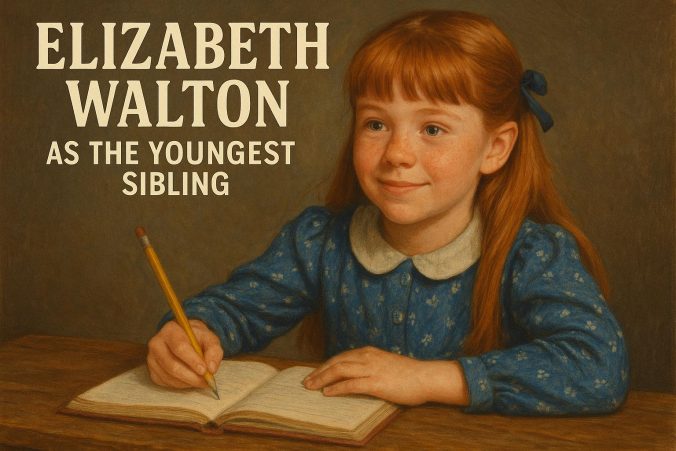
Elizabeth Walton is a central figure in the beloved American television series, “The Waltons,” which aired from 1972 until 1981. The series, adapted from Earl Hamner Jr.’s book “Spencer’s Mountain,” brings to life the everyday experiences of a rural family living in Virginia during the Great Depression and World War II. Elizabeth, as the youngest of the seven Walton children, is portrayed by the actress Kami Cotler, and she brings a unique vibrancy to the show’s portrayal of family life.

Character Overview

Elizabeth stands out as the youngest Walton child, contributing significantly to the fabric of the family and the series as a whole. Her character often provides a refreshing perspective that is both innocent and unaffected by the complexities encountered by her elder siblings and parents. Through Elizabeth’s eyes, the audience gets to experience the innocence and curiosity of childhood. This character’s journey is not just a depiction of personal growth but also an exploration of family and community interactions.

Unlike her older siblings who face adult dilemmas, Elizabeth’s obstacles are scaled to her age, reflecting simpler, yet no less meaningful concerns. These involve navigating childhood friendships, grappling with fears, and understanding the values inculcated by her family. The depiction of Elizabeth’s interaction with the world not only enriches her character but also provides an emotional anchor that connects various narrative threads of the series.

Role in Family Dynamics

Elizabeth’s role within the Walton family transcends that of the conventional youngest child archetype. Her presence prompts both protective instincts and a deep sense of responsibility in her older siblings. This layered dynamic enhances the theme of familial bonding that “The Waltons” so effectively portrays. Elizabeth serves as a catalyst for displaying family unity and the support systems inherent in the Walton household.

The interactions between Elizabeth and her siblings are characterized by a balance of guidance, playfulness, and mutual learning. Her relationships within the family accentuate the nurturing environment provided by the older Waltons. Through the lens of her relationships, viewers witness a cycle of care and guidance transferring from parents to eldest siblings and eventually to Elizabeth.

Character Development

As the series progresses, Elizabeth’s character growth is mapped carefully alongside historical events such as the Great Depression and World War II. This external backdrop paints a broader picture of her internal development from a candid, wide-eyed child into a more insightful and mature individual. The series adeptly handles Elizabeth’s progression by weaving her storylines with historical and societal shifts, adding depth to her development.

In various episodes, viewers observe Elizabeth tackling challenges typical of her developmental stage. Themes such as coping with change, understanding loss, and embracing maturity are interlaced with her day-to-day life. These story arcs not only enrich Elizabeth’s character but also provide valuable insights into the growth process that every individual undergoes.

Elizabeth’s experiences are articulated through key moments that symbolize the passage of childhood into adolescence. Whether she is dealing with personal fears or exploring new horizons, each situation is depicted with sensitivity and insight, providing lessons on resilience, curiosity, and growth. The balance of her evolving understanding with the realities of her environment marks a significant aspect of the series’ storytelling approach.

Conclusion

The character of Elizabeth Walton encapsulates the journey from innocence to maturity against the backdrop of a tumultuous historical period. Her portrayal in “The Waltons” is not merely about showcasing the innocence of childhood but highlights how this innocence influences and complements the larger family narrative. Through her character, the show succeeds in exploring the essence of growing up within a supportive and resilient family environment during challenging times.

Elizabeth’s interactions with her family provide a mirror to the broader themes of the series, reflecting the collective strength, perseverance, and love that binds the Walton family. Her growth is emblematic of the series’ ability to capture personal and familial evolution over time. As viewers engage with Elizabeth’s journey, they are reminded of the universal themes of childhood wonder, familial bonds, and the growth that emerges from life’s adventures and adversities.

The character of Elizabeth Walton not only enriches the narrative but also emotionally anchors the series, making “The Waltons” a timeless portrayal of family life against historical backdrops, resonating with audiences through its exploration of universal human experiences.

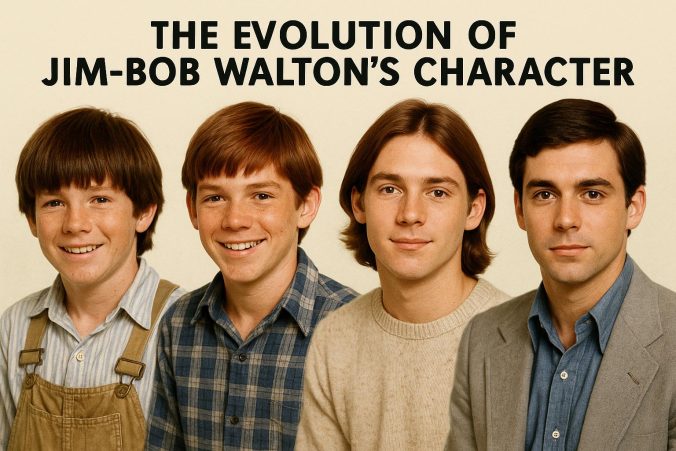
The evolution of Jim-Bob Walton’s character.

The Beginnings of Jim-Bob Walton

Jim-Bob Walton is a central character from the popular American television series The Waltons, which aired from 1972 to 1981. The show, set during the Great Depression and World War II, revolves around the Walton family living in rural Virginia. Jim-Bob, the youngest son of the Walton family, begins as an adventurous and energetic child, often involved in mischief. His character is initially depicted as mechanically inclined, with a curiosity for learning and an aspiration to be a pilot.

The Developing Mechanic

Jim-Bob’s passion for mechanics is a consistent thread throughout the series. As he grows older, his skills develop, and he becomes a proficient mechanic, often seen working on cars and machines. This interest not only defines his character but also serves as a way for him to contribute to the family, especially during times when mechanical work was crucial for sustenance.

During the era depicted in the series, mechanical skills were not only a hobby but a necessity. Families often repaired their own machinery and vehicles due to the economic conditions of the Great Depression, making Jim-Bob’s expertise valuable. His ability to fix and maintain the family’s equipment is showcased through various episodes, emphasizing his role within the family’s survival strategy. As automobiles became more prevalent during this period, his mechanical skills also became a bridge to social interactions, enabling him to form friendships and bonds through a shared interest in machinery.

Family Dynamics and Relationships

As the series progresses, Jim-Bob’s relationships with his siblings and parents evolve. Being the youngest son, he often finds himself in the shadows of his older brothers but still manages to carve out his own identity. His relationship with his parents, particularly with his mother Olivia, highlights a nurturing dynamic, whereas his interactions with his father, John Walton Sr., emphasize the importance of responsibility and hard work.

The Walton family is depicted as close-knit, with each member having a specific role. Jim-Bob, striving to be recognized, often attempts to step out of the roles defined by his older siblings. His older brother, John-Boy, is characterized by his pursuits in writing, while Jason is musically inclined. Jim-Bob’s distinct interest in mechanics allows him to define himself uniquely. The tension and love within the family dynamics highlight a universal theme of belonging and identity, resonating with audiences who understand similar familial pressures.

The Role of Adolescence and Ambition

Jim-Bob’s character is significantly shaped by the themes of adolescence and personal ambition. As he transitions from childhood to adulthood, he faces challenges that reflect his ambitions, such as his dream of flying. His desire to become a pilot and his interest in aviation are central to several storylines, showcasing his ambition beyond the confines of Walton’s Mountain. This drive often clashes with the family’s expectations and the realities of the time period.

Aviation during the time of the Great Depression and World War II represented not only technological advancement but also a symbol of freedom and progress. Jim-Bob, inspired by these ideals, often finds himself conflicted between his aspirations and his responsibilities at home. The series portrays his attempts to enlist in the Air Force and the hurdles he faces, reflecting a young man caught between personal dreams and societal expectations. This narrative also mirrors the aspirations of many young individuals at the time, who sought to break free from traditional roles and seek new horizons.

The Impact on Audiences

Jim-Bob Walton’s character has left a lasting impression on audiences, thanks in part to the relatable struggles of growing up and finding one’s place in the world. His journey from a mischievous boy to a responsible young adult resonated with viewers, making him a beloved character within the fabric of the series. The relatable nature of his ambitions and challenges allowed audiences to see parts of themselves in his story, contributing to his enduring popularity.

The blend of personal ambition and family loyalty depicted in Jim-Bob’s storyline often sparked reflections among viewers about their own lives. Whether it was the appeal of pursuing one’s dreams or the resonance of familial duty, his character encapsulated a universal life journey. This representation of a young boy transitioning into adulthood under the backdrop of historical events offered more than entertainment; it provided a lens through which viewers could examine their values and aspirations.

The portrayal of Jim-Bob by actor David W. Harper was pivotal in bringing authenticity to the character, making his evolution believable and heartfelt. As a result, Jim-Bob’s growth throughout the series is studied as part of television history, offering insights into character development and narrative structure in family-oriented television shows.

Jim-Bob Walton’s narrative continues to be a touchstone for discussions about media representations of adolescence, ambition, and familial relationships during challenging historical times. Through his character, The Waltons delivers a timeless examination of a young man’s journey toward adulthood, punctuated by the cultural and technological shifts of the 20th century. This rich tapestry of storytelling continues to captivate those interested in how fictional characters reflect and influence societal constructs.