Iconic TV show

Month: October 2026

The significance of farming in the Walton family’s life.

The Historical Context of Farming in the Walton Family

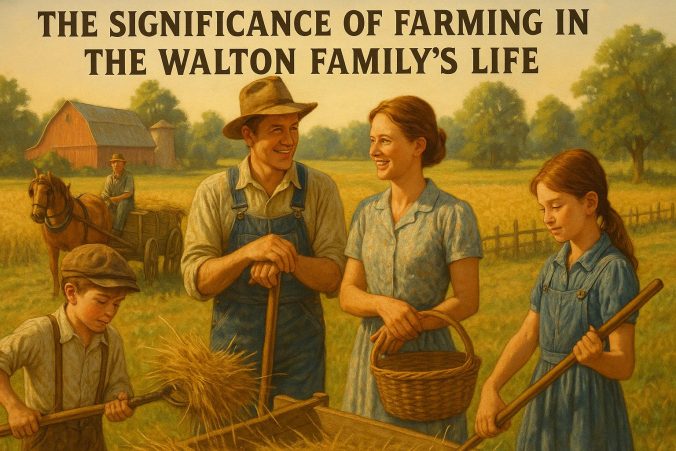
Farming has held a significant place in the Walton family’s life, intertwining with their lifestyle and values in profound ways. Historically, agriculture served as the family’s cornerstone, providing not only a means of livelihood but also shaping their identity.

The Role of Farming in Daily Life

For the Waltons, farming was more than just an occupation; it represented an entire way of living. Each day revolved around the cycles of nature, dictating their routines and family interactions. The responsibilities associated with planting, tending, and harvesting crops embedded a strong sense of discipline and work ethics within the family unit. As each task was dependent on the seasons, the Waltons had to be continually in tune with nature’s rhythms. This intrinsic connection with the land fostered adaptability and resilience, qualities that became hallmarks of the Walton family ethos.

Over the years, the Walton family developed traditions based on their farming lifestyle. Early mornings often witnessed family gatherings at the breakfast table, where plans for the day were discussed. Each member, irrespective of age, had tasks assigned based on both capability and necessity. For the younger members, this was an opportunity to learn responsibility early on. Such routines not only optimized farm productivity but also reinforced family bonds through shared responsibilities.

Economic Contributions

Farming contributed significantly to the Walton family’s economic stability. In many rural communities, agriculture acted as a primary economic driver, and for the Waltons, it was no different. The income generated from the sale of produce and livestock was essential in sustaining the household and funding necessary expenditures, from education to the upkeep of the farm itself. The ability to grow a variety of crops and rear livestock provided multiple revenue streams, which guarded against the risks associated with agricultural dependencies on a single crop or product. This diversity exemplified the strategic foresight and prudent management at play in the Walton household.

Investment in farm technology and adherence to innovative farming methods were pivotal in maximizing yields. With advancements in agricultural techniques and machinery, the family adapted over the generations, ensuring that their farming operations were optimized for efficiency and profitability. Consequently, the farm not only sustained them economically but also drove personal and communal development, becoming a source of pride and identity for the Walton family.

Educational Opportunities

Engagement in farming also enabled educational opportunities for the younger members of the Walton family. While direct involvement in daily farm operations provided a form of experiential learning, financial gains from agriculture made formal education attainable. This balance between practical skills and formal education offered the next generation diverse prospects beyond traditional farming roles. The Walton family’s commitment to education extended beyond immediate knowledge. It was seen as a tool not only for personal advancement but also for fostering innovation in farming practices.

Children learned on the fields, acquiring skills like problem-solving, resource management, and teamwork. These skills, honed through years of involvement in farm life, were complemented by the academic knowledge obtained from schooling. This combination prepared them to tackle more significant challenges and even explore non-farming careers, thus broadening their horizons and contributing to the ever-evolving dynamic of farm life.

Social and Cultural Influence

Farming influenced not only the economic aspect but also the social and cultural fabric of the Walton family. Community gatherings, often centered around agricultural events such as harvest festivals and county fairs, reinforced community ties and mutual support among farming families. These occasions played a critical role in maintaining the social structure and cultural heritage of rural life. The sense of community was reinforced by shared experiences of farm life, bringing the Waltons into closer collaborations with neighboring families.

These gatherings allowed for the exchange of ideas, farm techniques, and products, fostering a spirit of collaboration and support. Important life events and family milestones were often publicly celebrated during these social gatherings, reinforcing communal ties. The Waltons’ identity, intrinsically tied to their farming roots, thus evolved to include an element of cultural preservation, ensuring that traditions and knowledge were passed down through generations.

Sustainability and Future Prospects

As time progressed, members of the Walton family began exploring sustainable farming practices, ensuring the preservation of their lands for future generations. This shift emphasized not only economic viability but also environmental stewardship, underlining a commitment to maintaining the ecological balance. The transition towards sustainable practices was driven by a deep-seated understanding of the environmental challenges posed by modern agriculture. The family invested in soil conservation methods and water management techniques, recognizing the need to protect these fundamental resources.

By adopting crop rotation, natural fertilizers, and other eco-friendly agricultural practices, the Waltons not only enhanced soil fertility but also contributed to the broader goal of environmental conservation. Sustainability became a key component of the Walton legacy, reflecting a forward-thinking approach to farming that acknowledged the growing need for environmental responsibility in agricultural practices.

In summary, farming was a multi-dimensional influence in the Walton family’s history. It provided economic means, educational opportunities, and a platform for cultural and social engagement, all of which continued to shape their values and lifestyle well into the future. The legacy of the Walton family illustrates a unique relationship with farming that embraces both tradition and innovation, ensuring its relevance and sustainability for future generations. To learn more about sustainable farming practices, visit Sustainable Agriculture.
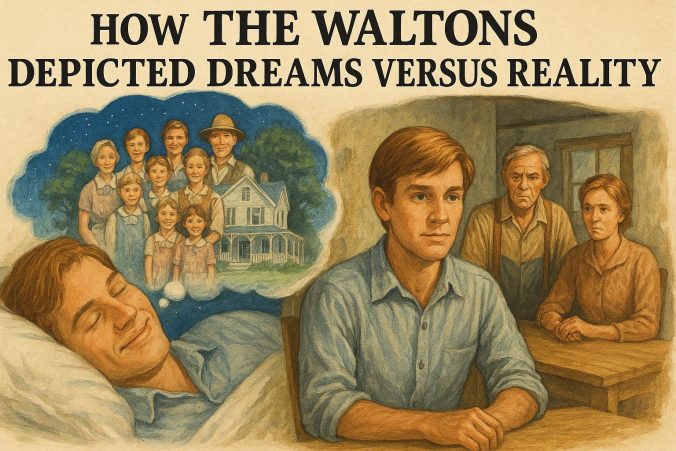
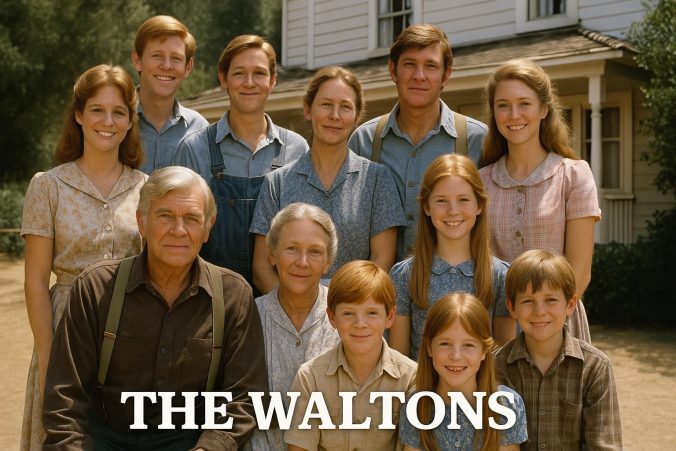
How The Waltons depicted dreams versus reality.

The Waltons: A Blend of Dreams and Reality

“The Waltons,” a cherished American television series that graced screens from 1972 to 1981, is famed for its genuine and heartwarming portrayal of a family navigating the challenges of the Great Depression and World War II. Set against the backdrop of rural Virginia, the series intricately weaves dreams and reality through the everyday experiences of the Walton family.

Idealistic American Life

In “The Waltons,” the family is depicted with an idealistic vision of American life during trying times. The series deftly focuses on themes of love, familial connections, and community engagement as the family muddles through life’s hurdles. Their home is portrayed as a safe haven where the warmth of strong family bonds offers solace amid the harsh realities that lurk beyond its walls. This depiction serves as both a nostalgic reflection on values that resonate deeply with many viewers and a comforting reminder of the power of unity and perseverance.

Dreams of the Walton Family

The series intricately explores the aspirations and dreams harbored by various family members, standing as a testament to the enduring human spirit. One of the most significant characters, John-Boy Walton, the eldest son, harbors dreams of becoming a celebrated writer. His journey towards achieving this goal forms a recurring theme, effectively illustrating the pursuit of personal aspirations amid life’s challenges. This narrative not only underscores the importance of individual dreams but also inspires audiences to nurture their aspirations, regardless of obstacles.

Community Support

Beyond individual dreams, “The Waltons” places significant emphasis on the importance of community support. The robust sense of community in Walton’s Mountain showcases how collective determination and solidarity can help shape dreams into reality. Neighbors and friends frequently rally to provide support, drawing parallels to real-life situations where community support networks become indispensable. This narrative thread highlights the profound impact that community solidarity can have in overcoming adversity and fulfilling shared goals.

The Stark Reality

While the series invokes dreams and aspirations, it does not shy away from representing the realities of the times. The economic struggles characteristic of the Great Depression, the tribulations of wartime, and the everyday challenges faced by rural families form crucial elements of the storyline. The series expertly balances the depiction of dreams with the often stark realities of the 1930s and 1940s, offering a holistic view of resilience in the face of adversity.

The Economic Struggles

Economic adversities frequently test the tenacity of the Walton family. John Walton Sr., the family patriarch, toils at his lumber mill to provide for the family, underscoring the daunting realities many families confronted during the Great Depression. These experiences, while challenging, ultimately fortify the family’s resolve, driven by their shared hopes and dreams. The series poignantly depicts how perseverance and hard work can help families endure economic turmoil, offering an insightful reflection on the human capacity for resilience.

The Interplay of Dreams and Reality

Through its nuanced storytelling, “The Waltons” adeptly intertwines the dreams of its characters with the stark realities of their circumstances. The show’s creators skillfully depict how visions of a brighter future can inspire individuals to persevere, even amid seemingly insurmountable adversity. This intertwining serves as a potent reminder of the importance of dreams in providing hope and guiding people through challenging times.

In its careful depiction of the Walton family’s journey, the show presents a narrative that resonates with viewers across generations. It captures the timeless essence of aspiration intertwined with reality, serving as a tribute to the enduring human spirit. “The Waltons” remains a culturally significant touchstone, reflecting the values and struggles of an era while celebrating the enduring strength of familial and communal bonds. For those interested in exploring the themes present throughout “The Waltons,” resources and further insights are available on reputable platforms such as IMDb, offering detailed exploration of the show’s episodes and complex character dynamics.

The portrayal of extended family in The Waltons.

The Importance of Extended Family in The Waltons

The Waltons, an iconic American television series, aired from 1972 to 1981, capturing the attention and hearts of many across the globe. It provided a lens into family life during two critical periods in American history: the Great Depression and World War II. The fictional setting, Walton’s Mountain in Virginia, acts as a backdrop for a nuanced exploration of relationships, especially within an extended family. This series masterfully portrays the socio-cultural fabric of the time by focusing on the intricacies of family life.

Depiction of Multigenerational Living

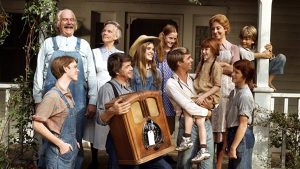
A standout feature of The Waltons is its vivid portrayal of a multigenerational household. This setup, consisting of grandparents Zebulon “Zeb” and Esther Walton, their son John Walton Sr., his wife Olivia, and their seven children, is a faithful representation of the economic and social dynamics of the period. During the Great Depression and prior to the economic boom post World War II, it was common for multiple generations to reside under one roof, predominantly for financial reasons. This cohabitation was not simply a matter of convenience—it was deeply rooted in cultural norms where familial ties ran strong, and elder wisdom was esteemed.

Influence of Grandparental Figures

The roles played by grandparents in The Waltons are crucial to the series’ narrative. Grandparents, especially the character of Zeb Walton, embody the voice of ancestral wisdom and experience. Zeb’s interaction with the younger family members often includes storytelling, sharing personal history, and offering guidance rooted in traditional values. His presence is decidedly patriarchal, not in an authoritarian sense but in terms of respect and the passing down of life lessons. Esther Walton, on the other hand, complements this by providing a steady moral compass and instilling discipline within the household. The grandparents do not merely exist on the periphery of family life; they are actively involved in nurturing the younger generations, serving as pillars of family stability.

Complex Tapestry of Interpersonal Relationships

The Waltons explores an array of complex interpersonal relationships that arise within an extended family. The series effectively captures the nuanced exchanges and emotions that characterize close-knit families. Conflict resolution, unconditional support, and the imparting of life lessons are threads that weave the family together. The show does not shy away from depicting the occasional tension that springs from differing generational viewpoints. The relationship between John Walton Sr. and his father Zeb often highlights a respectful negotiation between upholding tradition and adapting to modern ways. These narratives provide viewers with insight into the delicate balance families must maintain to evolve while staying connected to their roots.

Pivotal Family Gatherings and Traditions

Family gatherings in The Waltons are more than just social events—they are essential rites that strengthen familial ties. These events include shared meals, holiday celebrations, and various life ceremonies that emphasize unity and collective resilience. Such gatherings act as connectors across generations, bringing to life the essence of shared heritage and mutual dependency. Traditions, whether festive or routine, are focal points for the family, often steeped in cultural and generational continuity. By engaging in activities passed down through years, the Waltons illustrate the profound importance of generational legacies and cultural identity in maintaining solidarity and a sense of belonging.

Broader Implications and Analysis

Many resources are available for those interested in exploring the influence and enduring legacy of The Waltons. Academic journals, television studies, and media critiques often dive deeper into how the show has influenced perceptions of family life, community, and social values. By situating itself within the history of American television, The Waltons offers a template for understanding the impact of extended families on individual growth and community well-being.

The Resilience of Extended Families

The narrative arc of the extended family in The Waltons underscores an intrinsic resilience prevalent in such household structures. Despite external hardships brought by the economic depression and wartime challenges, the family manages a notable semblance of stability. This resilience is not born out of mere survival but is continually replenished by the support systems that come with having multiple generations close at hand. Emotional support, shared resources, and disseminated responsibilities enable the family to adapt and thrive under strenuous circumstances.

In conclusion, the portrayal of extended family in The Waltons serves as more than just entertainment. It allows viewers a glimpse into a familial arrangement that was not only a reality for many during the 1930s and 1940s but also portrays alternative frameworks for resilience, growth, and the invaluable nature of familial support systems. By chronicling the lives of the Walton family, the series encapsulates the rich textures of intergenerational relationships, adapting to change while honoring tradition, and reinforcing the enduring bonds that only family can provide.

The challenges faced by Mary Ellen Walton.

Introduction

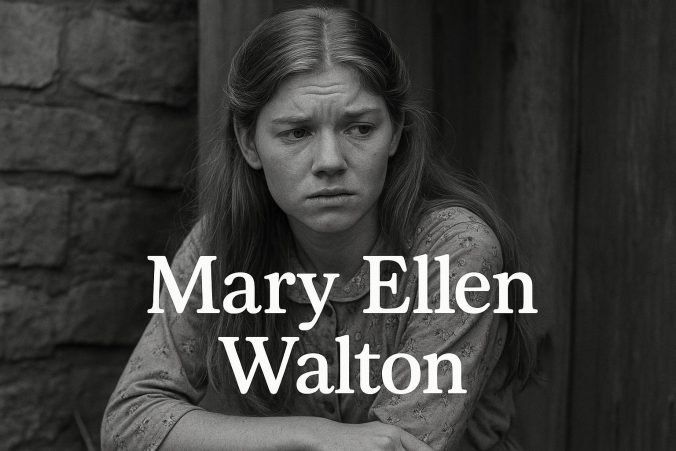
Mary Ellen Walton is a central character from the renowned American television series, “The Waltons,” which captivated audiences from 1972 to 1981. The series is set against the backdrop of the Great Depression and World War II, chronicling the lives of the Walton family in rural Virginia. Mary Ellen, as the eldest daughter, is portrayed navigating a myriad of challenges as she matures from a young girl into a woman.

Balancing Family Responsibilities

Mary Ellen’s journey is characterized by her ongoing struggle to balance family responsibilities. As the eldest daughter in the Walton household, Mary Ellen naturally assumes a caretaker role. Her responsibilities include assisting her mother, Olivia Walton, in managing household tasks and taking care of her younger siblings. This expectation places a considerable amount of pressure on her, often compelling her to place familial obligations above her individual aspirations. The weight of these duties can be a formidable burden for someone in the formative years of their life.

Being part of a large family, Mary Ellen frequently finds herself in situations where she must juggle her duties at home with her desire to pursue personal interests. During a time when societal norms dictated specific gender roles, she often had to navigate the tightrope of fulfilling her familial duties while nurturing her personal ambitions. This balance is not merely a recurring challenge for Mary Ellen; it is an enduring theme throughout the series, illustrating the broader struggles faced by women of that era.

Pursuing Education and Career Ambitions

Parallel to her family commitments, Mary Ellen is equally determined to pursue her educational and career goals, often venturing into areas that were predominantly occupied by men during that period. She harbors a profound interest in the field of medicine, leading her to pursue a career as a nurse. This decision is emblematic of her strong-willed character, demonstrating her willingness to challenge societal norms and expectations. Her journey into nursing not only sets her apart but also signifies a progressive step in a time characterized by rigid gender roles.

Mary Ellen’s entrance into the professional world of healthcare underscores her tenacity and determination. She encounters various obstacles, both societal and personal, as she strives to establish herself within her chosen field. These challenges reflect broader themes of empowerment and the quest for professional fulfillment, which were significant issues for many women during the 20th century. Mary Ellen’s aspirations and achievements serve as a testament to her resilience and ambition.

Facing Personal Tragedies

Amidst her professional and familial responsibilities, Mary Ellen encounters significant personal tragedies that further test her resilience and fortitude. One of the most significant and heart-wrenching events in her life is the death of her husband, Curtis Willard, during World War II. This tragic loss has a profound impact on Mary Ellen, thrusting her into the unfamiliar and challenging role of widowhood. It is a defining moment in the series, highlighting her strength in navigating through the ensuing emotional and practical difficulties.

The loss of Curtis not only affects Mary Ellen personally but also alters the dynamics of her family life. As she processes her grief, she must also attend to the needs of her young son, John Curtis Willard, ensuring his well-being amidst the turbulence. This ordeal epitomizes the show’s recurring exploration of loss and resilience. Mary Ellen’s journey through this personal tragedy offers viewers insights into the broader experiences of women who endured similar hardships during this historical period.

Adjusting to Changing Times

Throughout the series, Mary Ellen must consistently adapt to the changing times. The fluctuating social and cultural dynamics of America during the 1930s and 1940s bring forth both new opportunities and challenges. Whether it involves embracing new familial roles, adjusting to technological advancements, or adapting to the evolving societal norms, Mary Ellen’s journey is emblematic of adaptability and growth.

Her ability to navigate these shifts is continually put to the test, symbolizing a period of transformation not only for her personally but for society as a whole. As she evolves with the times, Mary Ellen learns to reconcile her traditional upbringing with the changing attitudes and expectations of the modern world. Her story reflects the adaptation and resilience prevalent in the lives of many women during this era.

Conclusion

The narrative of Mary Ellen Walton is intricately woven into the historical fabric of the 20th century, addressing universal themes of familial duty, personal ambition, and resilience in the face of adversity. The challenges she faces, though shaped by the contextual backdrop of the era, resonate with the broader struggles and triumphs experienced by women at that time. Mary Ellen’s journey is a poignant reflection of the broader societal transformations occurring during the Great Depression and World War II.

Through her experiences, the series “The Waltons” offers a lens into the lives of women navigating the complexities of that period. Mary Ellen’s character serves not only as an anchor for these themes but also as an inspiration for understanding the perseverance and strength required to overcome such challenges. Her story continues to captivate audiences, inviting exploration of the layered and nuanced portrayal of women’s roles during a transformative epoch in American history. For more information on Mary Ellen Walton’s life and challenges, you may explore related content in greater detail.

© 2026 Walton Museum

Theme by Anders Noren — Up ↑