The Waltons and Moral Dilemmas
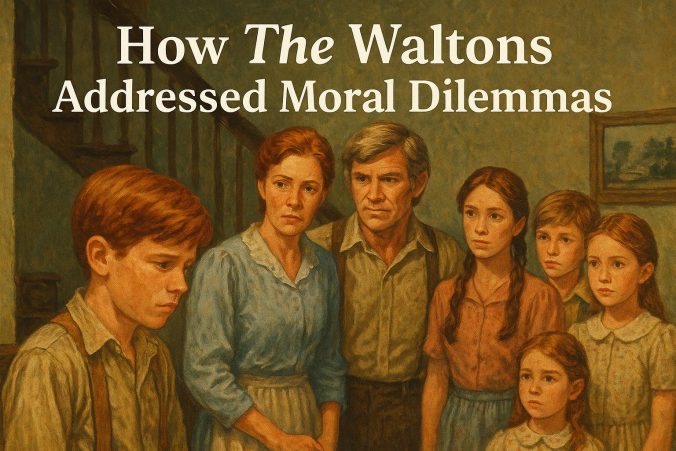
The American television series The Waltons, which aired from 1972 to 1981, has been notably emblematic of a period wherein families across the United States faced numerous socioeconomic challenges. Set against the backdrop of the Great Depression and extending into World War II, the series keenly delved into several moral dilemmas, confronting the Walton family and, by extension, their broader community. The creators of the show crafted these narratives not simply to entertain, but to impart timeless lessons on morality, emphasizing the vitality of strong family values and the steadfast maintenance of integrity during trying times.
Insights into Family Values
The Waltons was conceptualized by Earl Hamner Jr., a writer whose own familial experiences served as the foundational cornerstone for the show’s narratives. His intention was to infuse each episode with moral queries and lessons that the audience could grapple with and learn from. Representations of situations that required understanding, patience, and familial support stood at the center of these stories. For audiences who regularly tuned in, each episode was not just a snippet of early 20th-century rural American life, but also a reflection and reinforcement of ethical standards that have withstood the test of time.
Depictions of Honesty and Integrity
Honesty and integrity frequently surfaced as thematic pillars in The Waltons. This was a conscious effort to underscore the vitality of truth, even in circumstances that complicated honesty. The narrative fabric of the show was woven with instances where characters faced moments of temptation, dilemmas, or intense pressures to deviate from the truth. At times, telling the truth appeared synonymous with conflict and personal loss. Yet, these storylines consistently concluded with an affirmation of the importance of holding fast to one’s principles. This steadfast commitment to truth was a key factor in why the show resonated so profoundly with its audience, cultivating an understanding that, irrespective of quandaries faced, integrity remains non-negotiable.
Dealing with Prejudice
Another significant moral issue broached by The Waltons was the topic of prejudice, portrayed in various guises—ranging from race and social class to religious divergences. The show often spotlighted instances where prejudices could surface and proposed a compassionate counter-narrative, embodied by the Waltons who invariably adopted a stance of acceptance and broad-mindedness. Such portrayals were intended to urge the audience away from knee-jerk prejudice responses, fostering instead a spirit of empathy and understanding. The show thus not only reflected societal evolutions regarding these issues but also prompted personal introspection and growth among its viewers.
Conflict Resolution and Community Values
Central to the existence of any community, and prominently showcased in The Waltons, was the art of conflict resolution. Conflicts, whether subtle disagreements within the familial sphere or larger contentions involving community figures, underscored several episodes. The narrative demonstrated that through open dialogues and compromise, disputes could be amicably and productively resolved. This approach embodied a broader principle of maintaining peace and fostering unity. The longstanding support of the community, represented through these resolutions, emphasized the indispensable role of community kinship and common values, urging greater responsibility in upholding them both in personal and communal contexts.
Loyalty and Commitment
Loyalty emerged as a crucial theme, intricately woven into the lives of the series’ characters. The Walton family, notably, was often depicted grappling with situations that demanded a choice—between personal desires and the pull of family and friendship loyalty. These narratives artfully illustrated that loyalty sometimes necessitated personal sacrifices. A familial or friendly commitment, despite its potential difficulty, was depicted as an indelible component of life. Personal goals were at times deferred to ensure that loyalty was not compromised, serving as a vivid portrayal of the strength found in these human commitments and relationships.
Conclusion
Undoubtedly, the moral dilemmas intricately analyzed in The Waltons have a timelessness that continues to resonate with audiences in modern-day societies. The fictional yet profound stories served and continue to serve as a mirror, reflecting fundamental guidance on ethical challenges. At their core, these narratives reinforce the belief that virtues such as honesty, integrity, tolerance, and loyalty are critical to living a well-rounded, principled life. For those seeking to delve deeper into these themes, reviewing episodes of The Waltons could provide further insights. The show remains accessible to contemporary audiences, available on various streaming platforms, providing ample opportunity for introspection and appreciation of these enduring moral lessons.