The Storytelling Impact of the Mountain Setting
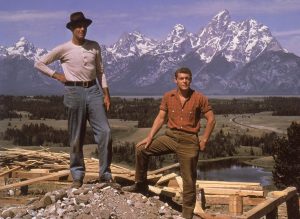
The setting of a story plays a crucial role in shaping its narrative and the portrayal of its characters. Among the various settings available, the mountain landscape offers unique storytelling possibilities. Mountains, with their grandeur and isolation, can influence the tone, mood, and themes of a story in numerous ways.
The mountain environment in literary works serves as far more than just a backdrop; it acts as a vital component that deeply influences the story’s progression and thematic undertones. Characters interacting with the mountain landscapes are often portrayed as facing formidable challenges that mirror their internal journeys. This complex interplay between characters and their settings enhances the richness of the narrative and underscores the thematic elements woven into the plot.
Symbolism and Themes
Mountains are often symbolic in literature and can represent various themes such as ambition, spirituality, and isolation. The ascent of a mountain can symbolize personal growth or a character’s pursuit of a lofty goal. This is evident in canonical literature and modern storytelling alike, where the mountain journey can represent both physical and metaphysical challenges. For more insights into symbolism in literature, you can explore the topic further here.
The symbolism attached to mountains is diverse. In many narratives, climbing a mountain is not only about overcoming physical barriers but also about achieving enlightenment or reaching new insights about life. Such symbolism is rooted in ancient mythologies and religious beliefs where mountains stand as sacred places. For instance, Mount Sinai in biblical texts and Mount Olympus in Greek mythology are not mere geographical features but laced with profound religious and mythological affiliations.
Isolation and Introspection
One of the most compelling aspects of a mountain setting is its ability to isolate characters from the outside world. This isolation serves as a tool for introspection, forcing characters to confront their inner conflicts and personal dilemmas. The secluded environment provides an opportunity for deeper character development, offering the reader insights into the protagonists’ struggles and transformations.
Isolation in the mountains can be both physical and psychological. A character in such settings experiences a sense of aloneness that compels them to reflect on their beliefs, desires, and fears. This forced introspection often leads to a transformative experience, marking pivotal points in the plot. Such settings enable authors to explore themes of solitude and the human spirit’s resilience when faced with overwhelming odds.
Conflict and Survival
From a narrative perspective, mountains introduce natural elements that can heighten conflict and tension within a story. The challenges of harsh weather, rugged terrain, and limited resources can act as formidable antagonists, testing the resilience and adaptability of characters. The mountain setting thus becomes a stage for survival against the odds, providing a backdrop for suspenseful and engaging storytelling.
Stories set in mountains often leverage the harshness of the environment to push characters to their limits. Encountering relentless storms, battling the thin air at high altitudes, and navigating treacherous paths all serve as metaphors for the internal struggles characters face. Such environments demand not only physical endurance but also mental fortitude, allowing authors to showcase their characters’ growth and evolution.
Influence on Atmosphere and Tone
The atmospheric elements associated with mountains play a significant role in establishing the tone of a story. The changing weather patterns, vast landscapes, and varying altitudes contribute to creating an immersive and dynamic environment. Whether a story is set amidst snow-covered peaks, lush green valleys, or rocky cliffs, the mountain environment can evoke feelings of awe, danger, or tranquility, shaping the reader’s emotional experience.
Mountain environments are inherently dynamic due to their ever-changing nature. The unpredictable weather and shifting landscapes can reflect the narrative’s emotional currents and add to the suspense or serenity of the story. For instance, a tranquil sunrise over a mountain range can symbolize hope and new beginnings, while a brewing storm may forewarn of impending turmoil or adversity.
Cultural and Historical Context
Mountains are also rich in cultural and historical significance. Different cultures have ascribed varied meanings and stories to mountains, often considering them as sacred or imbued with spiritual importance. Utilizing these cultural contexts within a story can add layers of depth and authenticity, engaging readers with historical or cultural narratives intertwined with the primary storyline. Comprehensive resources on the cultural significance of mountains can be found here.
Incorporating cultural tales and historical contexts can greatly enrich a narrative. By weaving in local legends or historical events related to a particular mountain, authors can provide a multidimensional backdrop that enhances the story’s setting. This approach not only adds depth but also educates readers on the diverse beliefs and histories associated with mountain landscapes.
Conclusion
In conclusion, the mountain setting offers a plethora of opportunities for literary exploration. Whether utilized as a symbol of ambition, a site of introspection, a backdrop for survival, or a culturally significant locale, mountains can enhance the narrative complexity and depth of a story. By understanding and leveraging these elements, authors can craft compelling and meaningful narratives that resonate with audiences on multiple levels.
The majestic and multifaceted nature of mountains makes them an impeccable choice for settings in literature. Embodying a wide array of themes and moods, mountains can serve as powerful drivers in storytelling, making them indispensable tools for authors aiming to craft immersive and thought-provoking narratives. As readers traverse through such tales, the mountain, whether as an obstacle or a sanctuary, continues to capture the imagination and enrich the literary experience.