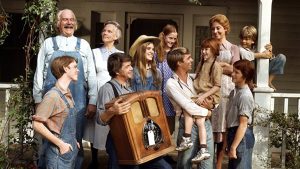
The Waltons: Balancing Personal Dreams and Family Duties
The Waltons is a classic American television series that aired from 1972 to 1981. Set during the Great Depression and World War II, the series focuses on the Walton family as they navigate the challenges of rural life in Virginia. Among the primary themes of the show is the struggle to balance personal dreams with family duties, providing a rich tapestry of storylines that explore this delicate equilibrium.
John-Boy Walton: Aspiration vs. Responsibility
One of the central characters, John-Boy Walton, exemplifies the tension between personal ambition and familial obligation. As an aspiring writer, he dreams of pursuing higher education and establishing a career outside the confines of his family’s mountain home. However, the economic hardships faced by the Walton family often place him in situations where he must weigh his personal ambitions against his responsibilities at home.
John-Boy’s struggle is illustrated in various episodes where he is torn between attending college and supporting his family financially. This conflict highlights the sacrifices many individuals make when personal goals must be set aside for the greater good of the family unit. John-Boy’s character development is a poignant representation of the struggles young adults face when their individual aspirations clash with family expectations. More information about John-Boy’s journey can be found in detailed episode guides and related resources.
Olivia Walton: The Matriarch’s Dilemma
Olivia Walton, the mother of the Walton family, also embodies the struggle between personal dreams and family duties. While her primary role is as a caretaker and homemaker, Olivia occasionally nurtures her own aspirations, such as her involvement in community activities and personal hobbies. Her character provides insight into the often-unacknowledged desires of women in the early 20th century, who faced societal expectations to prioritize familial responsibilities over personal ambitions.
Olivia’s character development throughout the series offers viewers a nuanced exploration of the choices women of her era were compelled to make, which can be further explored in various books and articles about the show’s impact. Olivia’s journey reflects the universal theme of self-discovery. Through her character, the series also sheds light on the silent dilemmas that women often faced, adding more depth to the narrative.
Other Family Members’ Experiences
The theme of balancing personal and family responsibilities extends beyond John-Boy and Olivia. Every Walton family member grapples with their versions of this dilemma. For instance, John Walton Sr., the family patriarch, grapples with maintaining the family livelihood through his sawmill business while also nurturing his dreams for the family’s future prosperity.
Additionally, the younger Walton children’s experiences illustrate moments of conflict between school ambitions, friendships, and their roles within the family. Each character’s story contributes to the communal dynamic of the family. The show portrays how individual aspirations intersect with shared responsibilities, offering a comprehensive view of familial strife and sacrifice.
The grandparents, Zeb and Esther Walton, add another layer to this theme. Zeb’s wisdom and life experiences occasionally highlight his former dreams and the choices he had to make, juxtaposing the generational differences in handling personal ambitions. Similarly, Esther’s life choices and her role as the family matriarch further explore how women’s roles were perceived across different eras.
Combined Family Efforts
The Walton family’s storylines are also united by the underlying theme of teamwork. Every family member, despite personal dreams, finds common ground in prioritizing family well-being. This collective effort is a defining characteristic of the series, illustrating the strength derived from shared responsibilities and sacrifices. Together, they embrace the values of cooperation, perseverance, and love, which serve as a backbone for their communal life.
Through crises and triumphs, the show depicts the significance of nurturing family bonds to achieve both individual and collective goals. The collaboration among the family members is portrayed in various scenarios, from surviving economic downturns to thriving through mutual support. This element resonates deeply with audiences, reinforcing the idea that family units are a source of inspiration and strength, even in times of personal conflict.
Conclusion
The Waltons poignantly illustrates the universal struggle of balancing personal dreams and family duties—a theme that resonates with audiences both during its original airing and in contemporary times. By presenting these stories through the lens of an intergenerational family, the series offers a comprehensive examination of the sacrifices and compromises inherent in navigating aspirations within the context of family life.
The series’ relevance remains steadfast in modern times, perhaps even more so, as it continues to resonate with diverse audiences facing similar struggles between personal ambitions and familial responsibilities. It serves as a reminder that, despite changing contexts and times, the core values of family, sacrifice, and love remain timeless, providing hope and guidance to countless individuals navigating their paths.
For further exploration on this subject, a variety of analyses and commentaries are available that delve deeper into the show’s intricate storytelling. Through dissecting The Waltons, viewers can gain valuable insights into the balances and imbalances we all face in life’s ongoing journey between aspiration and responsibility.