Introduction to Health and Illness in The Waltons
“The Waltons,” a beloved American television series, offered a compelling portrayal of life during the Great Depression and World War II. Among the many themes explored in the show, health and illness played significant roles. The series presented various medical challenges, reflecting the historical context and highlighting the resilience and resourcefulness of the Walton family.
Health Challenges of the Era
In the time period depicted in “The Waltons,” access to healthcare was often limited, particularly in rural areas. This lack of resources was a recurring theme in the series, as the family faced various medical issues without the conveniences of modern medicine. These challenges were emblematic of the era’s broader societal struggles, wherein families like the Waltons frequently had to navigate health setbacks using whatever means were available to them.
Managing Common Illnesses
The series frequently depicted the Walton family’s approach to handling everyday health problems like colds, fevers, and minor injuries. Without the widespread availability of pharmaceuticals, the Waltons relied on home remedies and practical knowledge passed down through generations. Herbal teas, poultices, and other traditional methods were staples in their arsenal against common ailments. This portrayal not only served to educate viewers about traditional practices but also provided insight into the self-sufficiency that was necessary during that historical period.
Resourcefulness in Critical Situations
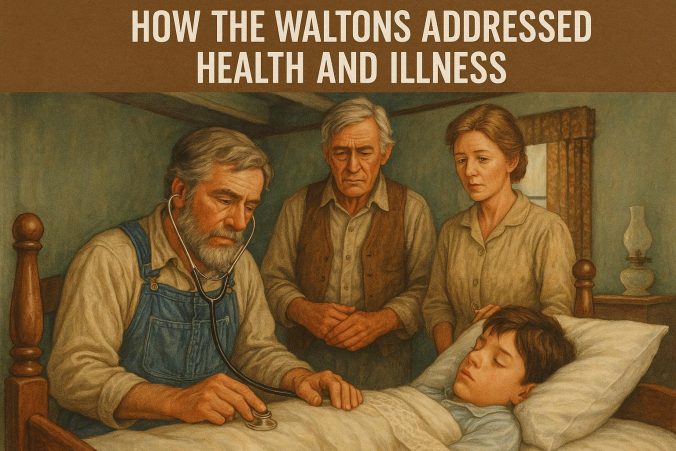
Resourcefulness was a key trait displayed by the Waltons in more serious medical scenarios. More serious illnesses and accidents showcased the Walton family’s ingenuity and community spirit. While the local doctor provided much-needed expertise when available, the show often highlighted the need for self-reliance. For instance, in episodes featuring outbreaks or critical injuries, the family and their neighbors came together to provide care, underscoring the importance of community support. The cooperative effort within the community was indispensable; neighbors shared remedies and offered assistance, reflecting a collective resilience that went beyond individual family units.
Significant Storylines Involving Health
Several episodes of “The Waltons” featured plots centered around health challenges, such as the scarlet fever outbreak or John-Boy’s serious head injury. These stories provided insight into the emotional and logistical challenges of dealing with significant health issues in an era without modern healthcare infrastructure. They also emphasized themes of perseverance and familial strength. For instance, John-Boy’s head injury storyline was not only a dramatic element of the series but also a poignant exploration of how a family’s love and commitment could act as a healing force. Such narratives shed light on how families coped with limited medical knowledge and access to expert healthcare, thereby illustrating the broader societal impacts of the period’s medical limitations.
Conclusion
“The Waltons” effectively illustrated the realities of health and illness during the early 20th century. By addressing these themes within its narrative, the series not only provided entertainment but also offered a window into the complexities of medical care in a bygone era. Through the depiction of the Walton family’s experiences, viewers gained an appreciation for the resilience and resourcefulness required to overcome health challenges during that time. Ultimately, this portrayal enhances our understanding of the societal necessity for communal empathy and collaboration, and it offers a lens through which to view the evolution of healthcare accessibility and practices from past to present.
The Value of Historical Health Narratives
Beyond its entertainment value, “The Waltons” serves as a cultural artifact that educates contemporary audiences about the healthcare practices of the past. As an example of historical fiction, the series draws attention to the evolution of medical technology and public health reforms. It implicitly asks modern viewers to reflect on how far medical science and practice have come in ensuring wider access to healthcare and managing public health issues more effectively.
The Intersection of Tradition and Modernity
The series positions the past’s traditional practices within a broader dialogue about modernity and progress. By showcasing how the Waltons managed health issues with minimal resources, the show makes a subtle commentary on the value of traditional wisdom when complemented by modern medical advances. This synthesis of old and new highlights the ongoing need to balance traditional knowledge with technological innovation in our current healthcare systems.
The Legacy of Community Solidarity
Of equal importance is the theme of community solidarity that runs through the series. In an age of specialized, often detached healthcare systems, recalling the Walton family’s community-based approach to health provides a timely reminder of the importance of interpersonal connections and mutual aid. Such narratives insist on recognizing the human element in healthcare — that healing is not solely an objective, clinical process but is intimately tied to emotional support and community involvement.
By illuminating these past practices and values, “The Waltons” urges us to appreciate the strides made in healthcare while reminding us that some elements of healing are timeless, rooted in human connection and collective wisdom. In this, the show remains a valuable cultural and educational resource, encouraging a nuanced understanding of health and illness both then and now.
For more information about the era’s healthcare challenges, you can explore related resources on history.org.