The Role of Government Programs in The Waltons
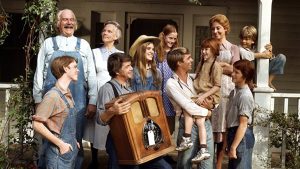
The Waltons, a classic American television series, encapsulates the life and experiences of a rural family residing in Virginia during two significant periods of the 20th century: the Great Depression and World War II. By delving into the lives of the Walton family, the series offers a window into the broader economic and societal shifts of the time, particularly focusing on various government programs introduced to address these challenging times. These elements offer more than just narrative backdrop; they are integral to understanding the struggles and triumphs depicted in the show.
Understanding the Context
Set against the backdrop of the 1930s and 1940s, The Waltons presents not just a family drama but a historical piece that intricately weaves the societal atmosphere of the era into its plot. The show underscores the perseverance of the Walton family as they face numerous adversities, emblematic of the widespread hardships experienced by many during this era. The series doesn’t shy away from depicting the dire economic conditions and the resulting social changes, effectively bringing to life the impact of the Great Depression and subsequent government interventions.
The New Deal
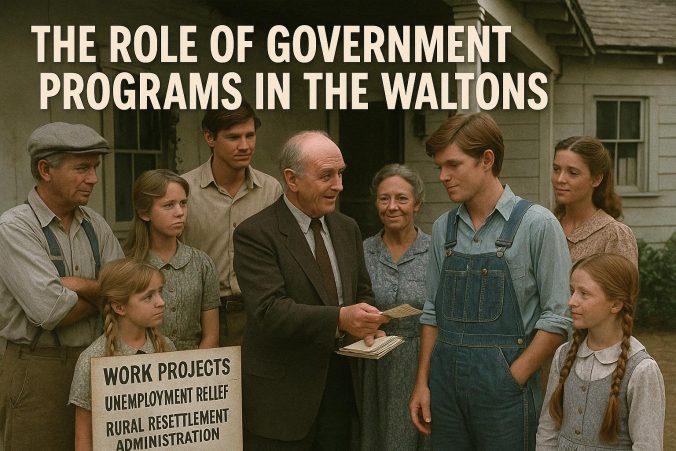
At the core of the series is the incorporation of the New Deal, a comprehensive series of programs and policies put forth by President Franklin D. Roosevelt aimed at fostering economic recovery. The depiction of the New Deal in The Waltons is instrumental in illustrating how these governmental measures were perceived and how they affected people at a grassroots level. Programs like the Works Progress Administration (WPA) and Civilian Conservation Corps (CCC) are significant within the storyline, symbolizing a beacon of light for communities grappling with economic despair. By showcasing the WPA and CCC projects, the series offers insights into how these initiatives provided not only jobs but also a sense of dignity and hope to those in need.
Economic Relief and Employment Opportunities
Within the narrative of The Waltons, government initiatives are portrayed as vital lifelines rather than mere auxiliary story elements. Through direct involvement of characters in WPA projects, for example, viewers are shown how these programs served as crucial economic support systems, granting employment and enabling local infrastructure development. The storylines emphasize the direct influence of these initiatives on community well-being, portraying them as critical components in the day-to-day survival and prosperity of the Walton family and their peers. These portrayals underscore the transformative impact of government interventions on rural communities.
Challenges and Criticism
While The Waltons largely paints a positive picture of government initiatives, it does not neglect their limitations and the criticisms they faced. Characters in the series are seen confronting bureaucratic hurdles and the sometimes limited scope and inefficacy of these programs. Such representations add depth to the story, reflecting the nuanced reality of governmental aid during this period. By incorporating these complexities, the series preserves its authenticity, delivering a more balanced and historically accurate account of the era.
Inclusion of Real Historical Elements
Another significant aspect of The Waltons is its dedication to embedding real historical events and policies within its plotlines. Through its accurate portrayal of government interventions, the series enriches the viewer’s understanding of the dynamic changes during the Depression era. The narrative not only reflects on advancements but also considers the shortcomings of these initiatives, offering a comprehensive view of their impact.
Education and Public Services
Beyond economic programs, The Waltons also delves into other significant government-led services such as education and public health. These services, albeit secondary within the broad narrative, form crucial subplots that emphasize their significance in elevating the quality of life for both the Walton family and the surrounding community. By weaving these elements into the story, the show highlights the broader spectrum of governmental influence beyond mere economic relief.
Conclusion
The Waltons is more than just a representation of familial bonds and rural life; it is a narrative that conveys the substantial and sometimes transformative power of government programs during one of America’s most challenging periods. By presenting a realistic portrayal of these initiatives, the series allows viewers to explore both the optimism and difficulties experienced by people amidst the Great Depression. Through the eyes of the resilient Walton family, the show highlights the important role that government intervention played in reshaping the lives of countless individuals and communities of that era. Through its thoughtful depiction of these elements, the series serves as an educational tool, offering a window into the historical nuances of government reliance and the impacts of policy decisions on everyday life.