Introduction
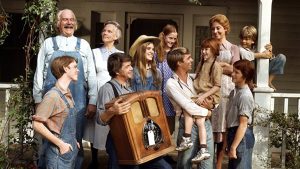
The character of John Walton Sr., from the classic American television series “The Waltons,” serves as an emblematic figure representing the strength of family bonds, the significance of skilled labor, and the virtues needed to endure trying times. Not only is he celebrated as a devoted family man, but he also stands out for his expertise in carpentry. During the formidable era of the Great Depression, carpenter skills not only provided financial sustenance for John Walton Sr. and his family but also shaped the dynamics, unity, and values of the entire Walton household. This analysis delves into how his craftsmanship propelled economic stability, imparted significant values, and fostered an environment of family cohesion.
Economic Support
The role of John Walton Sr. as a carpenter was instrumental in securing economic stability for his family. During a period marked by economic instability and job scarcity, his capacity to produce and mend various furniture items proved invaluable. Carpentry, a skill honed over years, became his family’s financial backbone, ensuring that they could meet everyday needs, sustain their Walton’s Mountain homestead, and navigate through the era’s economic uncertainties. The income garnered from carpentry was particularly crucial during periods of poor harvests or when other income avenues became unreliable. Every crafted piece and repaired item not only added to the family’s income but also imbued a sense of autonomy, allowing them to circumvent some challenges posed by external economic pressures.
John’s work provided much-needed stability, ensuring that the family remained intact and that essential needs were met. His resourcefulness created modest yet consistent economic security that was absent in many households during that time, ultimately allowing the family to weather financial storms without losing sight of their core values and principles.
Skills and Values Transference
John Walton Sr.’s commitment to carpentry went beyond the tangible benefits of economic support. It was a potent vehicle for imparting core skills and moral values to his children. Through observation and active participation, his offspring absorbed the nuances of the craft, learning not only technical skills but also embracing virtues like pride in one’s work, a strong work ethic, integrity, and perseverance. These lessons were not mere teachings but were entrenched in everyday activities, forged in the process of creating with one’s hands.
His insistence on quality and precision taught his children the value of diligence and patience. The ability to transform raw materials into beautiful and functional objects underlined the importance of hard work and the satisfaction that comes from seeing a project through to completion. Furthermore, the ethical dimensions of his teachings cultivated in his children a sense of right and wrong that transcended their immediate context, reinforcing their understanding of personal and communal responsibilities. Through carpentry, John Walton Sr. provided his children with a blueprint for life, equipping them with the tools to face future challenges with resilience and moral clarity.
Family Cohesion
The carpentry shop of John Walton Sr. was more than a workplace; it was a vibrant center of family life where collective problem-solving, sharing, and planning took place. Daily interactions in this space went beyond the building of furniture; it was a fertile ground for nurturing unity and cohesion among family members. These collaborative experiences fostered an atmosphere where each member’s contribution was valued, enhancing their sense of belonging and mutual support.
Working together side by side with their father, the Walton children absorbed lessons on collaboration, realizing the power of combined efforts and shared responsibilities. These experiences instilled in them an understanding of family strength derived from unitary effort. The shop was a place where respect and teamwork blossomed, weaving the fabric of shared experiences and goals that strengthened the emotional ties among family members.
The lessons learned in that carpentry workshop reverberated in other areas of the family’s life, encouraging dialogue and cooperation in navigating the complexities of daily living. It became a grounding element that brought stability and predictability, even while external forces threatened equilibrium. The unity forged in these spaces ensured that the family remained resilient and connected through the inevitable ups and downs of life.
Conclusion
The legacy of John Walton Sr. as a skilled carpenter extends far beyond the economic contributions he made during the Great Depression. His craftsmanship was integral to the family’s financial security and played a pivotal role in teaching pivotal values, skills, and fostering an enduring sense of unity. His carpentry did more than shape wood; it shaped the lives of each family member, leaving a profound and lasting impact.
In the challenging context of the Great Depression, John Walton Sr.’s work exemplified adaptability, resilience, and the power of family unity. Through his example, John imparted a belief that through hard work and togetherness, families could withstand the most challenging circumstances. The narrative of John Walton Sr. on Walton’s Mountain serves as a timeless reminder of the importance of skilled work, moral integrity, and family cohesion.
For additional insights into the portrayal of family and work dynamics during the era of the Great Depression in “The Waltons,” further resources are available.