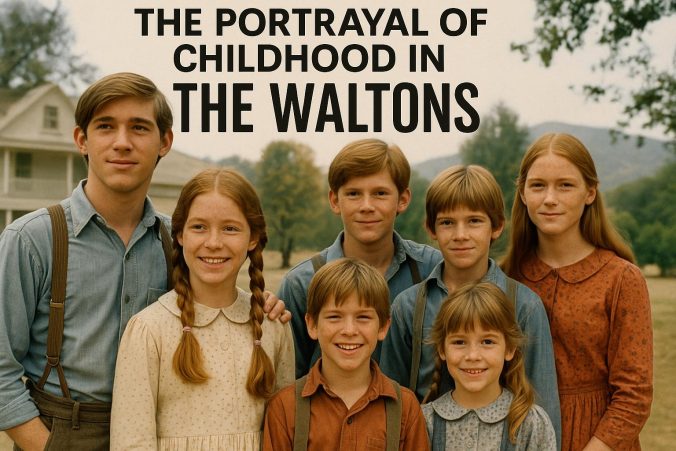
The Portrayal of Childhood in The Waltons
“The Waltons,” an influential American television series that aired from 1972 to 1981, is renowned for its vivid and realistic portrayal of life during the Great Depression and World War II. The narrative unfolds in rural Virginia, centering on the Walton family as they navigate the trials and triumphs of everyday life. The show’s focus is primarily on the children of the family, offering valuable insights into childhood during these historically challenging times.
Rural Upbringing and Responsibilities
In “The Waltons,” the rural upbringing of the Walton children is depicted with rich detail, providing a window into a lifestyle that contrasts sharply with urban living. This rural setting carries with it distinctive responsibilities that shape the children’s experience of childhood. Unlike many contemporary portrayals of childhood that emphasize leisure and play, “The Waltons” underscores the expectation for children to actively participate in family duties. This includes engaging in farming activities, helping with cooking, and caring for younger siblings. These responsibilities are intrinsically woven into the fabric of the children’s daily lives, highlighting the importance of family duty and communal effort.
In this context, the series illustrates how the children’s roles contribute to their personal development. The tasks and responsibilities are not merely chores; they are formative experiences that teach the children valuable life skills, including discipline, work ethic, and cooperation. This depiction paints a picture of childhood that is both challenging and enriching, where children mature quickly through their contributions to the family and community.
Education and Aspirations
Education is another cornerstone in the lives of the Walton children, reflecting the aspirations of many families during the era. Despite the severe economic difficulties of the time, education is portrayed as a beacon of hope and a pathway to a better future. The character of John-Boy Walton is a quintessential example of this portrayal. His pursuit of higher education and a writing career embodies the aspiration for personal improvement and intellectual growth.
Through John-Boy’s experiences, the series underscores the value placed on learning, showcasing how education can serve as a transformative force, even amidst adversity. His journey is not without obstacles, yet it highlights the enduring belief in education as a tool for empowerment and social mobility. This theme resonates throughout the series, emphasizing the sacrifices families made to ensure their children received an education.
Community and Social Interactions
Another significant aspect of childhood portrayal in “The Waltons” is the emphasis on community and social interactions. The Walton children are raised in a close-knit community where social relationships play a pivotal role in their development. The community serves as an extended family, offering shared experiences and mutual support that are integral to their upbringing.
Through these interactions, the series communicates lessons in empathy, solidarity, and cooperation. The communal bond highlights how childhood experiences extend beyond the nuclear family, influencing the children’s development and their perspectives on the world. The series effectively demonstrates how a supportive community environment can help nurture children’s growth and provide a safety net during difficult times.
Challenges and Resilience
“The Waltons” does not avoid the darker aspects of childhood during the Great Depression and World War II. The series candidly depicts the economic hardships, personal losses, and societal changes that the children face. However, it balances these portrayals by emphasizing resilience as a central theme.
The children often encounter significant obstacles, but they are shown overcoming these challenges through determination, fortitude, and the support of their family. This representation offers a nuanced view of childhood, acknowledging not only the adversities but also the triumphs and growth that emerge from them. The themes of resilience and perseverance are particularly poignant, highlighting the strength of family bonds and the unyielding human spirit in the face of adversity.
In conclusion, “The Waltons” offers a rich and detailed portrayal of childhood that combines the realities of a challenging historical period with themes of growth and resilience. By focusing on the Walton children’s experiences, the series provides a window into the past, revealing how families coped with economic and social hardships while maintaining hope and striving for a better future. This depiction serves as both a reflection and a reminder of the endurance of the human spirit, offering insights that remain relevant in understanding childhood experiences across different contexts and times.
For those interested in exploring “The Waltons” further or learning about other cultural portrayals from the era, numerous resources are available. One can delve into detailed reviews and cast information on platforms like IMDB, which provide additional context and understanding of this iconic series.