Iconic TV show

Month: February 2026

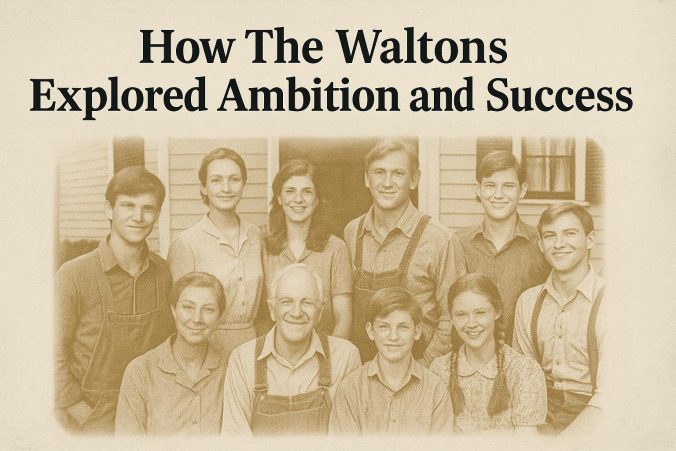
How The Waltons explored ambition and success.

Introduction to The Waltons

“The Waltons”, a quintessential American television series, aired from 1972 to 1981 on CBS. Set against the backdrop of the Great Depression and World War II, the series paints a vivid picture of the Walton family living in rural Virginia. Through its nostalgic yet truthful representation of everyday life during challenging times, the series explores a range of themes, notably ambition and success. It does so by delving deeply into the lives and aspirations of the Walton family members.

Character Development and Ambition

Central to the series is the character development visible throughout the show’s span. Each member of the Walton family, comprising multi-dimensional characters, has personal motivations and dreams that shape their identity and journey.

John-Boy Walton, the eldest son, stands out as the embodiment of ambition. His aspirations of becoming a writer form one of the central storylines of the show. As viewers follow John-Boy’s journey, they witness the trials, tribulations, and triumphs that accompany a steadfast pursuit of passion. Whether it’s balancing his responsibilities at home or dealing with rejection from publishers, John-Boy’s resilience is indicative of the commitment needed to truly pursue one’s dreams. Through his story, audiences recognize that ambition isn’t merely about achieving great heights but also about embracing the journey, with all its ups and downs.

Family members of the Walton clan each contribute unique perspectives on ambition. The family patriarch, John Walton Sr., offers a vision of ambition focused on familial well-being and cohesion. Despite economic adversity, his ambition is rooted in ensuring the family remains secure and united. His idea of success diverges from the pursuit of wealth, as his life’s accomplishments are measured by the health and happiness of his family.

Success and Its Various Forms

“The Waltons” artfully challenges the traditional definitions of success, portraying it in forms that transcend financial accomplishments. The series delves into and celebrates moments of personal fulfillment and the strength of familial bonds, especially during trying circumstances. Such portrayals present multifaceted definitions of what it means to be successful.

Olivia Walton, the family’s matriarch, is a prime example of success defined by more than just monetary achievements. While not participating in formal employment, Olivia’s unwavering support, nurturing presence, and ability to maintain harmony within the household exemplify emotional and psychological success. Her contributions emphasize that success doesn’t always manifest in tangible rewards; it can also be seen in the well-being and unity of loved ones.

For the Waltons, the resilience displayed in remaining connected and emotionally secure is an accomplishment in itself. Holding together without material wealth, their happiness reflects a riches of a different kind. Bonds forged and maintained during periods of adversity are a testament to the sometimes overlooked, yet profound, successes in life.

Challenges in the Pursuit of Ambition

While ambition is often romanticized, “The Waltons” does not shy away from presenting the complex challenges accompanying any passionate pursuit. John-Boy’s experiences, for instance, underscore the obstacles along the path of ambition. Facing rejection after submitting his stories, John-Boy often grapples with self-doubt, highlighting the necessity for tenacity and perseverance.

Beyond individual pursuits, the series also casts light on the societal and familial challenges faced during the family’s era. Economic struggles act as constant backdrops, sometimes overshadowing personal ambitions and emphasizing the necessity to find a balance between one’s aspirations and immediate responsibilities. These narratives reflect the broader human experience of navigating ambition while managing day-to-day struggles.

Conclusion

Through its rich tapestry of character developments and storytelling, “The Waltons” delves deep into the exploration of themes like ambition and success. The show’s nuanced portrayal of success highlights personal growth, the importance of following one’s dreams, and the value of family unity. Even though it is set in a unique historical context, the exploration of these themes reverberates with modern audiences, establishing the series as a timeless classic in television history. Indeed, “The Waltons” offers a window into understanding success, reminding viewers of the significance of pursuing passion, nurturing familial love, and the varied nature of true achievement.
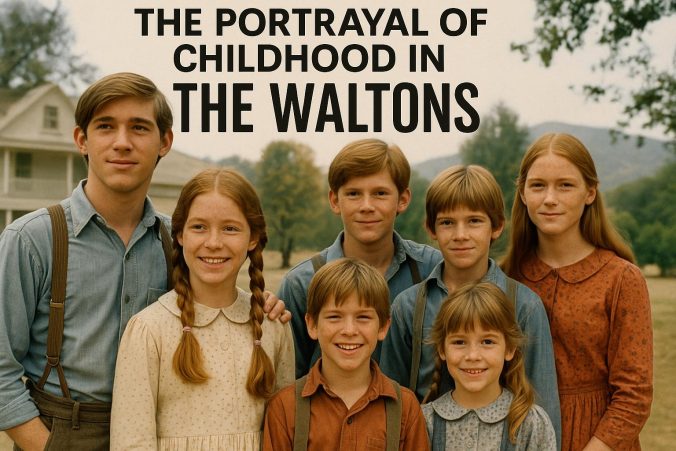
The portrayal of childhood in The Waltons.

The Portrayal of Childhood in The Waltons

“The Waltons,” an influential American television series that aired from 1972 to 1981, is renowned for its vivid and realistic portrayal of life during the Great Depression and World War II. The narrative unfolds in rural Virginia, centering on the Walton family as they navigate the trials and triumphs of everyday life. The show’s focus is primarily on the children of the family, offering valuable insights into childhood during these historically challenging times.

Rural Upbringing and Responsibilities

In “The Waltons,” the rural upbringing of the Walton children is depicted with rich detail, providing a window into a lifestyle that contrasts sharply with urban living. This rural setting carries with it distinctive responsibilities that shape the children’s experience of childhood. Unlike many contemporary portrayals of childhood that emphasize leisure and play, “The Waltons” underscores the expectation for children to actively participate in family duties. This includes engaging in farming activities, helping with cooking, and caring for younger siblings. These responsibilities are intrinsically woven into the fabric of the children’s daily lives, highlighting the importance of family duty and communal effort.

In this context, the series illustrates how the children’s roles contribute to their personal development. The tasks and responsibilities are not merely chores; they are formative experiences that teach the children valuable life skills, including discipline, work ethic, and cooperation. This depiction paints a picture of childhood that is both challenging and enriching, where children mature quickly through their contributions to the family and community.

Education and Aspirations

Education is another cornerstone in the lives of the Walton children, reflecting the aspirations of many families during the era. Despite the severe economic difficulties of the time, education is portrayed as a beacon of hope and a pathway to a better future. The character of John-Boy Walton is a quintessential example of this portrayal. His pursuit of higher education and a writing career embodies the aspiration for personal improvement and intellectual growth.

Through John-Boy’s experiences, the series underscores the value placed on learning, showcasing how education can serve as a transformative force, even amidst adversity. His journey is not without obstacles, yet it highlights the enduring belief in education as a tool for empowerment and social mobility. This theme resonates throughout the series, emphasizing the sacrifices families made to ensure their children received an education.

Community and Social Interactions

Another significant aspect of childhood portrayal in “The Waltons” is the emphasis on community and social interactions. The Walton children are raised in a close-knit community where social relationships play a pivotal role in their development. The community serves as an extended family, offering shared experiences and mutual support that are integral to their upbringing.

Through these interactions, the series communicates lessons in empathy, solidarity, and cooperation. The communal bond highlights how childhood experiences extend beyond the nuclear family, influencing the children’s development and their perspectives on the world. The series effectively demonstrates how a supportive community environment can help nurture children’s growth and provide a safety net during difficult times.

Challenges and Resilience

“The Waltons” does not avoid the darker aspects of childhood during the Great Depression and World War II. The series candidly depicts the economic hardships, personal losses, and societal changes that the children face. However, it balances these portrayals by emphasizing resilience as a central theme.

The children often encounter significant obstacles, but they are shown overcoming these challenges through determination, fortitude, and the support of their family. This representation offers a nuanced view of childhood, acknowledging not only the adversities but also the triumphs and growth that emerge from them. The themes of resilience and perseverance are particularly poignant, highlighting the strength of family bonds and the unyielding human spirit in the face of adversity.

In conclusion, “The Waltons” offers a rich and detailed portrayal of childhood that combines the realities of a challenging historical period with themes of growth and resilience. By focusing on the Walton children’s experiences, the series provides a window into the past, revealing how families coped with economic and social hardships while maintaining hope and striving for a better future. This depiction serves as both a reflection and a reminder of the endurance of the human spirit, offering insights that remain relevant in understanding childhood experiences across different contexts and times.

For those interested in exploring “The Waltons” further or learning about other cultural portrayals from the era, numerous resources are available. One can delve into detailed reviews and cast information on platforms like IMDB, which provide additional context and understanding of this iconic series.

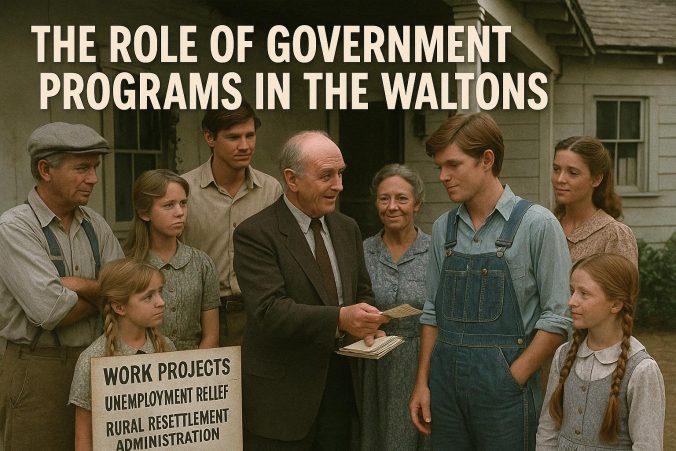
The role of government programs in The Waltons.

The Role of Government Programs in The Waltons

The Waltons, a classic American television series, encapsulates the life and experiences of a rural family residing in Virginia during two significant periods of the 20th century: the Great Depression and World War II. By delving into the lives of the Walton family, the series offers a window into the broader economic and societal shifts of the time, particularly focusing on various government programs introduced to address these challenging times. These elements offer more than just narrative backdrop; they are integral to understanding the struggles and triumphs depicted in the show.

Understanding the Context

Set against the backdrop of the 1930s and 1940s, The Waltons presents not just a family drama but a historical piece that intricately weaves the societal atmosphere of the era into its plot. The show underscores the perseverance of the Walton family as they face numerous adversities, emblematic of the widespread hardships experienced by many during this era. The series doesn’t shy away from depicting the dire economic conditions and the resulting social changes, effectively bringing to life the impact of the Great Depression and subsequent government interventions.

The New Deal

At the core of the series is the incorporation of the New Deal, a comprehensive series of programs and policies put forth by President Franklin D. Roosevelt aimed at fostering economic recovery. The depiction of the New Deal in The Waltons is instrumental in illustrating how these governmental measures were perceived and how they affected people at a grassroots level. Programs like the Works Progress Administration (WPA) and Civilian Conservation Corps (CCC) are significant within the storyline, symbolizing a beacon of light for communities grappling with economic despair. By showcasing the WPA and CCC projects, the series offers insights into how these initiatives provided not only jobs but also a sense of dignity and hope to those in need.

Economic Relief and Employment Opportunities

Within the narrative of The Waltons, government initiatives are portrayed as vital lifelines rather than mere auxiliary story elements. Through direct involvement of characters in WPA projects, for example, viewers are shown how these programs served as crucial economic support systems, granting employment and enabling local infrastructure development. The storylines emphasize the direct influence of these initiatives on community well-being, portraying them as critical components in the day-to-day survival and prosperity of the Walton family and their peers. These portrayals underscore the transformative impact of government interventions on rural communities.

Challenges and Criticism

While The Waltons largely paints a positive picture of government initiatives, it does not neglect their limitations and the criticisms they faced. Characters in the series are seen confronting bureaucratic hurdles and the sometimes limited scope and inefficacy of these programs. Such representations add depth to the story, reflecting the nuanced reality of governmental aid during this period. By incorporating these complexities, the series preserves its authenticity, delivering a more balanced and historically accurate account of the era.

Inclusion of Real Historical Elements

Another significant aspect of The Waltons is its dedication to embedding real historical events and policies within its plotlines. Through its accurate portrayal of government interventions, the series enriches the viewer’s understanding of the dynamic changes during the Depression era. The narrative not only reflects on advancements but also considers the shortcomings of these initiatives, offering a comprehensive view of their impact.

Education and Public Services

Beyond economic programs, The Waltons also delves into other significant government-led services such as education and public health. These services, albeit secondary within the broad narrative, form crucial subplots that emphasize their significance in elevating the quality of life for both the Walton family and the surrounding community. By weaving these elements into the story, the show highlights the broader spectrum of governmental influence beyond mere economic relief.

Conclusion

The Waltons is more than just a representation of familial bonds and rural life; it is a narrative that conveys the substantial and sometimes transformative power of government programs during one of America’s most challenging periods. By presenting a realistic portrayal of these initiatives, the series allows viewers to explore both the optimism and difficulties experienced by people amidst the Great Depression. Through the eyes of the resilient Walton family, the show highlights the important role that government intervention played in reshaping the lives of countless individuals and communities of that era. Through its thoughtful depiction of these elements, the series serves as an educational tool, offering a window into the historical nuances of government reliance and the impacts of policy decisions on everyday life.

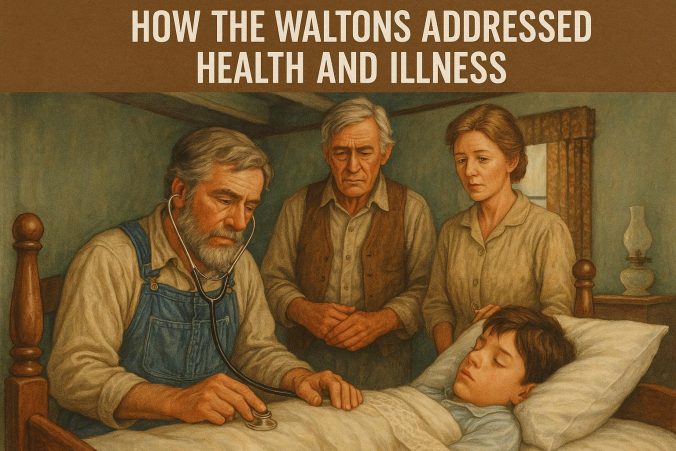
How The Waltons addressed health and illness.

Introduction to Health and Illness in The Waltons

“The Waltons,” a beloved American television series, offered a compelling portrayal of life during the Great Depression and World War II. Among the many themes explored in the show, health and illness played significant roles. The series presented various medical challenges, reflecting the historical context and highlighting the resilience and resourcefulness of the Walton family.

Health Challenges of the Era

In the time period depicted in “The Waltons,” access to healthcare was often limited, particularly in rural areas. This lack of resources was a recurring theme in the series, as the family faced various medical issues without the conveniences of modern medicine. These challenges were emblematic of the era’s broader societal struggles, wherein families like the Waltons frequently had to navigate health setbacks using whatever means were available to them.

Managing Common Illnesses

The series frequently depicted the Walton family’s approach to handling everyday health problems like colds, fevers, and minor injuries. Without the widespread availability of pharmaceuticals, the Waltons relied on home remedies and practical knowledge passed down through generations. Herbal teas, poultices, and other traditional methods were staples in their arsenal against common ailments. This portrayal not only served to educate viewers about traditional practices but also provided insight into the self-sufficiency that was necessary during that historical period.

Resourcefulness in Critical Situations

Resourcefulness was a key trait displayed by the Waltons in more serious medical scenarios. More serious illnesses and accidents showcased the Walton family’s ingenuity and community spirit. While the local doctor provided much-needed expertise when available, the show often highlighted the need for self-reliance. For instance, in episodes featuring outbreaks or critical injuries, the family and their neighbors came together to provide care, underscoring the importance of community support. The cooperative effort within the community was indispensable; neighbors shared remedies and offered assistance, reflecting a collective resilience that went beyond individual family units.

Significant Storylines Involving Health

Several episodes of “The Waltons” featured plots centered around health challenges, such as the scarlet fever outbreak or John-Boy’s serious head injury. These stories provided insight into the emotional and logistical challenges of dealing with significant health issues in an era without modern healthcare infrastructure. They also emphasized themes of perseverance and familial strength. For instance, John-Boy’s head injury storyline was not only a dramatic element of the series but also a poignant exploration of how a family’s love and commitment could act as a healing force. Such narratives shed light on how families coped with limited medical knowledge and access to expert healthcare, thereby illustrating the broader societal impacts of the period’s medical limitations.

Conclusion

“The Waltons” effectively illustrated the realities of health and illness during the early 20th century. By addressing these themes within its narrative, the series not only provided entertainment but also offered a window into the complexities of medical care in a bygone era. Through the depiction of the Walton family’s experiences, viewers gained an appreciation for the resilience and resourcefulness required to overcome health challenges during that time. Ultimately, this portrayal enhances our understanding of the societal necessity for communal empathy and collaboration, and it offers a lens through which to view the evolution of healthcare accessibility and practices from past to present.

The Value of Historical Health Narratives

Beyond its entertainment value, “The Waltons” serves as a cultural artifact that educates contemporary audiences about the healthcare practices of the past. As an example of historical fiction, the series draws attention to the evolution of medical technology and public health reforms. It implicitly asks modern viewers to reflect on how far medical science and practice have come in ensuring wider access to healthcare and managing public health issues more effectively.

The Intersection of Tradition and Modernity

The series positions the past’s traditional practices within a broader dialogue about modernity and progress. By showcasing how the Waltons managed health issues with minimal resources, the show makes a subtle commentary on the value of traditional wisdom when complemented by modern medical advances. This synthesis of old and new highlights the ongoing need to balance traditional knowledge with technological innovation in our current healthcare systems.

The Legacy of Community Solidarity

Of equal importance is the theme of community solidarity that runs through the series. In an age of specialized, often detached healthcare systems, recalling the Walton family’s community-based approach to health provides a timely reminder of the importance of interpersonal connections and mutual aid. Such narratives insist on recognizing the human element in healthcare — that healing is not solely an objective, clinical process but is intimately tied to emotional support and community involvement.

By illuminating these past practices and values, “The Waltons” urges us to appreciate the strides made in healthcare while reminding us that some elements of healing are timeless, rooted in human connection and collective wisdom. In this, the show remains a valuable cultural and educational resource, encouraging a nuanced understanding of health and illness both then and now.

For more information about the era’s healthcare challenges, you can explore related resources on history.org.