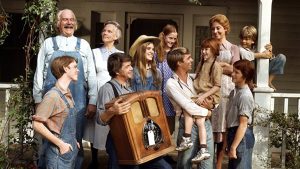
The Role of Letter Writing in “The Waltons”
“The Waltons,” a popular television series that aired from 1972 to 1981, offers viewers a compelling exploration of the lives of a rural Virginia family during the challenging eras of the Great Depression and World War II. While numerous themes and storytelling techniques contribute to its narrative richness, the theme of letter writing stands out for its significant role. Within the show, letter writing functions not only as a means of communication but also as a tool for emotional expression and as a crucial component of historical record keeping.
Communication Across Distances
In the era depicted by “The Waltons,” letter writing emerges as a primary form of communication, especially relevant for families situated in rural areas where technological advancements like telephones had not yet become commonplace. The show poignantly highlights the role of letters in maintaining the bonds of connection across physical separations. For example, letters exchanged during World War II offered families precious updates and reassurance from soldiers at the front lines. This exchange of information captures the historical context of the time, where letters served not just as communication tools but also as lifelines, keeping relationships intact despite vast distances. The show presents the contents of these letters with authenticity, focusing on the emotional and factual updates that brought comfort and joy to families awaiting news from their loved ones.
Emotional Expression and Reflection
Within “The Waltons,” the act of writing letters assumes a deeper, more personal dimension, serving as a medium for emotional expression and personal reflection. The characters utilize this form of communication to articulate emotions and thoughts that might be difficult to convey verbally. This aspect of letter writing allows for a considered and reflective mode of communication, which in turn facilitates more meaningful exchanges. As we observe characters engaged in the introspective act of crafting letters, we see how this practice acts both therapeutically and expressively. It provides them with an opportunity to process feelings and articulate them in a coherent manner, offering deeper insight into their personal struggles and emotional journeys. By including scenes of letter writing, “The Waltons” emphasizes the reflective and cathartic nature of this practice, highlighting its capacity to create moments of truth and vulnerability among its characters.
Preservation of Family History
In “The Waltons,” letters transcend their immediate purpose to become vital records of personal and familial history, capturing the essence of everyday life and significant milestones experienced by the Walton family. As these letters accumulate, they function as artifacts offering a window into the past, encompassing memories and experiences that can be passed down to future generations. The series thoughtfully illustrates how writing serves as a means of chronicling family legacies, reinforcing its role in preserving heritage and providing a tangible connection to history. The portrayal of letters as tangible documents emphasizes their durability and enduring significance, contrasting with the ephemeral nature of spoken words. By weaving letter writing into its narrative fabric, “The Waltons” underscores the importance of written documentation as an enduring means of connecting with one’s ancestry and understanding one’s place within a broader continuum.
Conclusion
In conclusion, the theme of letter writing in “The Waltons” encompasses a variety of functions and deeper meanings that extend beyond mere communication. It serves as a bridge linking individuals across geographical and temporal distances, enabling emotional expression and personal reflection. Additionally, it plays an invaluable role in preserving family history, anchoring the characters to their past and providing a sense of continuity. These components collectively enhance the show’s narrative depth, offering audiences an authentic depiction of life during a transformative period in American history. Through the lens of letter writing, “The Waltons” provides not only a historical snapshot but also timeless insights into human connections and the enduring power of the written word.