The Waltons’ Representation of Patriotism During Wartime
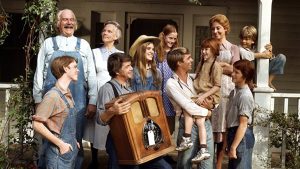
The Waltons, a well-loved television series from the 1970s, presents a detailed and immersive portrayal of life in rural America during the difficult years of the Great Depression and World War II. Through its diverse characters and gripping narratives, the show delves into various expressions of patriotism as experienced by the Walton family and their surrounding community on Walton’s Mountain.
Contextual Setting
The series vividly captures the essence of life in Virginia’s Blue Ridge Mountains, with a particular focus on the Walton family. As the timeline of the series transitions from the economic despair of the Great Depression to the challenging years of World War II, the show’s storylines poignantly explore the community’s responses to these national crises. This historical setting provides a rich tapestry for examining patriotism, as seen through both personal commitments and collective efforts.
Patriotism Through Duty and Service
Throughout the wartime episodes, the visible dedication of the Walton family members, such as John-Boy’s enlistment in military service, reflects a core expression of patriotism. The act of serving the country in the military exemplifies the deep-rooted sense of duty that was prevalent during that era. Upholding the nation’s values through personal sacrifice was perceived as essential, and this theme resonates strongly in the series. The impact of war on the Walton family’s decisions illustrates a broader national sentiment, highlighting how individual contributions were integral to the collective war effort.
Community and Sacrifice
The Waltons also captures the spirit of patriotism through the lens of communal response to the war effort’s demands. The tight-knit community on Walton’s Mountain is portrayed as one that comes together, pooling resources and providing support to the families of those serving overseas. Many characters are depicted participating in activities such as war bond drives and volunteer services, embodying a spirit of shared sacrifice and dedication. This collective action underscored the community’s unwavering support for the troops and their families, reflecting a profound sense of unity and responsibility.
Symbols and Ideology
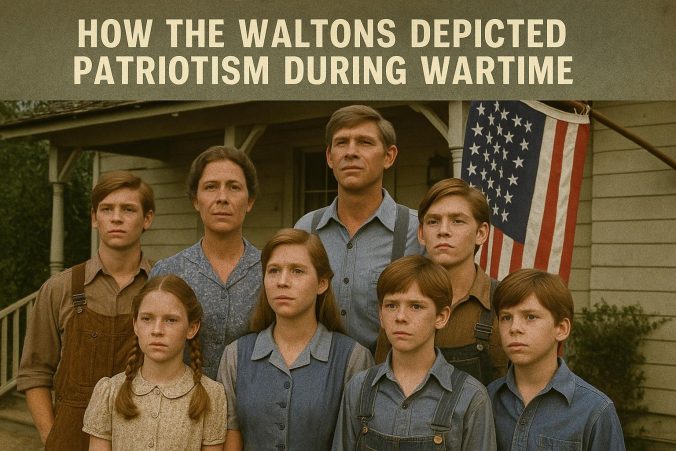
Another significant aspect of patriotism explored in the show arises from its use of symbols and ideological discourse. National emblems like the American flag frequently appear throughout the episodes, serving as powerful reminders of national pride and respect. Additionally, characters within the show often engage in thoughtful discussions about fundamental principles like freedom and democracy. These dialogues highlight the ideological dimensions of patriotism, enhancing the characters’ and, by extension, the audience’s emotional and intellectual connection to the country’s ideals during wartime.
Resilience and Endurance
Finally, The Waltons offers a portrayal of patriotism through the themes of resilience and endurance. As the family navigates through the scarcities and uncertainties brought about by the war, their tenacity becomes a silent yet potent act of loyalty to the American way of life. The family’s perseverance in the face of hardship is portrayed less as mere survival and more as a testament to the enduring values that define patriotism. This form of understated patriotism, emphasized through the family’s ongoing dedication and strength, speaks volumes about the everyday heroism of maintaining one’s dignity and principles amidst trials.
Exploring Thematic Depth
The show’s depiction of these varying facets of patriotism offers viewers a nuanced understanding of how ordinary Americans navigated their relationship with their nation during significant historical events. It portrays not only how individuals played roles in larger national narratives but also how the collective actions of communities upheld national morale and ideals.
Interpersonal Dynamics
The interpersonal dynamics within the Walton family further illustrate the intimate experiences of patriotism. Conversations and conflicts within the family reflect broader national issues and values. For instance, family discussions often revolve around differing views on the war, reflecting how national debates were microcosmically mirrored in American households. These dialogues exemplify the complexity of patriotism, where duty to country may conflict with personal beliefs and desires.
Impacts of Wartime on Rural Life
Moreover, the impact of World War II on rural life, as depicted through the series, offers a unique perspective on patriotism. Unlike urban centers, rural communities had different resources and challenges, which influenced their wartime contributions. The Waltons highlights these differences by showcasing how the family adapted to changes, such as rationing and resource shortages, and how these adaptations were driven by the greater cause of national solidarity and support.
Further Reflections
Through its detailed storytelling and character development, The Waltons provides a multifaceted picture of patriotism. For those interested in delving deeper into this topic, exploring official resources, media archives, or cultural analyses can offer additional insights into how popular culture has historically mirrored societal values and overcame challenges during times of war. The series not only acts as a piece of entertainment but also serves as a historical reflection, offering timeless lessons on communal strength and individual resilience during periods of national turmoil.