The Portrayal of Courtship in “The Waltons”
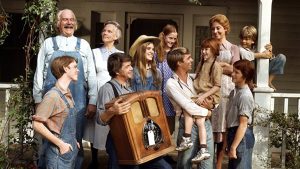
“The Waltons,” a television series that aired from 1972 to 1981, offers a thoughtful depiction of family life, particularly focusing on the theme of courtship. Set against the backdrop of rural Virginia during the Great Depression and World War II, the show centers on the Walton family and illustrates courtship practices that are reflective of its historical context.
Courtship Traditions
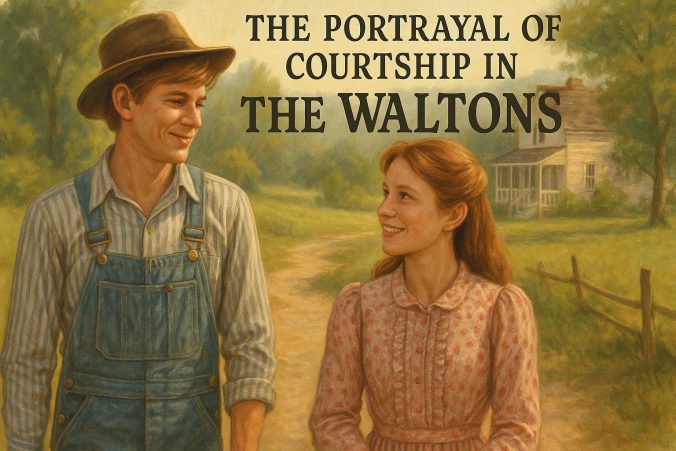
The series delves into traditional courtship practices common in 1930s and 1940s America. Such practices involved formal courting, where prospective couples engaged in activities under supervision, often within the familial setting. This portrayal underscores the importance of family involvement and approval in courtship during that era. Themes of reputation, modesty, and respect are frequently portrayed as integral to the relationships depicted throughout the series. These elements were not simply social norms but essential qualities influencing courtship during this time period.
Throughout the series, there is a consistent emphasis on family values in courtship. Activities such as family dinners, community gatherings, and church events are prominent, showcasing how community and familial connections played a vital role in relationship development. The show presents these interactions as opportunities for building bonds, understanding prospective partners, and gaining parental insights, thus stressing that courtship was as much about joining families as it was about a personal relationship.
Key Characters and their Courtship Journeys
One of the key characters shedding light on these traditional practices is John-Boy Walton, the eldest son of the Walton family. His journey through various relationships is characterized by introspection and care, resonating with the slow and meaningful evolution of romantic relationships typical of the time. Unlike the hasty encounters seen in modern narratives, John-Boy’s romances develop over time with significant emphasis on compatibility, shared values, and future aspirations.
John-Boy’s encounters bring to light the shift towards a more emotional connection in relationships. His courtship stories often involve mutual respect, shared dreams, and intellectual compatibility, reflecting broader cultural shifts towards personal fulfillment in romantic engagements. Through his experiences, the series comments on the evolving nature of courtship and its reflections of changing societal expectations.
Meanwhile, Mary Ellen Walton, another central character, navigates her transition from childhood to adulthood through several courtship experiences. Her story arc provides insight into the evolving roles available to women during the period. Through her relationships and personal ambitions, the audience observes a growing tension between traditional female roles focused on marriage and homemaking and emerging possibilities of career-oriented aspirations. Mary Ellen’s experiences mirror wider societal transformations and the quest for autonomy faced by many women of that era.
The Impact of External Events on Courtship
The historical events of the Great Depression and World War II are more than mere background settings in “The Waltons”—they serve as catalysts shaping the characters’ courtship narratives. Economic hardships restrict opportunities for lavish dates or weddings, emphasizing simpler, more meaningful interactions. There’s a prevailing theme of resourcefulness, where courtship can mean enjoyable, cost-free activities such as picnics, walks, or joint family projects.
The looming uncertainty of the war era adds another layer, as separation due to conscription becomes an ever-present reality. Wartime letters and long-distance communication add depth to romantic connections, showing the audience the resiliency needed to maintain relationships when faced with separation. This aspect of the series addresses not only the personal toll but also broader themes of sacrifice and patience that defined relationships during wartime.
At the same time, the series depicts how external pressures draw families closer, reinforcing community bonds and mutual support. Romantic relationships are shown as part of a larger fabric of social interconnectedness that provides emotional sustenance during difficult times. The narratives emphasize reliance on shared values and collective endurance, highlighting the interconnectedness of personal courtship journeys with larger community dynamics.
Conclusion
“The Waltons” provides a rich narrative that captures the essence of courtship practices intertwined with familial obligations, historical context, and societal values. While rooted in the norms of the 1930s and 1940s, the series transcends its era by exploring universal themes of love, respect, and community involvement. Through its portrayal of family-involved, respectful courtship, it delivers both historical insights and reflections on personal growth and social change. Although the series presents a historical picture, many of its themes remain relevant, prompting viewers to consider how relationships have evolved over time while some fundamental values endure. Those curious about the complete stories can explore the series further through available streaming platforms and media libraries, allowing them to appreciate the timeless storytelling captured within this classic television narrative.