The Role of Women in the 1930s as Presented in The Waltons
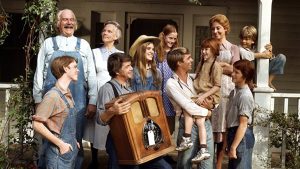
The Waltons, a widely popular television series that aired from 1972 to 1981, is acclaimed for its realistic portrayal of life during the time of the Great Depression. Set in the rural setting of Virginia, the series is renowned for exploring a myriad of social dynamics that were prevalent during the 1930s, particularly focusing on the role of women. This article delves into how the series reflects the societal expectations and evolving roles of women during that era, shedding light on the myriad of challenges they faced and the transformations that occurred.
Traditional Gender Roles
During the 1930s, societal norms heavily dictated that women were to focus on domestic roles, emphasizing homemaking and the nurturing of their children. This cultural expectation is nuanced in The Waltons through characters like Olivia Walton, who is the family matriarch. Olivia’s life is enveloped around the management of the household, the care of her children, and the unwavering support she provides to her husband, John Walton, in his pursuits. Such depictions emphasize the limited professional opportunities available to women during the Depression, a period where economic hardships often reinforced traditional gender roles, compelling women to remain largely in the private sphere of the home.
Economic Challenges and Female Labor
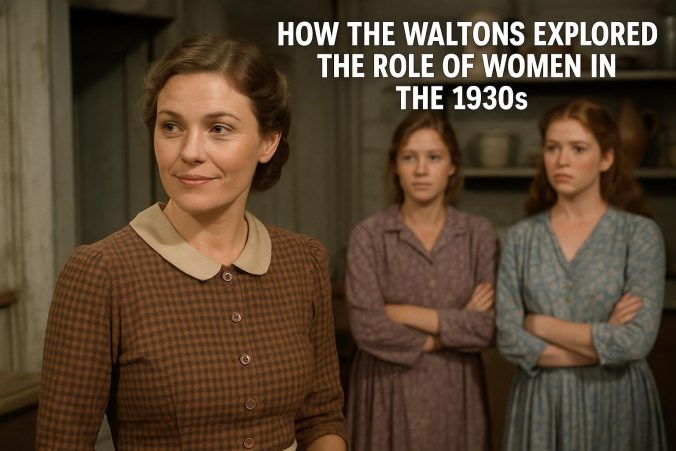
Despite these societal expectations, the Great Depression brought about significant economic challenges that necessitated many women to seek employment beyond their traditional domestic roles. The Waltons does not shy away from portraying this harsh reality. While Olivia Walton remains primarily a figure within the home, the series presents other female characters, such as Miss Mamie Baldwin and Miss Emily Baldwin, who navigate outside norms to run the family-owned Baldwin sisters’ recipe distillery. By highlighting such characters, the show illustrates the crucial roles women played in the economy, particularly unmarried women who often took on responsibilities atypical of their gender due to economic pressures. Through these portrayals, The Waltons demonstrates the vital contributions women made to family finances and society, sometimes in unconventional or discrete ways during these challenging times.
Educational Aspirations and Barriers
The series further navigates the educational aspirations of women amidst prevailing societal norms through the character of Mary Ellen Walton. As the eldest daughter in the Walton family, Mary Ellen harbors ambitions that extend beyond traditional domestic expectations, with a keen aspiration to become a nurse. Her journey reflects the numerous challenges women faced in pursuing education and professional careers, including societal skepticism and limited professional opportunities. Despite these hurdles, The Waltons chronicles Mary Ellen’s tenacity and eventual success, embodying shifting attitudes towards women’s education and the acknowledgment of their potential to contribute significantly beyond conventional domestic boundaries.
Evolving Social Norms
As The Waltons progresses, it adeptly showcases the gradual evolution in women’s roles, mirroring the socio-economic shifts that were beginning to surface during the era. Characters such as Erin Walton, who manages to secure employment at J.D. Pickett’s defense plant, represent the burgeoning acceptance of women participating actively in the workforce. The series emphasizes how, despite initial societal resistance, the economic demands of the 1930s began to alter long-standing perceptions of women’s roles, paving the way for more profound transformations in the decades that followed.
Throughout the series, The Waltons provides a profound insight into the 1930s, encapsulating the ways in which women navigated and often challenged societal norms in response to the numerous economic and social pressures they faced. Through its diverse array of characters, the series captures the complexity of these societal transitions, offering viewers a nuanced and rich understanding of the era’s gender dynamics.
For audiences wishing to delve deeper into the intricacies of gender roles portrayed in television series that are set during historical periods, it would be beneficial to explore external resources specializing in the intersection of TV and film studies with social history. By doing so, one may gain a comprehensive perspective on how media reflects and contributes to our understanding of historical gender roles.