Introduction to Romantic Themes in “The Waltons”
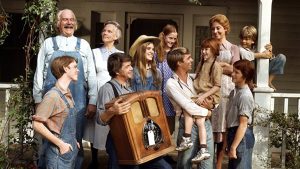
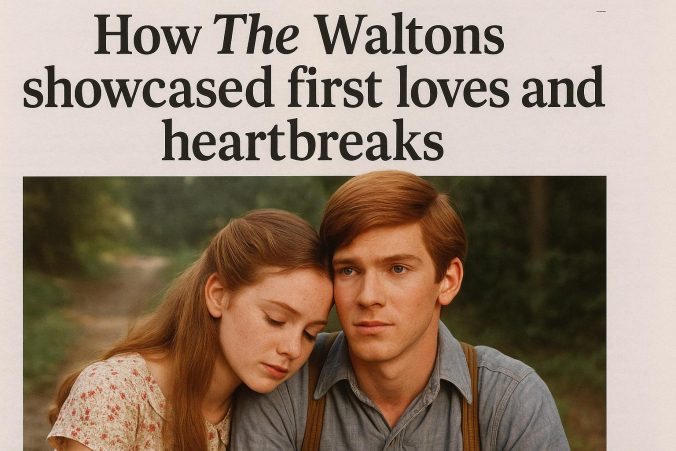
“The Waltons,” a cherished American television series, is renowned for its depiction of family life during the Great Depression and World War II. Beyond highlighting the struggles and triumphs of the Walton family, the series provides a poignant portrayal of first loves and heartbreaks. This aspect of the series is often woven into episodes, giving depth to the characters’ experiences and reflecting the universal nature of young love.
John-Boy’s Romantic Journey
As the eldest Walton sibling and an aspiring writer, John-Boy Walton frequently encountered the complexities of youthful romance. His character’s experiences with love served as a central theme in multiple episodes. Through these romantic storylines, John-Boy often found himself grappling with the excitement and uncertainty of his first loves, as well as the inevitable heartbreaks that followed. These narratives, while personal to the character, resonated with many viewers for their relatability and authenticity. The way his character navigated the challenges associated with love—balancing dreams, ambitions, and the pressure of familial responsibilities—added layers to his journey. These early experiences provided John-Boy with material that enriched both his personal growth and his ambitions as a writer, allowing him to capture the gossamer-like highs and lows of romance in his works.
Highlighted throughout his arcs were specific episodes that brought to life the essence of first loves. John-Boy’s initial romantic interests were often tangled in the idyllic innocence of adolescence. Their narratives unfolded amongst the backdrop of Virginia’s picturesque landscapes, with each story often wrapping up with a lesson that had been learned. The intimate portrayal of his character dealt not just with the external factors of romance but dug deeper into internal self-reflection, accounting for evolving perceptions of love.
Mary Ellen’s Quest for Love
Mary Ellen Walton, the eldest daughter, also navigated the emotional terrain of young love and its challenges. Her interactions with potential suitors offered insight into the evolving roles and expectations of women during the series’ time period. Mary Ellen’s romantic storylines varied from experiencing fleeting crushes to deeper relationships that tested her personal growth and resilience. Her relationships often underscored the prevailing cultural narratives about women’s roles, which were experiencing monumental shifts during the era in which the series was set.
Mary Ellen’s character arc was paramount in challenging the status quo, pushing back against an era’s traditional gender norms, and through her romantic experiences, the viewers witnessed these variations. Each relationship came with a set of circumstances that mirrored growing societal changes: war-time engagements that tested patience and commitment, or young love shadowed by a world on the cusp of modernity. Her quest for autonomy was a recurring undercurrent, producing thought-provoking dialogues related to aspirations and companionship. Furthermore, these interactions weren’t just about romantic connections but how they intertwined with aspirations—nursing, independence, and resilience.
Other Siblings’ Romantic Experiences
While John-Boy and Mary Ellen were often at the forefront of romantic exploration, the other Walton siblings were not devoid of their unique love stories. Each sibling brought their own perspective and personality to courtship, adding a layer of richness to the overall narrative of the series. These subplot romances enhanced the show’s depiction of family dynamics by showing how each character contributed to and grew from their personal experiences with love and loss.
For instance, the romantic endeavors of siblings such as Erin Walton and Ben Walton added intriguing diversity to the series’ exploration of love. Erin, characterized by her charm and vivacity, faced infatuations and serenades from young men and pursued relationships where choices concerning career and romantic prioritization became salient. Ben, on the other hand, often displayed more pragmatic viewpoints on relationships, as evidenced in episodes dealing with premarital responsibilities amid turbulent times. By weaving in stories across this broad character spectrum, “The Waltons” delivered narratives replete with variety. They showcased developmental arcs that were poignant and became relatable portrayals of growing up and understanding deeper relationship paradigms.
Conclusion
“The Waltons” remains a standout in television history for its heartfelt representation of first loves and heartbreaks. By embedding these themes within a larger narrative about family and community, the show captured the bittersweet nature of growing up and navigating personal relationships. It offered a lens into an age where family values harmonized with the individuation processes of young adults. Through the characters’ experiences, the series reflects the timeless journey of seeking love, understanding, and acceptance.
Themes of romance provided poignant commentary over the series regarding how societal changes reverberated through individuals’ personal lives. The romantic stories played a crucial role in enhancing the emotional complexity of the series, carving lasting impressions that engendered empathy and drew parallels with various stages within viewers’ lives. By portraying these tales, “The Waltons” delivered durably as both an iconic retro narrative and a timeless piece commentating on the indomitable and universally relatable pursuit of love.