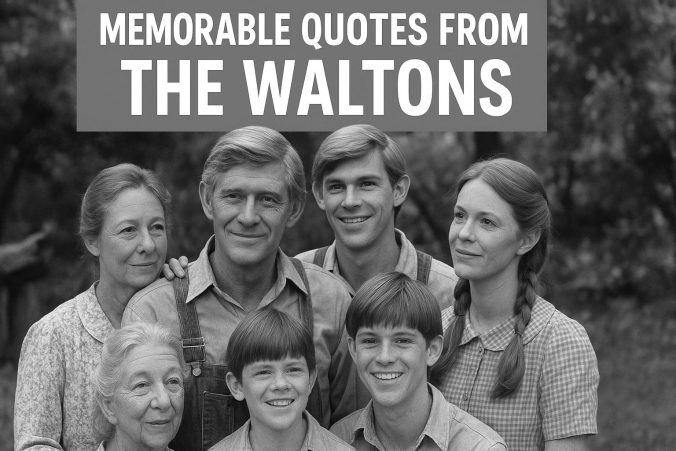
Introduction to Memorable Quotes from The Waltons
“The Waltons” is a quintessential American television series originally broadcast from 1972 to 1981. Situated against the backdrop of the Great Depression and World War II, the series offers an insightful glimpse into the lives of a large and particularly close-knit family residing in the rural expanses of Virginia. Renowned for its memorable dialogues and impactful quotes, the series seamlessly blends wisdom, warmth, and occasionally, humor—a combination that quickly endeared it to audiences then and continues to captivate viewers today.
John Walton Sr.’s Wisdom
The patriarch of the series, John Walton Sr., plays a pivotal role in imparting wisdom that resonates deeply with both his family and the viewing audience. As a character, John carries a wealth of practical wisdom acquired through a life of hard work and challenges. His sayings often reflect a strong moral compass and a commitment to traditional values. One of his famous lines is: “There’s no shame in being poor. Only in being lazy.” This succinct statement embodies the series’ persistent theme of diligence and integrity, underscoring the societal respect for hard work during trying economic times.
John Walton Sr.’s advice extended beyond financial matters, often touching on themes central to family relationships and personal integrity. The character consistently addressed the importance of perseverance, accountability, and honesty. In an episode focused on economic hardship, he once remarked, “A person’s worth isn’t measured by the size of their bank account but by the size of their heart.” This served as a reminder to his family—and viewers—that although they might be economically disadvantaged, their true wealth lay in their moral and emotional strength.
Olivia Walton’s Nurturing Spirit
As the matriarch, Olivia Walton embodies the essence of nurturing and is integral to maintaining familial bonds. Her quotes often emphasize themes of love, unity, and resilience within the family. A notable example is her declaration: “A mother’s love isn’t divided among her children; it multiplies.” This powerful statement encapsulates her dedication and illustrates the inextricable bonds of a mother’s love.
Much like John, Olivia often shared insights on human relationships and individual growth. During challenging situations, she provided reassurance and direction. For example, when teaching her children the importance of empathy and understanding, she observed, “Listening is just as important as speaking; it shows you care enough to hear.” Olivia’s guidance served as the emotional bedrock of the family and reminded audiences of the importance of heartfelt communication.
Grandpa Zebulon Walton’s Wit
The character of Grandpa Zebulon Walton frequently introduced humor through his quick wit and perceptive remarks. His quotes typically blended humor with essential life lessons, offering both comedic relief and valuable insights. One memorable quip is: “It’s a wise man who knows which side of the bread is buttered.” While light-hearted, the adage underscores a deeper understanding of recognizing and appreciating one’s opportunities and privileges.
Beyond humor, Grandpa Zeb often illuminated the traditions and folklore of bygone eras, providing historical context to the family’s present challenges. His stories and sayings offered a link between past and present, reinforcing the importance of cultural legacy. He might say: “History isn’t what happened; it’s who tells the story and how they tell it.” In a storytelling tradition, such poignant reflections from Grandpa Zeb fostered appreciation for history and its lessons.
John-Boy Walton’s Aspirations
John-Boy Walton, the eldest son, serves as a vessel for conveying themes of ambition, self-discovery, and creativity. As an aspiring writer, his contemplations often reflect his journey toward understanding the complexities of personal growth and larger societal issues. A revered statement from John-Boy is: “You can’t own a mountain, any more than you can own a river or the air. You hold it in trust, from those who came before you, and for those who will follow.” This reflects an understanding of responsibility, stewardship, and environmental legacy, illustrating his profound contemplation of humanity’s place within the larger world.
With a keen sense of observation, John-Boy articulates the aspirations and struggles characteristic of transitioning from adolescence to adulthood. He often pondered the essence of dreams, courage, and hope, helping viewers navigate similar uncertainties in their own lives. In writing his first significant piece, he remarked, “Words are not just strings of letters; they carry the weight of dreams and the promise of change.” Such reflections by John-Boy offered an introspective layer to the narrative, demonstrating the transformative power of written expression.
Each character in “The Waltons” contributes uniquely to the tapestry of memorable quotes that have long resonated with audiences. This enduring aspect of the show has continued to engage viewers due to its ability to convey truths that are both simple and profound, transcending temporal boundaries. For further exploration into the characters and their insightful quotes from “The Waltons,” fans may delve into various fan websites that curate and archive comprehensive details about this beloved series. This lasting legacy perpetuates the series’ impact and ensures it remains a meaningful touchstone for generations past and present.