The Setting of Economic Hardship in “The Waltons”
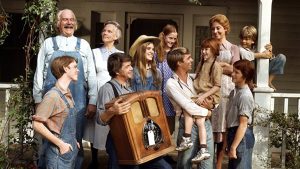
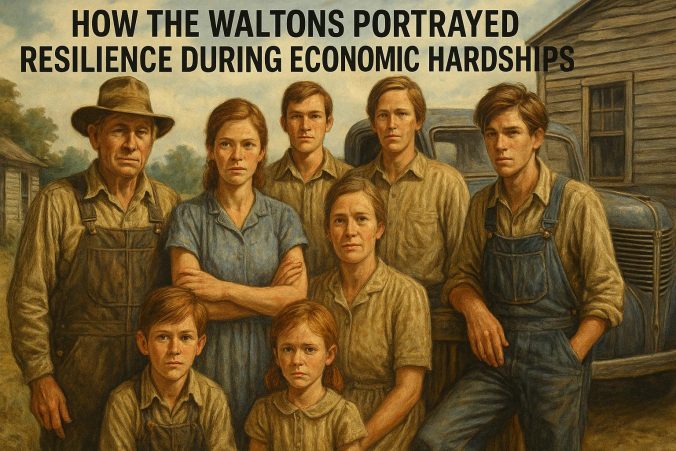
“The Waltons,” a popular American television series, is renowned for its depiction of a family navigating economic hardships during the Great Depression and World War II. Set in rural Virginia, the series follows the Walton family, offering a window into the broader socio-economic challenges of the 1930s and 1940s. This television drama painted an authentic picture of life during these challenging times, allowing viewers to understand the complexities and struggles of families that lived through one of the most difficult periods in American history.
Adaptation and Resourcefulness
The Walton family’s ability to adapt and remain resourceful underlines their resilience. Faced with limited financial resources, they employed strategies such as bartering goods and services with neighbors. This was a common practice during the Great Depression when cash was scarce, and people had to rely on what they could produce or do to get by. In “The Waltons,” these exchanges often took the form of trading homegrown produce or crafted goods for other necessities that the family could not produce themselves. Bartering not only supported their subsistence but also maintained community bonds, which were a crucial support system during trying times.
In addition to bartering, the family was adept at making the most of what they had. From planting and nurturing their own food sources to mending and repurposing clothing and household items, their lifestyle exemplified frugality. This approach to life can also be seen as an early form of sustainability, where every resource was used to its fullest potential, and waste was minimized.
The Importance of Family and Community
An essential element of the Waltons’ resilience was their strong family ties and sense of community. The show depicted how these relationships provided emotional and practical support that was critical during times of hardship. Family gatherings, whether they were formal meals or casual chats on the porch, served as vital forums for exchanging advice, offering reassurance, and planning for the future. The sense of belonging that these interactions fostered was invaluable in maintaining the sense of normalcy and hope.
Beyond the immediate family, the community played a significant role in the Waltons’ lives. Through communal gatherings and shared labor, the characters exemplified how collaboration could alleviate individual burdens, promoting collective survival. It was not uncommon for neighbors to come together for barn raisings or collective farming efforts, where what was reaped was shared. Such community efforts underscored the saying “many hands make light work,” allowing individuals to contribute to and benefit from the community’s success.
Work Ethic and Perseverance
A strong work ethic and perseverance were central themes within the series. The Waltons displayed a tireless commitment to their farm and other livelihood endeavors, highlighting how determination played a vital role in overcoming economic adversity. Every family member had a role to play—whether it was milking the cows, tending the garden, or keeping up with household chores—and each task was approached with diligence and care.
These characteristics are emphasized throughout the series as the family engages in honest labor to fulfill basic needs. The perseverance of the Walton family was not only about physical labor but also about maintaining a positive outlook and pushing through despite setbacks. This attitude reflected a common American ethos of the time, where hard work was seen as the primary means to a better life, irrespective of the immediate challenges.
The Role of Education and Hope
Education was portrayed as a beacon of hope and a pathway to a better future. John-Boy Walton, the eldest son, represented the aspiration for educational advancement. His ambitions were supported by his family despite financial strains. The emphasis on education in the series underscores its perceived role in breaking cycles of poverty and providing a means to improve one’s circumstances.
John-Boy’s dream of becoming a writer and attending college was emblematic of the aspirations many held during this era, viewing education as a springboard to different opportunities and a break from the manual, labor-intensive lives their parents led. The sacrifices made by the family to support John-Boy—whether it was Eli’s rigorous savings to afford books or Olivia’s home-tutoring efforts—highlight how deeply valued education was as an investment in a brighter future.
The Broader Impact of Depicting Resilience
“The Waltons” serves not just as entertainment but as a cultural reflection of resilience during economic hardship. By presenting the challenges and triumphs of the Walton family, the series illustrates the potential for human spirit and ingenuity to overcome difficulties. These narratives resonate with audiences, offering lessons on how to tackle adversity with perseverance and community support.
The show’s impact extends beyond its narrative. The portrayal of the Walton family’s resilience serves as a reminder of the strength found in togetherness and the power of a community united by shared struggles and goals. Additionally, it paints a historical picture of an America that many generations have moved far from—an analog world where time slowed during stormy winters and advanced at the rhythm of harvests and nature’s cycles.
Furthermore, “The Waltons” remains a valuable cultural artifact, providing insight into the American experience during tough economic periods. It captures the essence of human endurance and adaptability, making it a timeless portrayal of resilience. Its setting, characters, and the relatable challenges they face make it a lens through which contemporary audiences can gain understanding and appreciation for the determination that shaped generations past.
For more detailed explorations, various resources offer information on the series, its context, and its impact. Through both its storytelling and the way it was received by audiences, “The Waltons” acts as a bridge connecting past and present, inviting reflections on how far society has come, and how certain enduring values continue to persist.