The Role of Religion and Church in the Walton Family
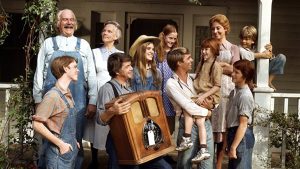
For generations, the Walton family has been depicted as a quintessential representation of American family life. One of the key aspects of their lifestyle is the integration of religion and church into their daily routines. This involvement with the church serves as a cornerstone around which much of their life is organized, offering them guidance, community, and moral support.
Cultural and Familial Tradition
Religion often serves as a cultural anchor that transcends generations within families. For the Waltons, their religious beliefs and church participation are not only personal expressions of faith but also traditional practices handed down through the family line. This continuity reinforces the bonds within the family, encouraging a sense of stability and shared values.
These traditions are more than just rituals; they are living legacies that embody the family’s history and identity. The ongoing practice of these traditions fosters an environment where members—especially the younger ones—grow up with a rich understanding of their roots. This awareness provides them with a strong sense of identity and a feeling of belonging, critical for emotional and psychological well-being. As members participate in religious practices, they also contribute to the preservation and evolution of the family’s cultural identity.
Weekly Church Attendance
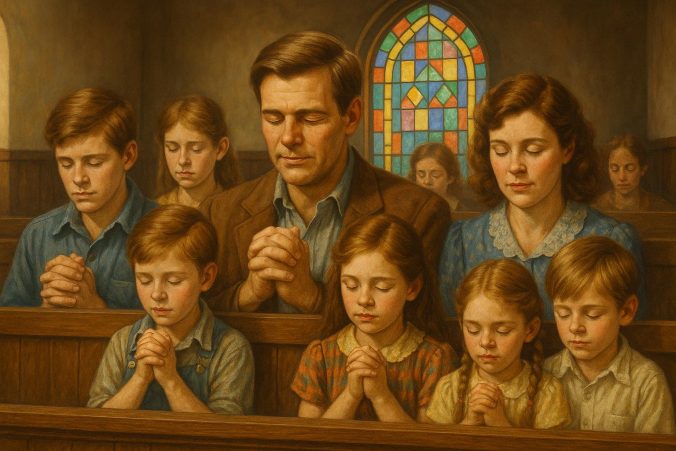
Church attendance forms a regular part of the Walton family schedule. Their commitment to attending church services is indicative of the role it plays in their lives. It is not merely an obligation but a valued part of their routine that provides them a space for reflection, renewal, and community engagement.
By attending weekly services, the Waltons partake in a ritual that offers respite from their daily challenges. It serves as a moment for introspection and renewal of spiritual commitments. Additionally, the consistent nature of church attendance helps create a rhythm in the family’s life, providing a comforting structure. This regular engagement allows the family to remain grounded in their values while connecting with communal teachings that reinforce their beliefs.
Community Engagement
In small communities, such as those where the Walton family is rooted, the church often serves as a community hub. Participation in church activities allows the Waltons to interact with neighbors, exchange support, and stay informed about local events. This engagement fosters a strong social network, providing both practical assistance and emotional support.
The interactions that occur within the church setting extend beyond simply knowing neighbors; they evolve into relationships built on mutual support and shared experiences. Church involvement often means participating in events such as charity drives, community suppers, and holiday celebrations, all of which enhance social bonds. In essence, the church becomes an extension of the family, nurturing the social fabric of the community and offering a sense of collective identity and purpose.
Moral and Ethical Framework
Religious teachings and the ethos of the church help to shape the moral and ethical framework within which the Walton family operates. The values emphasized during services—such as compassion, honesty, and integrity—are often reflected in the family’s behavior and decision-making processes. This framework serves as a guide for both individual members and the family as a whole.
This moral compass not only influences everyday choices but also helps navigate more complex challenges and moral dilemmas. The values learned at church become central to personal and familial interactions, forming a basis for trust and mutual respect. Such a framework ensures that decisions are made with consideration for ethical standards that have been esteemed through generations. The teachings are not merely theoretical; they are practical guides that shape interactions and reinforce the family’s collective integrity and moral standing within their community.
Educational Influence
Religious education plays a significant role in the upbringing of children within the Walton family. Attending Sunday school and participating in religious events contribute to their overall education, offering lessons that are both spiritual and moral. This education aims to cultivate a well-rounded understanding of the world and imbues the younger members with principles that they carry into adulthood.
Religious teachings complement standard educational curricula by instilling virtues such as empathy, responsibility, and respect for others. These lessons are often intertwined with stories and parables that make complex moral concepts more relatable and understandable for children. Moreover, religious education encourages questioning, curiosity, and the development of a personal code of ethics, thus supporting the academic and personal growth of the family’s younger members as they mature into insightful and considerate adults.
Family Unity
Gathering for church services and religious celebrations offers the Walton family valuable opportunities for unity. These gatherings support family cohesion by allowing individual members to reconnect, share experiences, and uphold familial traditions. The shared expression of faith often acts as a binding agent, reinforcing the family unit.
These occasions offer a platform for intergenerational exchange, where wisdom and experiences are passed along, enhancing familial bonds and collective memory. In celebrating together, the family reaffirms their solidarity and cherishes the shared moments that contribute to their lasting connection. The rituals observed within these gatherings enhance the sense of continuity within the family, rendering shared history and belief a palpable and cherished reality.
Further Reading
For more information on family life and religious traditions in historical contexts, resources are available through local libraries and cultural heritage organizations. These can provide additional insights into the significance of religion and community in shaping family dynamics.